Poland to Withdraw from Landmine Ban Treaty, Signaling Major Defense Shift.


Poland's Departure from the Ottawa Treaty
According to TSN.ua: Poland has announced its withdrawal from the Ottawa Convention, which will take effect on February 20, 2024. This move, following a six-month denunciation period as required by international norms, will permit the country to mass-produce and stockpile anti-personnel landmines to bolster its defensive capabilities. This decision marks a significant shift in Poland's defense posture and its interpretation of contemporary security needs.
Poland's action follows a regional trend. Last year, the three Baltic states—Estonia, Latvia, and Lithuania—also withdrew from the treaty, and Finland joined them in exiting the convention earlier this year. These collective moves indicate a broader reassessment of military strategy in Northern and Eastern Europe, widely seen as a response to heightened regional security threats following Russia's invasion of Ukraine.
Poland's Military Expansion Plans
In addition to the treaty withdrawal, Poland plans to establish a high-readiness reserve force of up to 500,000 troops by 2026. This demonstrates the country's intent to significantly strengthen its army amid Europe's unstable security environment. Experts, including Joanna Kluzik-Rostkowska, argue that the use of anti-personnel mines could substantially impact the course of military conflicts.
'At the start of the invasion, Ukrainians used nearly three million anti-personnel mines on the border, which significantly delayed the Russian advance.' Joanna Kluzik-Rostkowska
Consequently, Poland's decision to leave the Ottawa Convention and its plans for military expansion point to profound changes in the nation's defense policy, with potential wide-ranging consequences for regional security. These actions, alongside similar steps by neighboring states, underscore growing security anxieties in Eastern Europe. This evolving situation may introduce new challenges for diplomatic relations within the region and across the continent, requiring close observation to understand its full strategic impact.
Read also
- Leadership Style Will Stay the Same Even if Budanov Replaces Yermak, Says Rybachuk
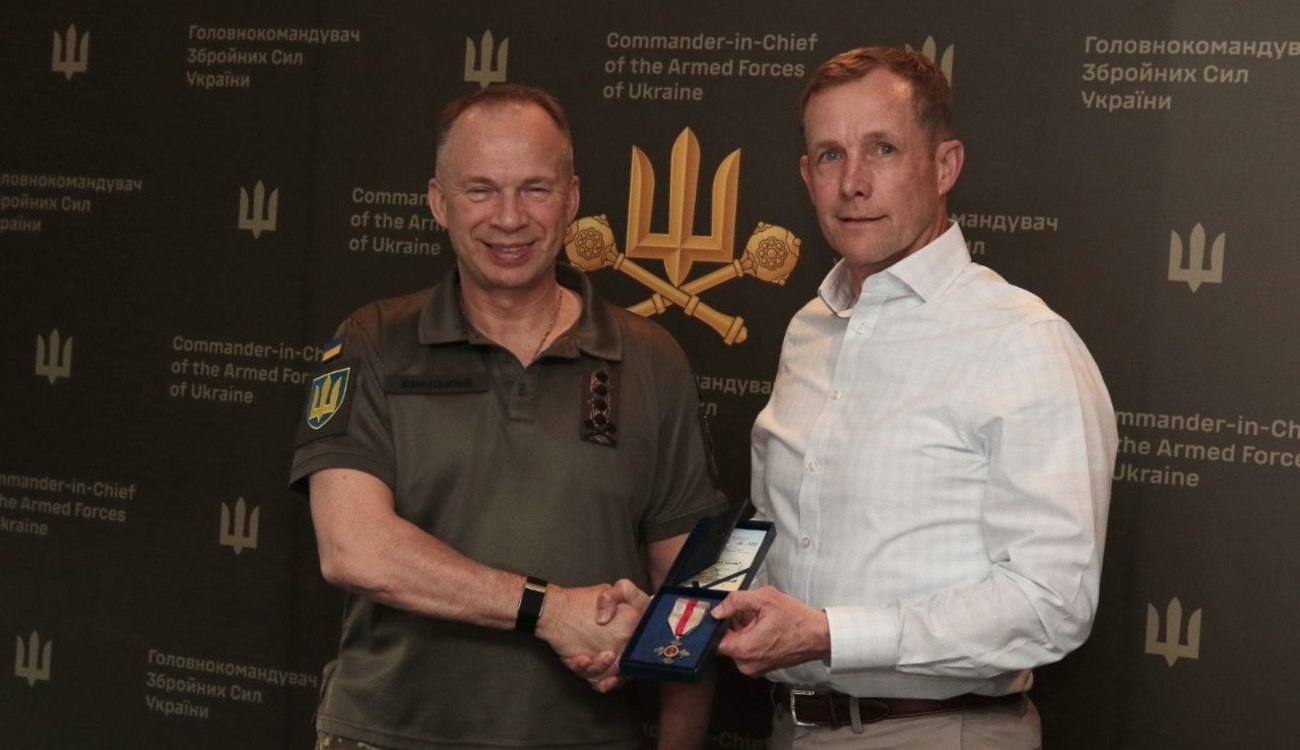
- Ukraine’s Top Commander and NATO General Discuss Air Defense Boost; New 2030 Missile Force Plan Approved
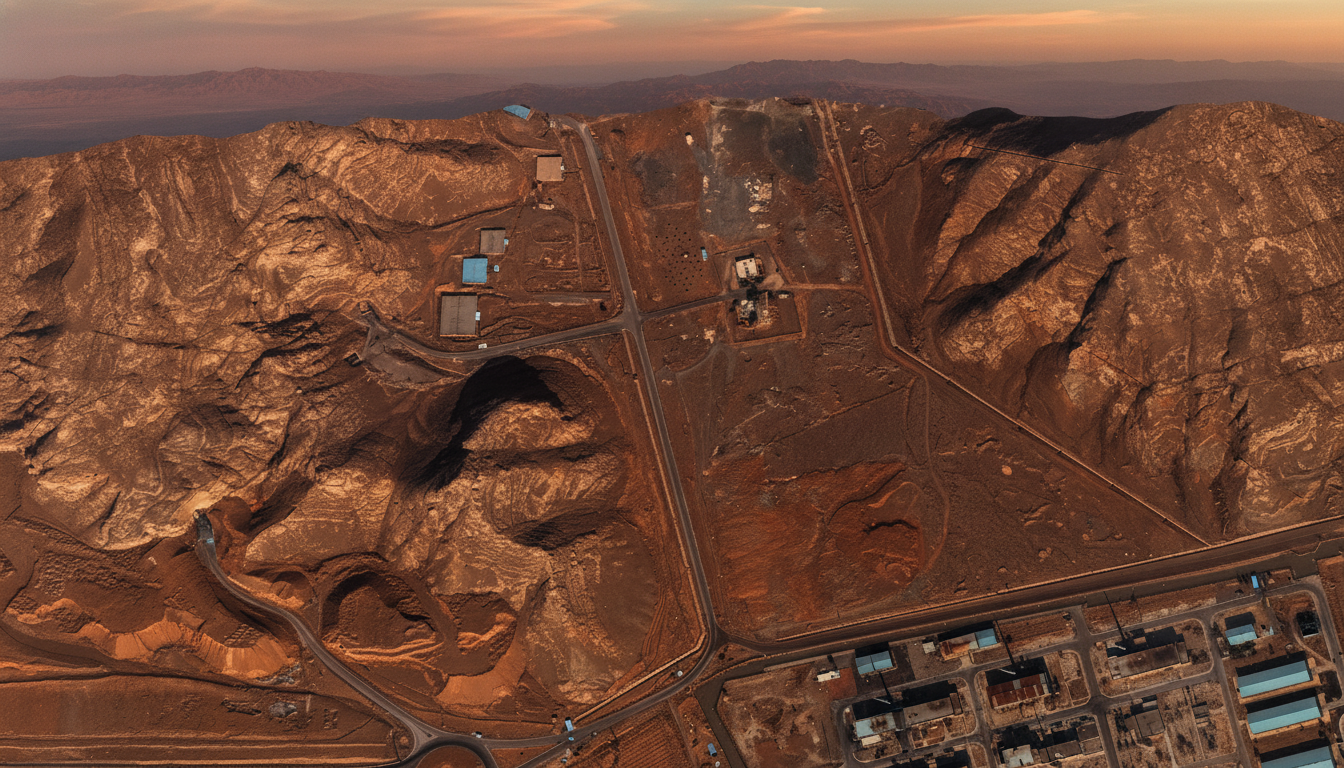
- Explosives Booby-Trap Iran’s Uranium Stockpiles, Complicating Any US Intervention
- Putin Admits Frontline Struggles and Issues ‘Oreshnik’ Threat: New Dangers for Ukraine
- A VPN Surge in Russia: 9.2 Million Downloads in a Single Month Amid Intensified Censorship
- Former Spanish Prime Minister Under Smuggling Investigation After €1.3 Million in Jewelry Found in His Office