Expert Reveals Mistake in Caring for Houseplants: How to Properly Fertilize Them.

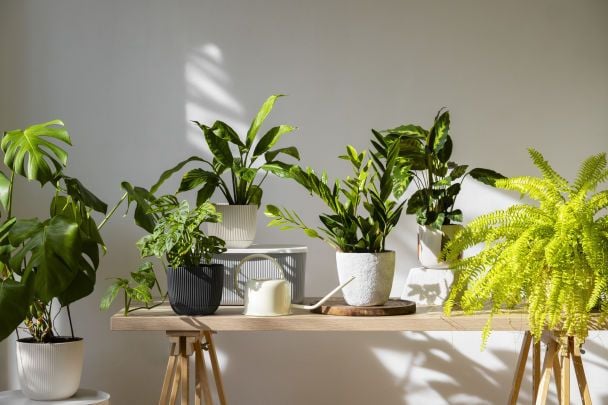
According to ТСН: Houseplants require fertilization, as without it they quickly lose their beauty and strength. Unlike those growing in open soil, potted plants do not have constant access to nutrients, leading to depletion of their reserves. Therefore, fertilizers are necessary.
Plant care specialist Patrick Gillman explains: unlike plants in open ground, home companions in pots rely solely on the nutrients they receive from their owner. Without regular support, their growth slows down, and their appearance deteriorates.
Which Fertilizer to Choose
Gillman notes that the most common mistake is using the wrong or excessive fertilizer, which can harm plants more than the lack of it. The expert recommends using water-soluble organic fertilizers, such as fish emulsions, which act more gently and provide longer-lasting nutrition than chemical alternatives.
How to Properly Apply Fertilizer
Before applying, the fertilizer must be diluted in water. The optimal ratio is ¼ to ½ teaspoon per gallon of water. Gillman advises slightly increasing the water volume than indicated in the instructions to avoid the risk of root damage.
Another helpful tip is to water the plant with plain water first. This allows the soil to evenly absorb the fertilizer and reduces the risk of burns. If you are using fish emulsion and are concerned about its smell, it dissipates within a day or two. It is also important to encourage drainage under the pot to remove excess liquid.
Fertilizing houseplants should be done from late March to mid-September, approximately once every two to three weeks. In winter and autumn, fertilization ceases, as plants enter a phase of slowed growth and require fewer nutrients.
In spring, it is necessary to inspect the plants and check if they are crowded in their old pots. If the roots are coming out of the container, it is time to replant the plant in a larger pot. During transplanting, adding a little compost is appropriate.
Plants That Do Not Like Frequent Fertilization
Succulents and cacti are especially sensitive to excess nitrogen. Gillman recommends fertilizing them much less often — about once every six weeks. Quality soil and compost are often more effective than fertilizers in this case.
It should not be forgotten that excessive or untimely watering is one of the main mistakes in plant care.
Proper fertilization of houseplants is an important stage in their care, as it helps maintain their health and beauty. Attention should be paid to the needs of each plant and an optimal fertilization regime should be chosen to provide comfortable conditions for growth. In winter, when plant activity slows down, it is important not to exceed the fertilization norms to avoid harming them.
Read also
- Hairstyles That Wreck Fine Hair: Top Mistakes to Avoid
- Fight Dust with Liquid Glycerin: A Simple Pharmacy Find That Transforms Your Cleaning Routine
- Kyiv Region Braces for a Warm June 11: Temperatures Set to Reach +28°C
- A Simple Zucchini and Eggplant Stew Recipe from 'Tasty Bites'
- A Festive Drink Made from Tea Rose Petals: An Easy Recipe for Your Holiday Table
- A Surprising Twist on Crab Stick Salad: One Unlikely Ingredient Transforms the Flavor