Blueberry Planting Pitfalls: The Worst Companions for Your Bushes.

Choosing the Right Neighbors for Blueberries
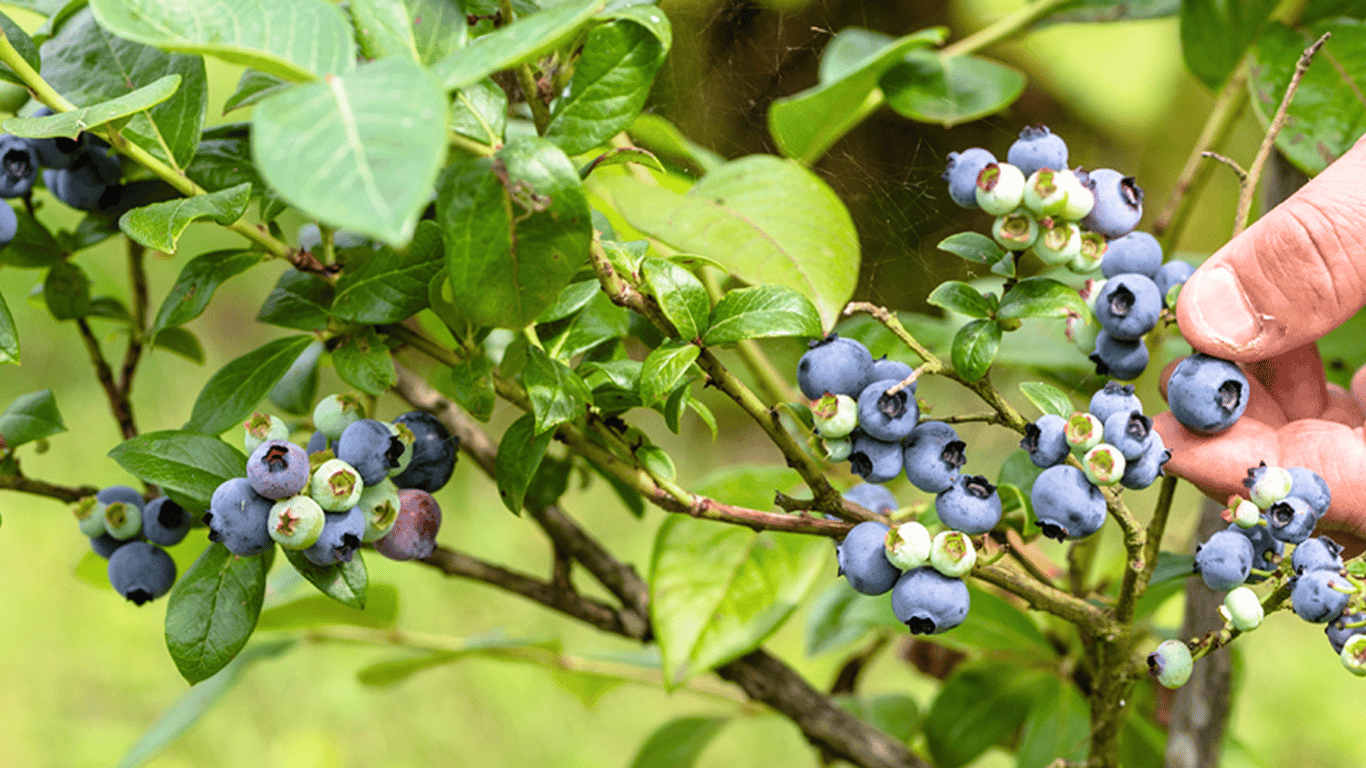
According to Novyny.live: Blueberries, which thrive exclusively in acidic soil with a pH of 3.5 to 5, require careful consideration when selecting companion plants. The wrong pairings can lead to stunted growth, disease, and even a complete loss of fruit production. Understanding which plants have a detrimental effect on blueberries is therefore essential for any gardener.
Plants to Avoid Planting Near Blueberries
Several plant groups are particularly unsuitable as neighbors for blueberry bushes:
- Fruit trees: apple, pear, plum
- Nut trees and hazelnuts
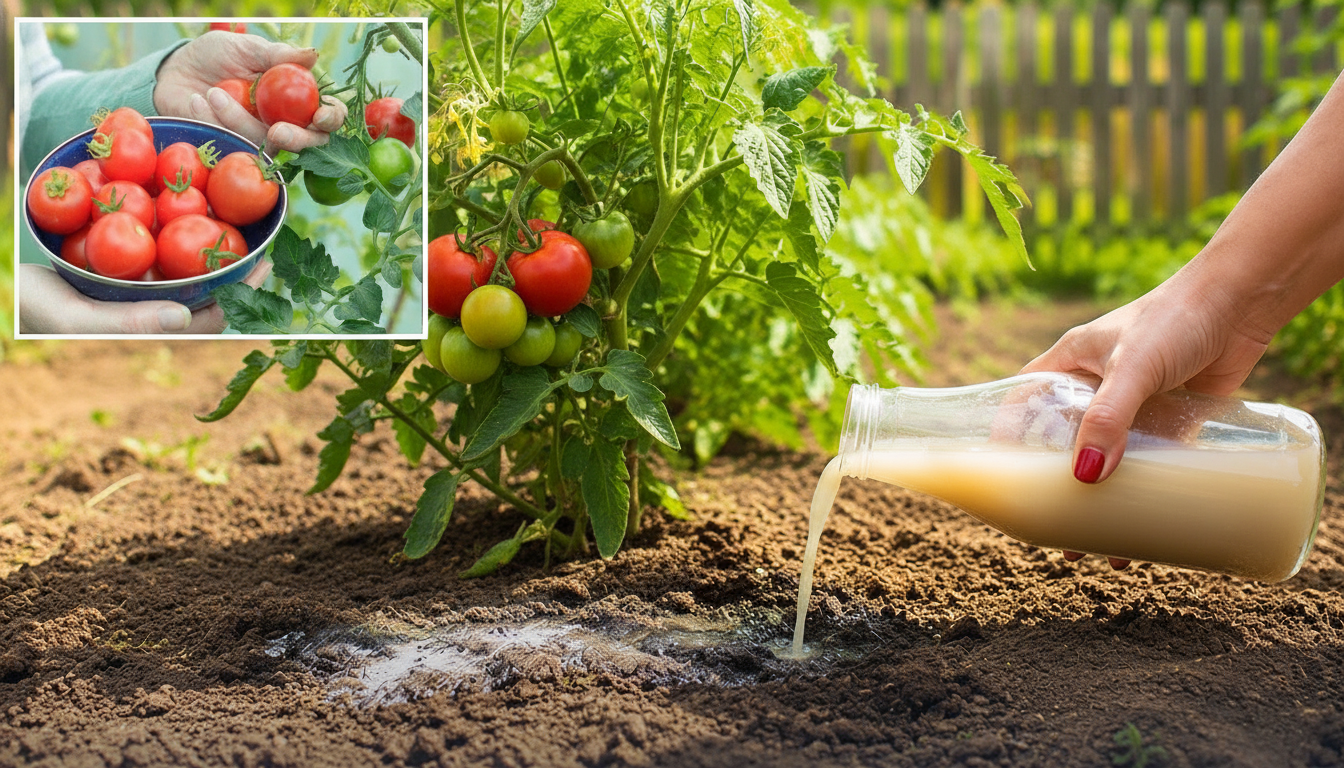
- Tomatoes and potatoes
These plants compete aggressively for the moisture blueberries need, cast excessive shade, and can encourage fungal diseases, all of which compromise the health of the blueberry bushes.
Additionally, it's important to note that:
- Cabbage, cucumbers, and squash require alkaline soil conditions
- Raspberries and blackberries have invasive root systems
- Wormwood, horseradish, and sunflowers deplete soil nutrients
- Certain flowering shrubs, like marigolds and calendula, may lower soil acidity
Fortunately, there are plants that make excellent companions for blueberries. These include lingonberries, cranberries, rhododendrons, azaleas, and conifers. These acid-loving plants create a favorable microclimate and soil environment for blueberries to flourish. For gardeners in North America and Europe, where blueberries are a popular crop, strategic companion planting is key to a healthy and productive harvest.
When selecting plants to grow alongside blueberries, gardeners must consider not just compatibility, but also the specific soil and growing condition requirements of each species.
Knowledge of which crops negatively impact blueberries can significantly boost cultivation success, an important consideration for both commercial growers and home gardeners. Proper garden planning ensures not only robust blueberry growth but also a higher yield, which in turn positively affects the economic viability of growing this popular berry.
Read also
- Blago Becomes Lead Partner of Lviv Fashion Week: What This Means for Ukrainian Designers
- From Johnson’s Memoir to the War of Tomorrow: 5 Must-Read Books Coming in 2026
- Forecaster Didenko Issues Weather Update for July 15: Where Rain Is Expected
- How to Choose a School Backpack: Key Factors for Your Child's Health and Comfort
- A Simple Recipe for Tomato Fertilizer Made from Yeast and Banana Peels
- Custom Door Signs Over Stock Options: How Office and Residential Navigation Is Evolving