Second Harvest in July 2026: Which Crops to Plant for a Fall Yield.

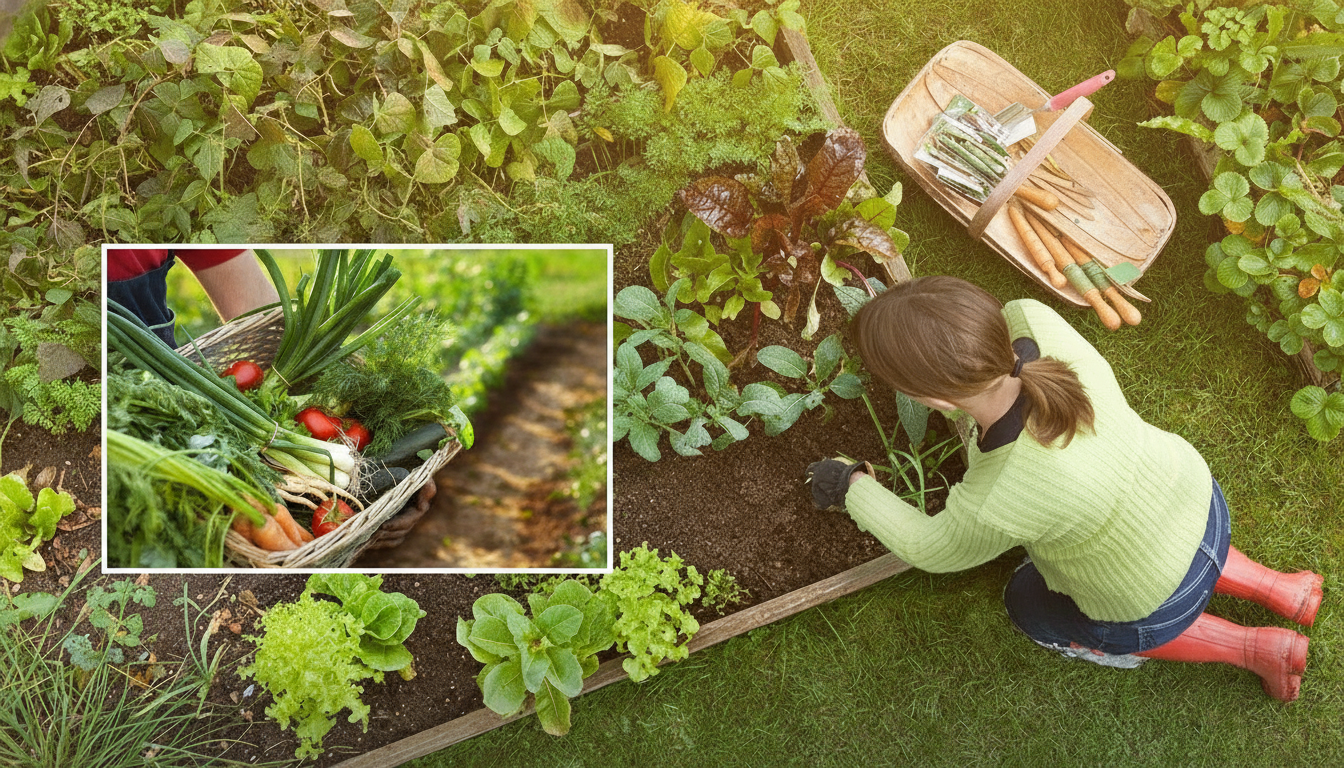
Replanting Guide for July 2026
According to Novyny.live: For gardeners aiming to maximize their plot's output, July 2026 offers a prime window for sowing a second round of crops after the first harvest. This strategy is especially relevant for those looking to extend the growing season and make the most of limited space. Success hinges on proper soil preparation and smart crop selection.
Once the initial harvest is cleared, prepare the beds by loosening the soil to a depth of 15–20 cm. This step improves aeration and water penetration for the new plants' root systems. As a general rule, applying one bucket of organic matter per square meter supports healthy growth for most crops.
Choosing Crops for Successive Sowing
Among the greens suitable for July 2026 planting are:
- dill
- garden cress
- leaf lettuce
- spinach
- arugula
- parsley
- leek
Dill can be sown nearly until the end of summer, with new plantings every two to three weeks. Garden cress matures quickly in just 10–14 days, while leaf lettuce is ready for harvest in about a month. Spinach sprouts within a week, and arugula thrives during the latter half of summer. Parsley and leek also provide fresh greens by late summer.
For vegetables, radishes can be sown every two weeks, yielding fresh roots throughout the summer. Daikon radish, on the other hand, stores well into spring, making it an attractive option for a second sowing. Legumes that mature by autumn can also be included in your replanting plan.
By selecting the right crops and following proper sowing techniques in July 2026, gardeners can significantly boost their yields and enjoy fresh, nutritious produce through summer and into fall. These tips help plan for a generous second harvest, aligning actions with expert recommendations.
The July replanting window is critical for optimizing productivity, allowing gardeners not only to secure extra harvests but also to extend the season for fresh food.
Source: Neznayomets
With shifting climate patterns and rising demand for organic produce, this practice is becoming increasingly important for food security and healthy living. Gardeners who follow these guidelines can improve their operations and make the most of limited resources.
Read also
- From Johnson’s Memoir to the War of Tomorrow: 5 Must-Read Books Coming in 2026
- Forecaster Didenko Issues Weather Update for July 15: Where Rain Is Expected
- How to Choose a School Backpack: Key Factors for Your Child's Health and Comfort
- A Simple Recipe for Tomato Fertilizer Made from Yeast and Banana Peels
- Custom Door Signs Over Stock Options: How Office and Residential Navigation Is Evolving
- Best Haircuts for Thick Hair: Styles That Enhance Your Natural Beauty