How to Plant Potatoes for a Faster, Bigger Harvest: Soil, Depth, and Key Techniques.

How to Plant Potatoes for a Faster, Bigger Harvest: Soil, Depth, and Key Techniques
According to Novyny.live: To cultivate a successful potato crop, careful attention must be paid to preparing the seed tubers, planting depth, soil type, and methods that accelerate growth. Following these guidelines can lead to a significantly improved yield.
Optimal Planting Depth and Soil Preparation
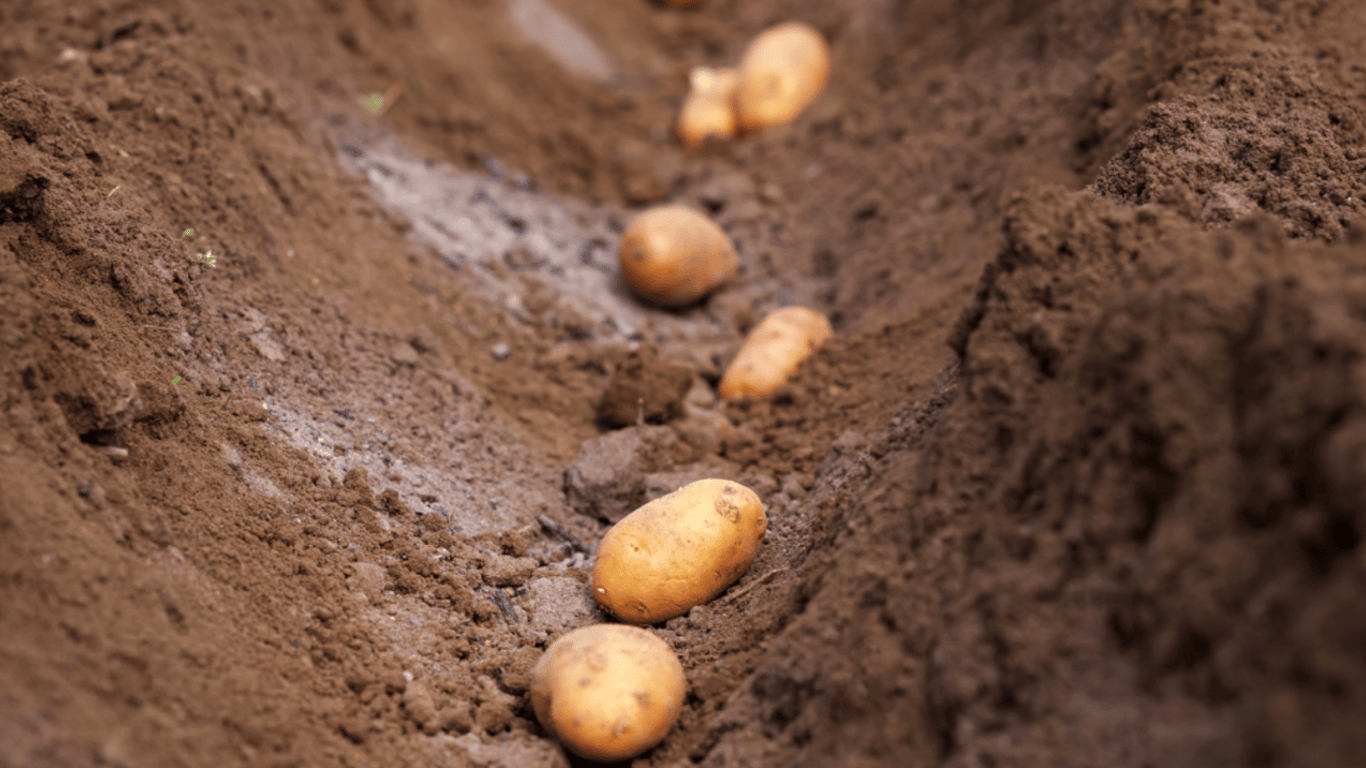
The correct planting depth for potatoes varies with soil type. In heavy clay soils, tubers should be planted about 5 cm deep. For lighter, sandy soils, they can be placed as deep as 8 cm. In waterlogged areas, a specific technique is recommended: place the tubers on loosened soil and cover them with a 5-7 cm layer of peat mixed with ash. This method helps regulate moisture and improves soil aeration.
When filling the planting hole, it is crucial to add the following amendments:
- 100 grams of well-rotted manure,
- 150 grams of wood ash,
- and compost.
Additionally, applying a diluted chicken manure solution in a 1:10 ratio, using no more than 1 liter per hole, is advised. These additives provide essential nutrients to the plants and promote vigorous growth.
Techniques to Speed Up Growth
Covering the planting bed with black plastic sheeting is an effective way to accelerate potato growth. This technique warms the soil more quickly, which positively impacts root system development and the overall health of the plants. By adhering to these recommendations, gardeners can achieve a more abundant potato harvest and improve the quality of their produce.
Potato cultivation is a cornerstone of agriculture in Ukraine, forming a staple part of the national diet. For gardeners in many regions, mastering these techniques can lead to more reliable homegrown food. Systematic adherence to these agronomic practices can not only boost yields but also ensure more stable production, which is particularly valuable in the face of variable climate conditions and economic challenges. This knowledge of proper cultivation techniques is beneficial for both large-scale farms and private gardeners alike.
Read also
- Blago Becomes Lead Partner of Lviv Fashion Week: What This Means for Ukrainian Designers
- From Johnson’s Memoir to the War of Tomorrow: 5 Must-Read Books Coming in 2026
- Forecaster Didenko Issues Weather Update for July 15: Where Rain Is Expected
- How to Choose a School Backpack: Key Factors for Your Child's Health and Comfort
- A Simple Recipe for Tomato Fertilizer Made from Yeast and Banana Peels
- Custom Door Signs Over Stock Options: How Office and Residential Navigation Is Evolving