Summer Apricot Care Made Simple: Pruning, Feeding, and Watering Tips.

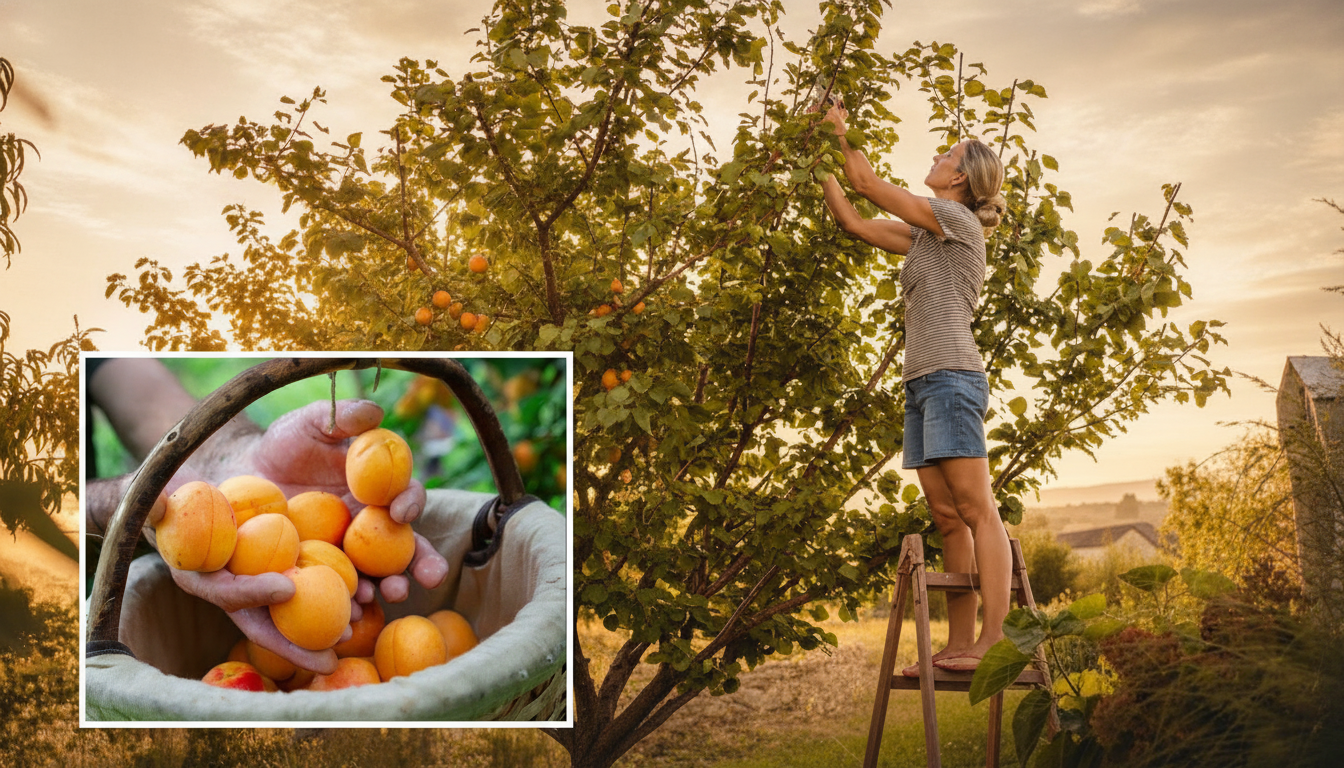
Caring for Apricot Trees in July and August
According to Novyny.live: July and August offer the perfect window for tending to apricot trees, a crucial phase for promoting healthy growth and securing a bountiful harvest. During these months, gardeners must focus on several essential tasks, including:
- summer pruning
- fertilization
- pest and disease control
- proper irrigation
Summer pruning is the first key step. It helps shape the tree canopy, improves light penetration to all branches, and enhances air circulation—reducing the risk of disease. This procedure is typically carried out in mid-summer when the trees are in an active growth phase.
Once fruiting concludes in 2026, it is advisable to fertilize the apricot trees. Applying organic or mineral fertilizers can replenish the plants' energy reserves and prepare them for the next growing season. Proper feeding plays a major role in determining both the quality and quantity of future yields.
Protecting apricot trees from pests and diseases is equally critical. Gardeners should inspect their trees regularly for any signs of infestation or infection, allowing for timely intervention. Using preventive treatments like insecticides or fungicides can significantly reduce the likelihood of crop loss.
Watering is another vital component of apricot care. Young saplings require about 20 to 30 liters of water per session, while mature trees need between 50 and 100 liters. Consistent and appropriate watering helps maintain soil moisture and supplies the trees with essential nutrients for growth.
By following these straightforward summer care strategies, gardeners can greatly improve the health of their apricot trees and set the stage for a plentiful harvest in the seasons ahead.
Why This Care Matters
Effective summer management of apricot trees is not just about boosting yields—it is also fundamental to the trees' overall well-being. Timely pruning, fertilization, and disease prevention can significantly enhance fruit quality and help trees withstand environmental stress.
With shifting climate patterns and increasing pest pressures, these practices have become even more important for growers aiming to achieve consistent, healthy harvests.
Read also
- From Johnson’s Memoir to the War of Tomorrow: 5 Must-Read Books Coming in 2026
- Forecaster Didenko Issues Weather Update for July 15: Where Rain Is Expected
- How to Choose a School Backpack: Key Factors for Your Child's Health and Comfort
- A Simple Recipe for Tomato Fertilizer Made from Yeast and Banana Peels
- Custom Door Signs Over Stock Options: How Office and Residential Navigation Is Evolving
- Best Haircuts for Thick Hair: Styles That Enhance Your Natural Beauty