Why Protest Activity in Russia Varies Dramatically by Region.

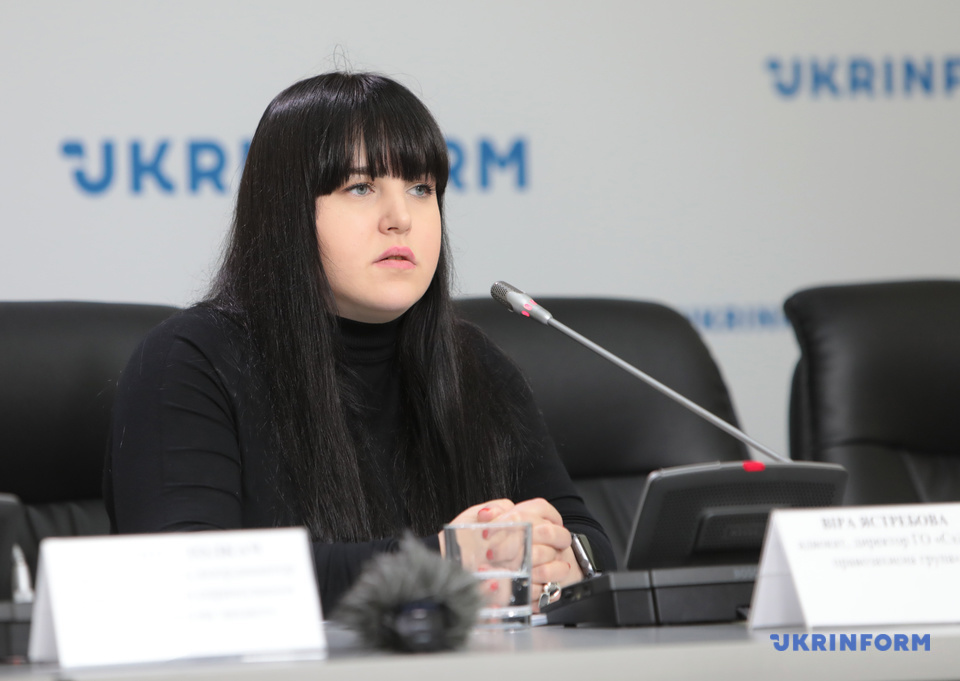
Uneven Spread of Unrest Across Russia
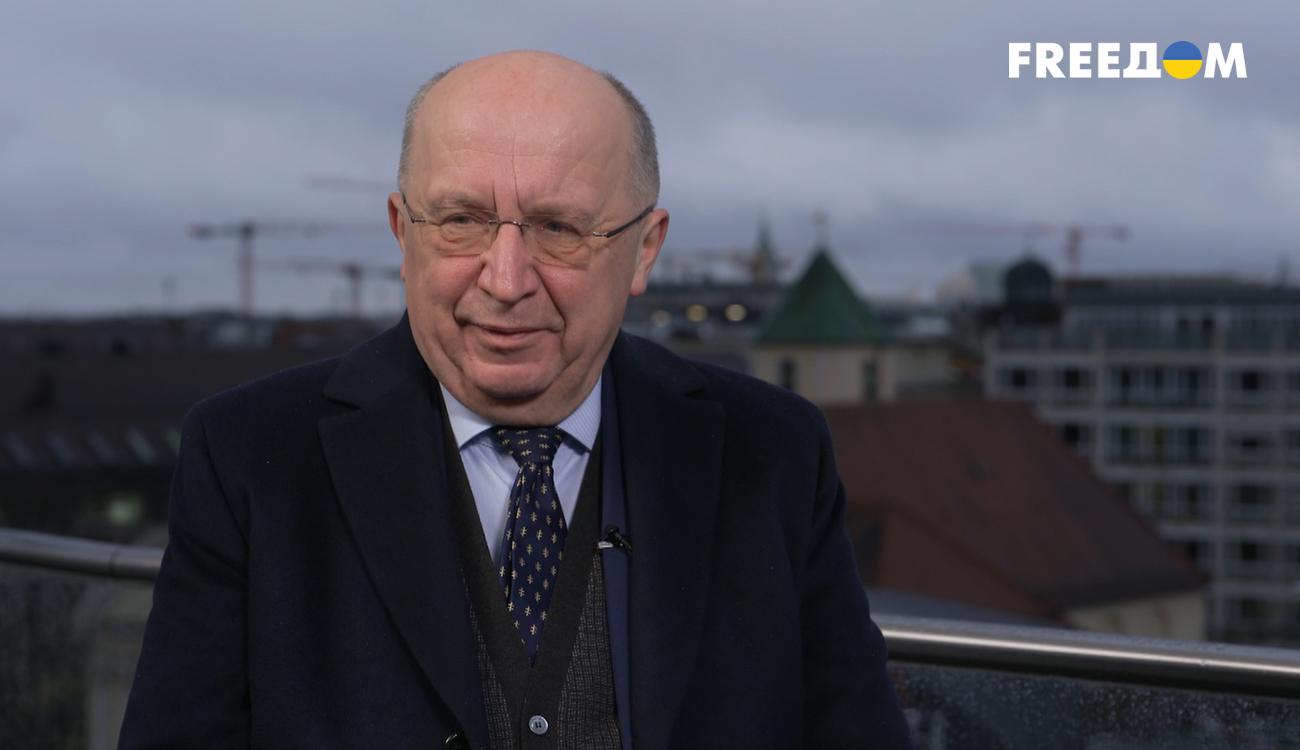
According to UATV: While discontent is rising across Russia, its intensity and expression differ sharply from one region to another. Vera Yastrebova, Director of the Eastern Human Rights Group, explains that for protests to materialize, people must first connect their declining quality of life directly to government actions. She notes that conditions vary so widely across the country that this crucial link is not made uniformly, affecting the potential for organized dissent.
Yastrebova, who holds a PhD in Political Science, emphasizes that Russia contains diverse societal models of survival and loyalty. This means residents of some regions may be more inclined to protest, while others remain passive due to distinct local socio-economic circumstances. She believes the primary long-term threats to the Russian state stem from demographic shifts and religious dynamics, which could ultimately challenge regime stability.
'The situation across the territory of the Russian Federation as a whole is very, very diverse,' Yastrebova states.
In her view, the specific grievances that could spark protests depend heavily on local conditions and context. She is also convinced that 'the collapse of the Putin regime lies precisely in this.' This suggests that protest sentiment may reflect deeper social and political fractures requiring careful analysis. Understanding Russia's vast regional disparities is key to interpreting its domestic politics.
Factors Shaping Discontent
Consequently, protest sentiment in Russia is shaped by a complex mix of factors, leading to its uneven geographic distribution. Identifying these factors is crucial for forecasting the country's political trajectory.
The growth of public discontent points to profound social and economic problems that demand the authorities' attention. The varied public reactions across regions underscore the necessity of considering local specifics when assessing potential unrest. This regional diversity will also be a critical factor for both opposition groups and the government in formulating their future political strategies.
Read also
- New Defense Minister Appointed by Zelensky: Who Is Yevhen Khmara?
- Air Alert Declared in Ankara Over Missile Fired from Georgia: Key Details
- Europe Launches 'Anti-Ballistic Coalition' Freyja: What We Know About the New Initiative
- Zelenskyy Appoints New Defense Minister: Khmara Replaces Fedorov
- What Fedorov’s Dismissal and His Team’s Exit Mean for Ukraine’s Defense Capabilities
- Zelenskyy Nominates Yevhen Khmara as New Defense Minister, Replacing Fedorov