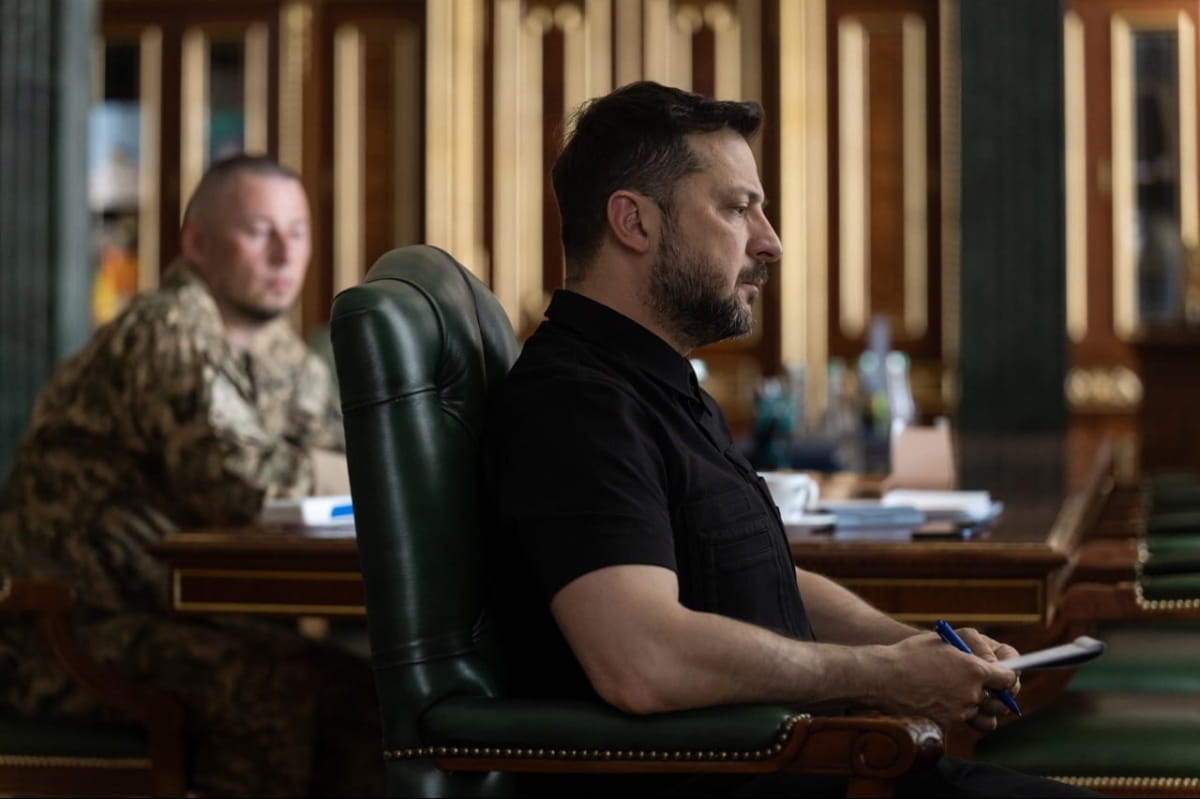
Russia disrupts peace talks: how the Kremlin simulates dialogue to prolong the war.

According to FREEДOM:
Interaction with international leaders
The Kremlin reacted to the words of German Chancellor Friedrich Merz, who expressed the opinion that a meeting between Ukrainian President and Putin, which European leaders and the White House head hoped for, will most likely not take place in the near future. The press secretary of the Russian president, Peskov, stated that perhaps a meeting would take place, but certain preparatory work and document coordination are required. FREEДOM tells in detail how Russia is dragging out negotiations.
Kremlin's tactics
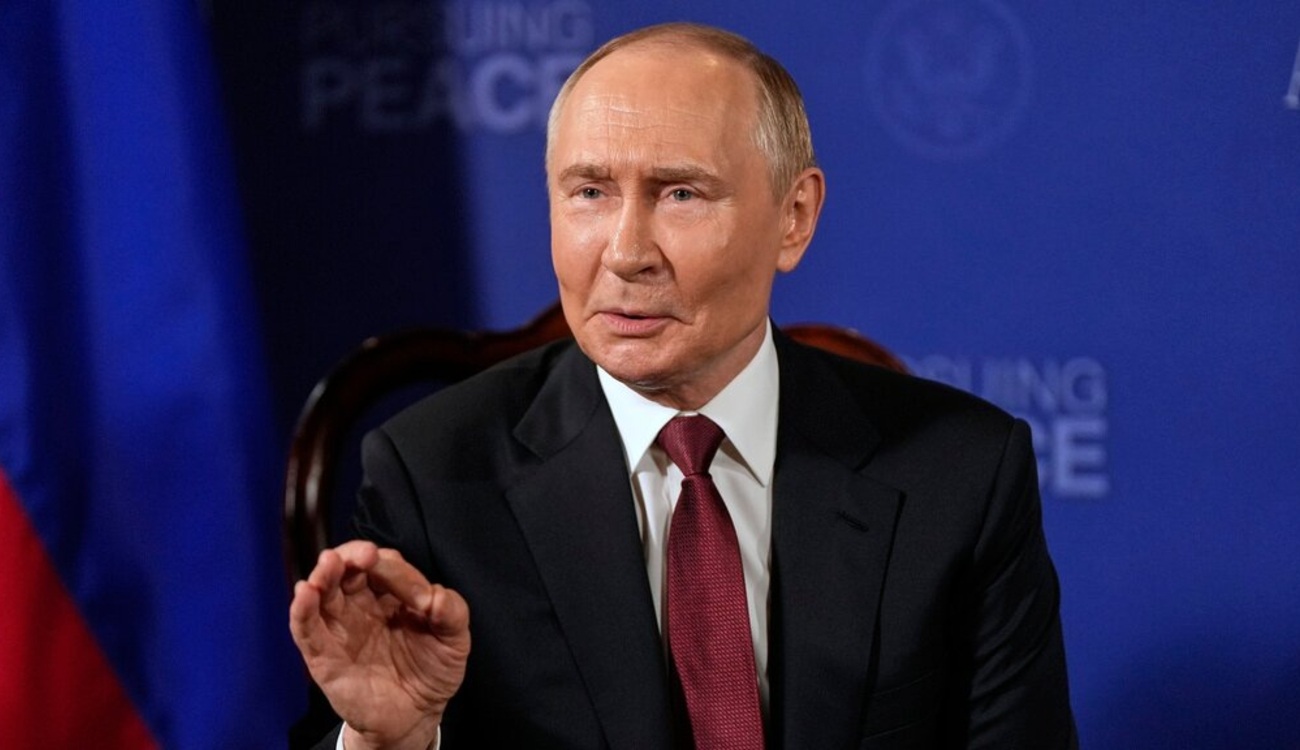
Two weeks after meeting with U.S. President Donald Trump in Alaska, Putin resorted to all available methods to show that he has no intention of fulfilling any agreements. His statements about peace are merely a facade. In reality, he intends to continue destruction.
The prolonged 'peace process', or rather its simulation, has become the main tactic of the Kremlin. Fear and violence are the foundations on which the Putin regime stands. Moreover, war financing allows Russia to support GDP indicators and mask corruption schemes.
Many believe that the Putin regime is afraid of the consequences that may arise in Russia after the end of hostilities. Therefore, the Kremlin will try to mislead U.S. President Trump.
'This is an integral part of the Kremlin's strategy aimed at pulling Trump along, avoiding his wrath, or at least softening it. Moreover, a sharp cessation of war could threaten Putin's regime...'
Problems and negative reactions
While Trump announced a possible meeting between President Zelensky of Ukraine and Putin, the Kremlin erected new barriers to its conduct. Moscow again rejected the proposal for a ceasefire and stated the need for a veto right on any Western security guarantees for Ukraine.
'We have tasks that we can solve only together... Although last week, when European leaders were in Washington, it was reported that such an agreement exists,' said German Chancellor Friedrich Merz.
Shelling of Ukraine and its consequences
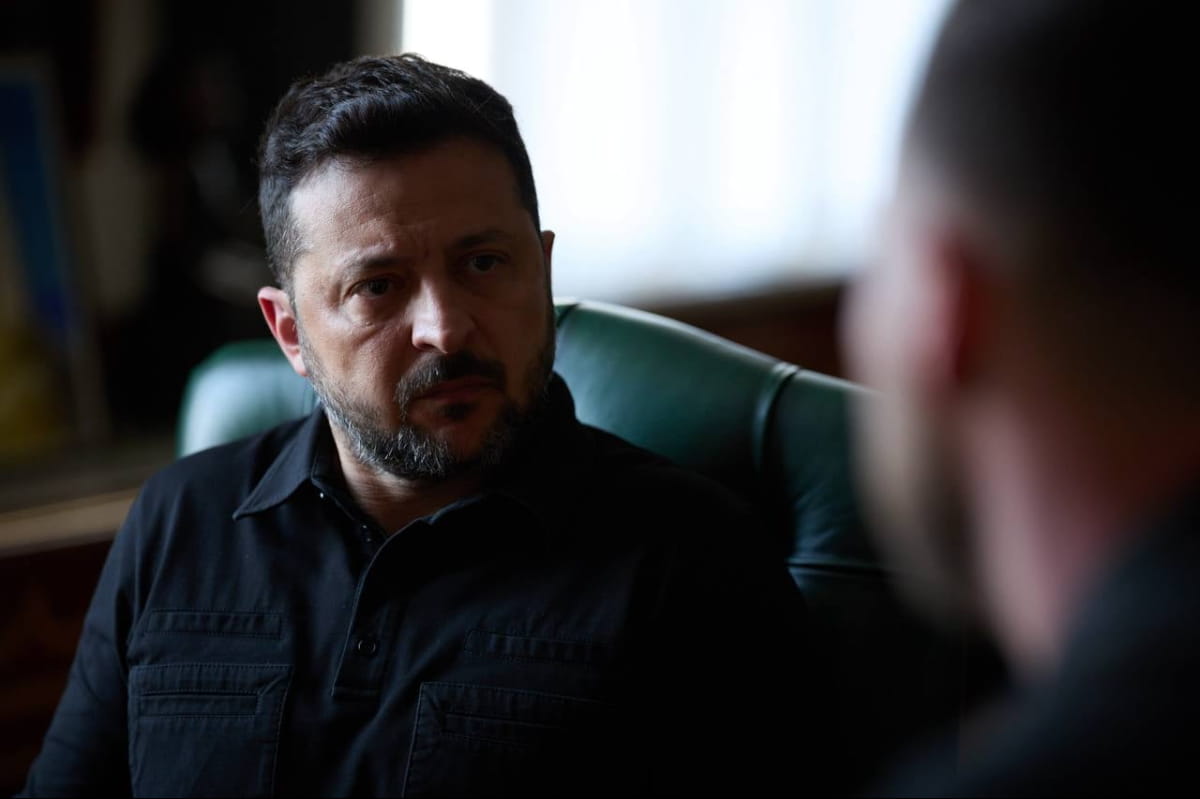
The massive strike on Ukraine on the night of August 28 confirmed once again that Putin's goal is the destruction of Ukraine. 600 drones and 30 missiles that attacked peaceful cities became a serious argument in any negotiations. Ukrainian President Volodymyr Zelensky emphasized that Russia seeks to demonstrate its ability to strike not only at Ukrainians but at all who want peace.
'... Russia hits ordinary homes, ordinary cities — purposefully, in groups of drones, thoughtfully adding missiles — to cause more destruction...'
International reaction
The killing of peaceful people in Europe was called a successful completion of goals by Peskov. Against the backdrop of these events, Russia declares its readiness to continue peace negotiations, but on its own terms. This raises serious concerns at the international level. EU Foreign Affairs Chief Kaja Kallas stated that security guarantees for Ukraine need to be developed.
'At the level of the European Union, our contribution to the issue of security guarantees lies in training and military missions...'
Sanctions and international pressure
The European Union is preparing a new package of sanctions against Russia, focusing on combating the shadow fleet and companies that support the aggressor's economy. The EU hopes for active actions from the U.S.
'I assume that the United States of America will seriously consider the possibility of imposing additional sanctions...'
Conclusion
Any statements from the Kremlin about peace only serve as a cover for dragging out the negotiation process, as they are followed by demands for new working groups and document coordination. The only thing that can affect the aggressor is sanctions and decisive actions.
Read also
- Ukraine Overhauls Military Leadership: New Army Chief and Chief of General Staff Appointed by Zelenskyy
- European Allies Caught Off Guard by Ukraine’s Military Leadership Shake-Up
- Ukraine Ready for 'Peace with Dignity,' Zelenskyy Says: What We Know About the Talks
- U.S. Media Hails Drapatyi’s Appointment: What Ukrainian Troops Are Saying
- Ukraine’s Military Leadership Shake-Up: Drapaty Takes Over Armed Forces, Skybyuk Leads General Staff
- Air Defense and Patriot Missile Production Discussed by Zelensky and U.S. Ambassador to NATO