Preheating the oven is not always necessary: for which dishes it is critical.

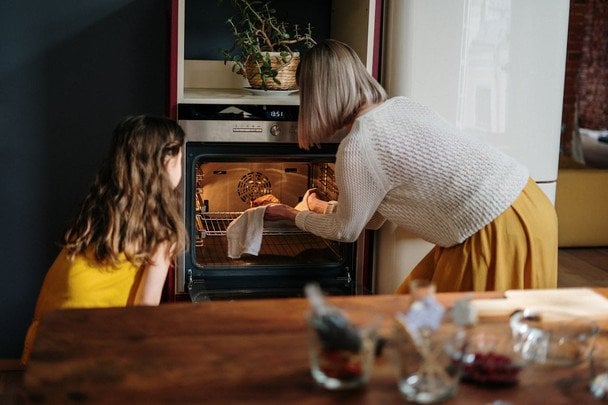
According to ТСН: Anyone who has ever baked has probably come across the traditional beginning of recipes: 'Preheat the oven to...'. Accuracy is indeed important, but in some cases, you can easily do without this step. Whether you need to preheat the oven depends on the type of dish, its size, and the desired texture. In this article, we will explore when preheating is important and when you can save time by skipping this process.
Don't rush to discard preheating the oven for all recipes. Some dishes require a stable high temperature even before the dough or other ingredients go in the oven.
When preheating the oven is mandatory
This is especially true for baked goods with a high fat content:
Butter dough for pies and cookies
Puff pastry and all dishes based on it
Cookies and buns
French pastries (croissants, butter cookies)
Meringue
Fats can melt too early, before the starch thickens and the proteins coagulate. This leads to spreading dough, mis-shaped cookies, or insufficient rise. For butter dough, temperature is especially important: cold butter, when placed in a preheated oven, evaporates moisture that pushes the layers of dough apart and makes it fluffy. If the oven is too cold, the butter will melt before evaporating, and the dough will turn out flat and dry.
Moreover, the oven should be preheated for dishes that require quick rising or crust formation:
Crusty bread, baguettes, ciabatta
Pizza
This is especially important for baguettes and other types of 'lean dough', where the initial heat creates a crispy crust and maintains the internal structure.
When preheating the oven can be skipped
Some dishes, on the other hand, benefit from starting the cooking in a cold oven that heats up slowly:
Cupcakes, quick bread, loaves - the slow temperature rise helps to gently form a crust and gives leavening agents time to rise.
Cheesecakes, custard-based desserts, flourless cakes - they do not rely on a high starting temperature, and even heating ensures even baking. A water bath is often used for better results.
Roast chicken - a slow start in a cold oven allows the skin and fat to gradually brown while the meat remains tender and juicy.
Bacon - large batches on a baking sheet are better started in a cold oven so the fat can slowly render out while the bacon becomes crispy.
Stews and braises - slow heating helps meat and vegetables become tender.
Baked pasta - slow baking allows cheese to melt evenly and the flavors of the layers to meld. After that, the top can be quickly browned to golden.
Potatoes - gradual heating, like boiling in cold water, forms a crispy crust on the outside and a soft, fluffy inside.
The choice of whether to preheat the oven before cooking depends on the dish and the desired result. It is important to consider the type of dough, its ingredients, and the cooking technique. Understanding these nuances can significantly improve the quality of your baking.
Read also
- Egg-Free Kefir Pancakes: A Simple Recipe with a Dough Secret
- White Acacia Kvass: A Step-by-Step Guide from Klopotenko
- A 30-Minute No-Bake Lemon Dessert: Easy Recipe with Everyday Ingredients
- Easy Pickled Tomatoes for Winter: The Perfect Brine Recipe Using 1 Liter of Water
- A 15-Minute Dinner That Feels Like a Feast: Carbonara-Style Potatoes with Bacon and Cream Sauce
- A Quick 5-Minute Homemade Gravy: Simple Ingredients, Big Flavor