How to Fix Leggy Seedlings Without Using Grow Lights.

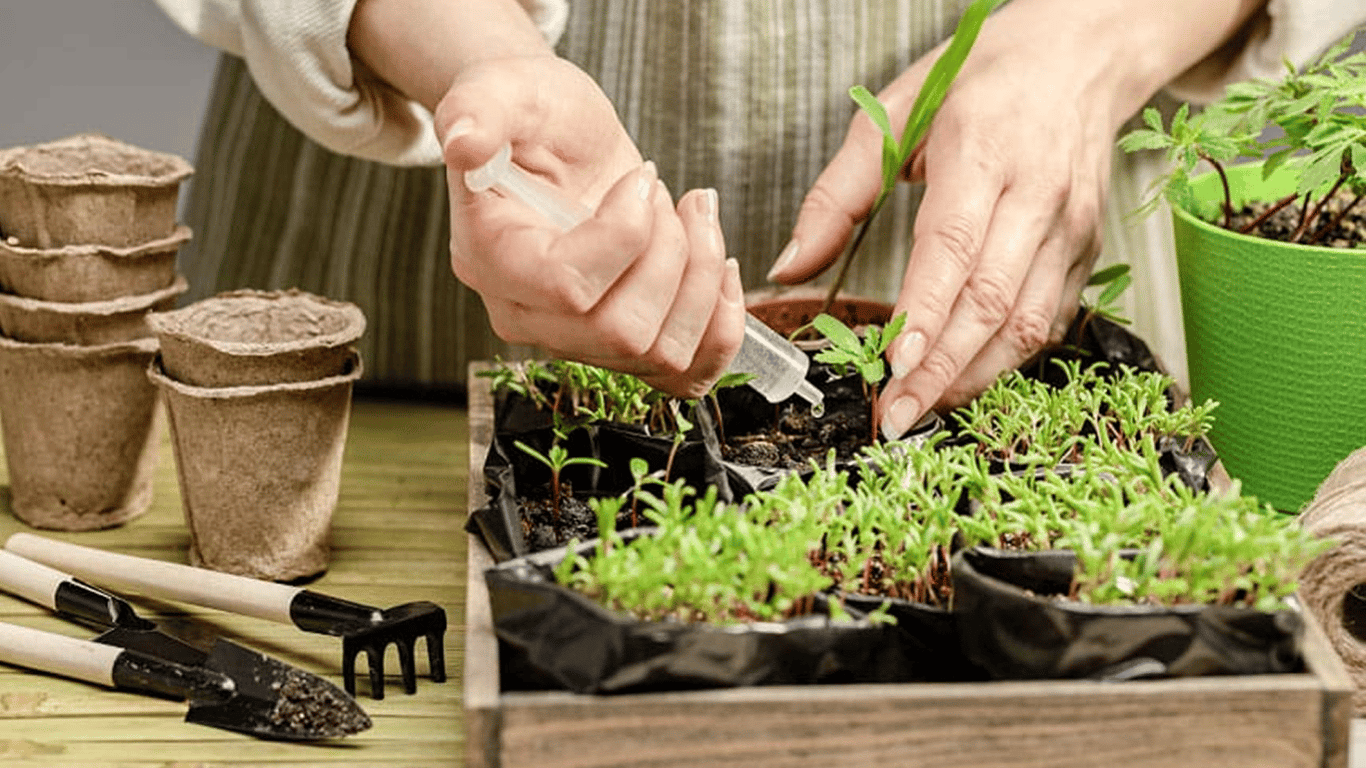
Correcting Leggy Seedlings Without Specialized Equipment
According to Novyny.live: Seedlings become tall, thin, and weak—a condition known as 'legginess'—due to suboptimal growing conditions, which can severely hinder their future development and yield. The primary causes include sowing seeds too early, excessively high temperatures, insufficient light, and overcrowding. For gardeners without access to specialized grow lights, it's crucial to understand how to create the ideal environment using simple, accessible methods. This common issue often plagues home gardeners starting seeds indoors during late winter or early spring.
Creating the Ideal Growing Environment
To ensure proper development, maintain optimal temperature ranges: 18-20°C (64-68°F) during the day and a cooler 14-16°C (57-61°F) at night. Supplemental lighting is generally only necessary on north-facing windowsills or in heavily shaded areas where natural light is minimal. In such cases, standard lamps or LED strips can be positioned 20-30 cm (8-12 inches) above the plants to provide adequate illumination.
To minimize the risk of seedlings becoming leggy, follow these key recommendations:
- Sow seeds at the correct time, avoiding excessively early planting.
- Place seedling containers on a south or southeast-facing windowsill to maximize natural light exposure.
- Ensure a cool environment, avoid overwatering, and space plants adequately to prevent competition for light and nutrients.
Another effective technique for boosting natural light is to install a reflective foil screen behind the plants. This helps gather and redirect more sunlight onto the seedlings, promoting healthier, more compact growth. Applying these straightforward strategies allows for the cultivation of robust and healthy seedlings without the need for expensive grow lights.
Successfully raising strong seedlings is a critical step for gardeners, particularly in regions with limited winter sunlight. Implementing these simple yet effective methods can significantly improve plant quality and eventual harvests. Adhering to guidelines on temperature, light, and spacing not only prevents legginess but also ensures vigorous seedling development. This practical knowledge is valuable for both amateur enthusiasts and those involved in professional plant cultivation.
Read also
- Blago Becomes Lead Partner of Lviv Fashion Week: What This Means for Ukrainian Designers
- From Johnson’s Memoir to the War of Tomorrow: 5 Must-Read Books Coming in 2026
- Forecaster Didenko Issues Weather Update for July 15: Where Rain Is Expected
- How to Choose a School Backpack: Key Factors for Your Child's Health and Comfort
- A Simple Recipe for Tomato Fertilizer Made from Yeast and Banana Peels
- Custom Door Signs Over Stock Options: How Office and Residential Navigation Is Evolving