Ukraine’s Intelligence Warns of Systemic Crisis in Russia as Wage Arrears Surge by 78%.

Rising Discontent in Russia
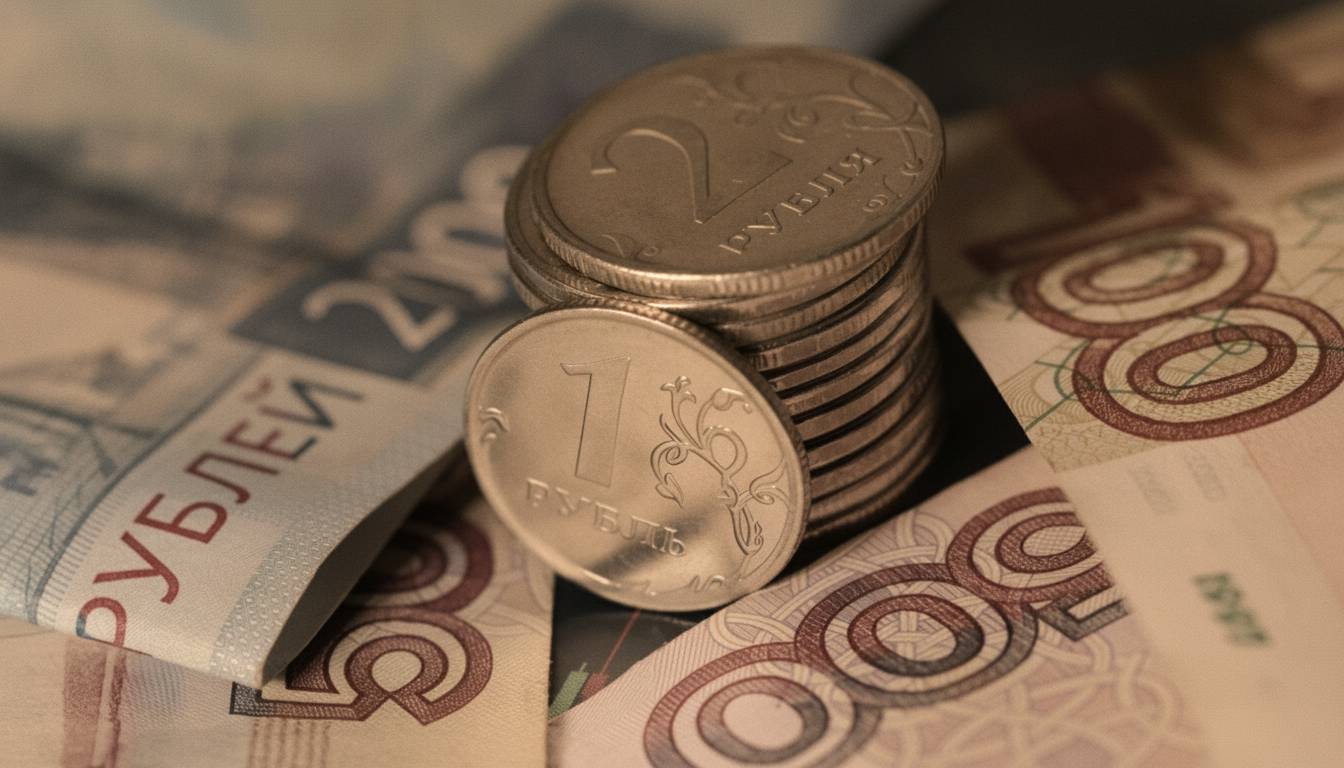
According to UATV: Growing labor unrest is sweeping across Russia, driven by delayed salary payments and violations of workers’ rights. According to Ukraine’s Foreign Intelligence Service, this issue has become systemic, with the Russian government relying on administrative measures to suppress public anger. By early summer 2023, total wage arrears in Russia had reached 3 billion rubles—an increase of 1.3 billion rubles, or 78.1%, compared to the same period the previous year.
Protests are gaining momentum across the country. Drivers of the transport company 'Avtokolonna 17' in Tuva went on strike over unpaid wages. Similarly, workers at 'Severputstroy' halted train operations due to salary issues. In the second half of July 2023, the 'Vladimirsky Standard' plant also shut down; around 200 employees resigned in the past month, leaving nearly 4,000 workers without pay.
Healthcare and Economic Strains
The healthcare sector is also under severe pressure. Russian authorities have reported a shortage of 23,000 doctors and 63,000 mid-level medical staff. This forces nearly 40% of healthcare workers to put in overtime, with 39% of nurses and 38% of doctors simultaneously working at two or three medical facilities to fill the gaps.
The economy remains volatile: the Moscow Exchange index has dropped nearly 9%, hitting its lowest point since October 2022.
“The Kremlin is trying to contain the situation through administrative and repressive measures, but every day it becomes more systemic in nature.” — Ukraine’s Foreign Intelligence ServiceThe crisis is not limited to specific sectors—it now affects nearly the entire Russian economy.
This unfolding situation highlights deep economic and social problems in Russia that could have far-reaching consequences for regime stability. The rise in protests and strikes points to growing public frustration over poor working conditions and social injustice. The administrative tactics currently employed by the authorities may prove insufficient in the face of a systemic crisis. This context underscores the importance of monitoring developments in Russia, as they could impact regional security and the country’s political landscape.
Read also
- Ukraine Gets $2.2 Billion IMF Nod, But a Key Reform Delay Holds Up the Payout
- Canada Signals Readiness for Talks as Trump Imposes New Tariffs on Canadian Goods
- Fuel Prices in Ukraine Set to Jump by 7–8 Hryvnias: Here’s When the Increase Is Expected
- Fuel Crisis in Russia Drives a Sharp Drop in Car Sales
- Ride-Hailing Costs Set to Rise in Ukraine: New Taxes Target Bolt and Uklon in 2026
- Credit Card vs. Online Loan: Which One Saves Ukrainians More Money?