Rutger Hauer Movies: The Best Roles and Cult Films of the Actor.

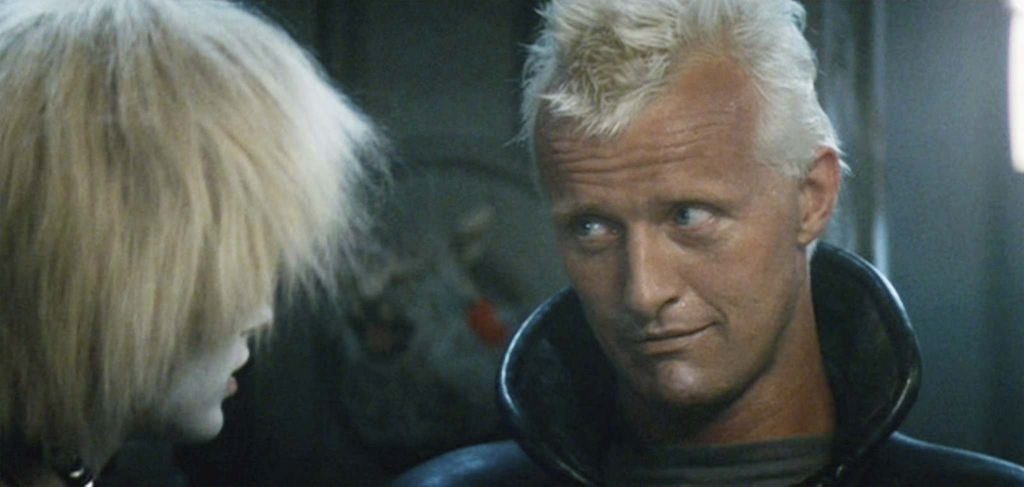
Rutger Hauer is one of the most significant actors in European and worldwide cinema, whose career encompasses dozens of roles in films of various genres. His charisma, the depth of his emotional performance, and the ability to portray complex psychological characters make his persona in film unique.
Hauer is known for his ability to transform into vastly different characters – from anti-heroes and mystical figures to dramatic and romantic roles. His filmography is quite diverse and interesting. It deserves special attention.
The Best Films with Rutger Hauer
During his career, Hauer worked both in Hollywood and European cinema, leaving a lasting impression in various genres – science fiction, thrillers, dramas, and historical films. His works are characterized by deep psychology, charismatic screen presence, and the ability to convey subtle nuances that make every character vivid and believable. Films with his involvement often become cult films, and his roles are unforgettable thanks to his strong individuality and mastery of acting.
Blade Runner
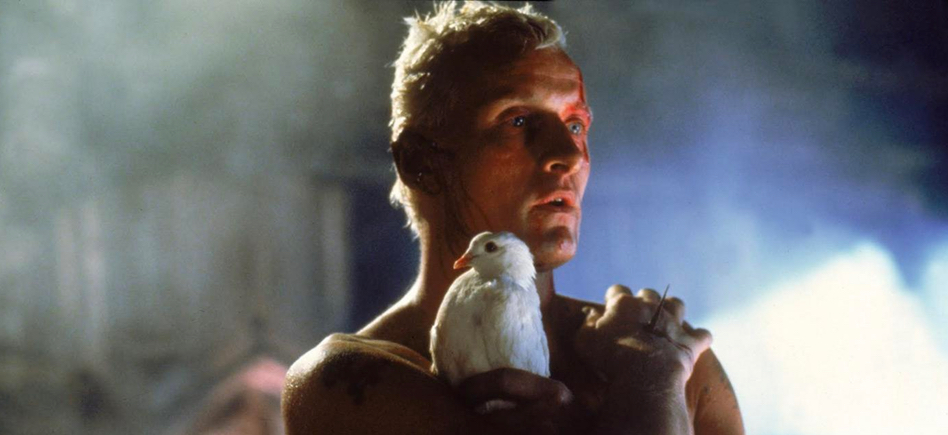
One of Rutger Hauer's most renowned works is his role as Roy Batty in the iconic science fiction film “Blade Runner” (1982). In this film, he embodies the image of a replicant – an artificial human with a limited lifespan, seeking the meaning of his existence and his own freedom. Hauer's performance is marked by extraordinary emotional tension, the depth of inner conflicts, and a philosophical undertone. His famous monologue about “tears in rain” became legendary in film history, showcasing not only Hauer's acting artistry but also the ability to convey human emotions through a character who is himself an artificial being.
Ladyhawke
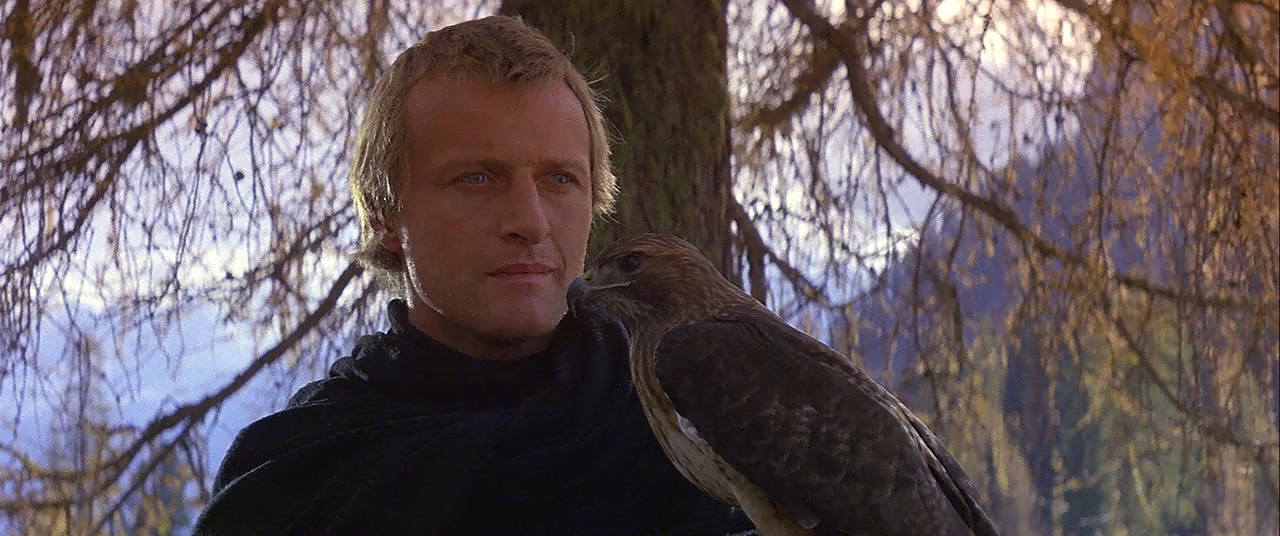
In the film “Ladyhawke” (1985), Rutger Hauer plays a charismatic and cunning hero with elements of an adventure and romance plot. His character combines elegance, intellect, and bravery, making him the center of the film's dynamic events. Hauer masterfully conveys both dramatic moments and light comedic nuances, demonstrating the versatility of his acting talent and his ability to adapt to different directorial styles.
Blind Fury
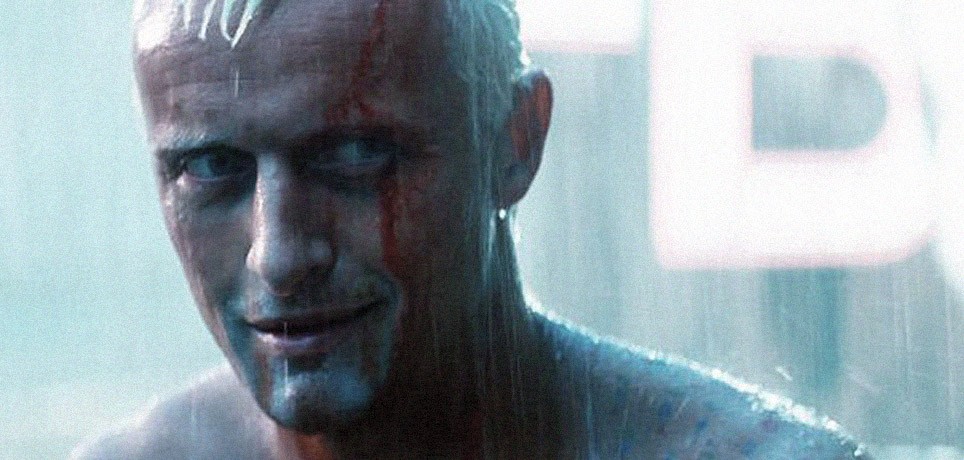
In the thriller “Blind Fury” (1991), the actor portrays a man caught in dire life circumstances, facing dangers and moral dilemmas. His hero is filled with inner tension and psychological depth, allowing the viewer to feel fear, determination, and a thirst for justice. Hauer demonstrates in this work how to subtly connect the character's inner conflict with external events, making the plot engaging and dramatically intense.
The Hitcher
The film “The Hitcher” (1993) unveils another facet of Rutger Hauer's acting talent, effortlessly intertwining psychology with a sense of fear and unpredictability. His character is a man with a dark past, living on the border between moral choice and madness. From the first scenes, it becomes clear that this is not just an ordinary thriller hero, but an image that carries philosophical foundations: the struggle between good and evil, between humanity and inner emptiness.
Hauer embodies a complex psychological portrait of a person who, despite his dark nature, remains mysterious and alluring. His presence on screen creates a constant tension, and every glance or movement is filled with hidden meaning. Thanks to his performance, the film acquires a special atmosphere – oppressive yet hypnotic. The actor shows the ability to convey fear, guilt, and inner struggles without many words, only through a gaze or subtle facial movement.
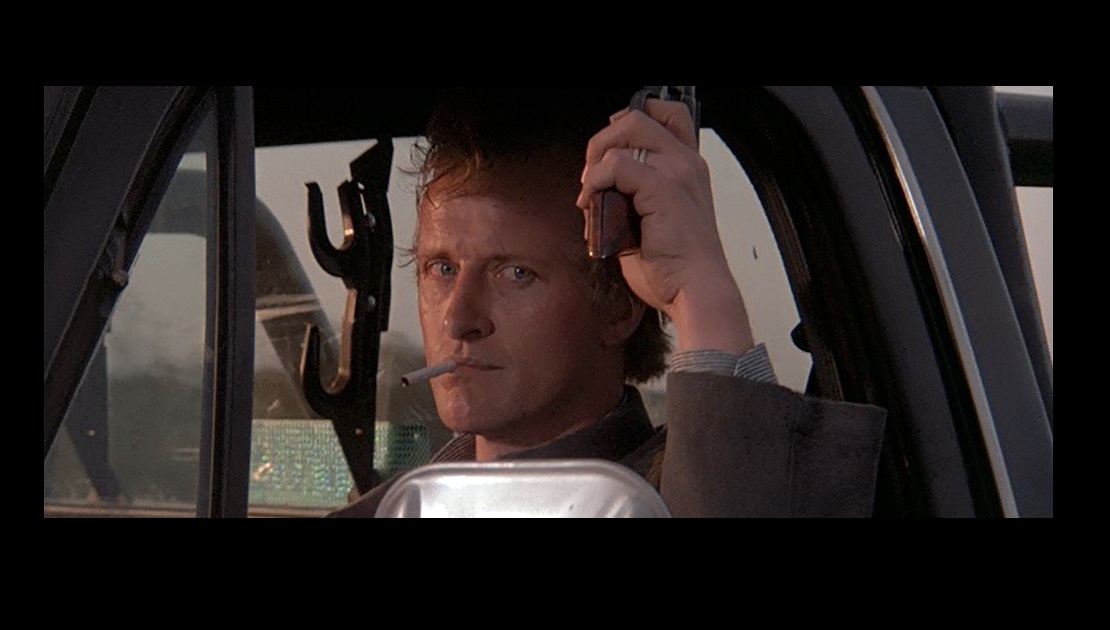
His hero is not a typical antagonist – he evokes conflicting emotions that make the viewer empathize and fear at the same time. Precisely this versatility makes Hauer's role in “The Hitcher” unique. He does not simply play a criminal or manipulator – he creates the image of a man who has lost the line between morality and madness. That is why the film remains one of the most thrilling thrillers of the 90s, and Hauer's work serves as an example of acting mastery in the genre of psychological thrillers.
Escape from Sobibor
In the historical drama “Escape from Sobibor” (1987), Rutger Hauer reveals a different side of his talent – spirit, humanism, and inner courage. In this film, he takes on the role of a leader who guides people to freedom while overcoming fear and hopelessness. His character is not just a concentration camp inmate, but a person capable of uniting others for a common goal.
The story, based on true events, emphasizes the historical significance of this uprising against Nazi terror. Hauer wonderfully conveys the despair and simultaneously the determination of his hero. His acting performance is filled with genuine emotions – from profound pain to a glimmer of hope. Every monologue and action he takes carries weight, as they stand not only for a personal struggle but also for a symbolic resistance against the system of evil.
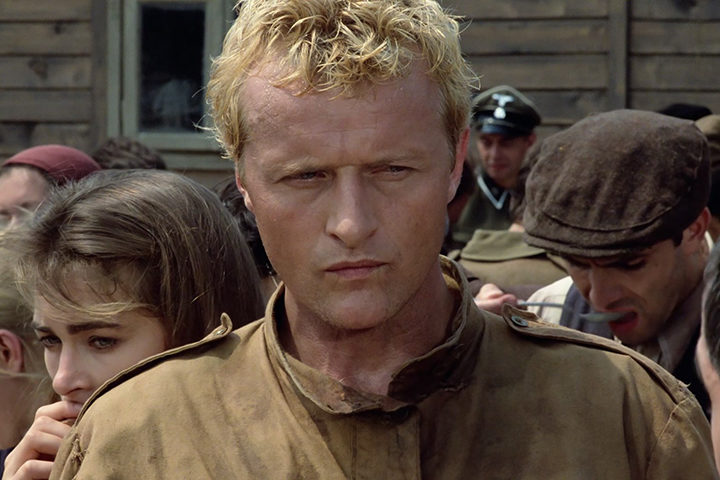
Hauer creates an image that embodies bravery and faith in humanity even in the worst circumstances. His hero is not idealized – he doubts, feels fear, but still finds the strength to act. This makes his character alive and realistic. The role in “Escape from Sobibor” brought Hauer wide recognition, as he conveyed not only historical authenticity but also gave the film a profound emotional significance, transforming it into a touching narrative about human dignity and the resilience of spirit.
Knockin' on Heaven's Door
In the film “Knockin' on Heaven's Door” (1997), Rutger Hauer once again proves his versatility by participating in a project that unites drama, philosophy, and humor of life. His character is a man standing at the crossroads of past and future, between the fear of death and the desire to live fully. Hauer masterfully conveys the emotional depth of a character who has experienced losses but has not lost the ability for empathy and dreaming.
In this film, he demonstrates an amazing ability to combine tragedy with tenderness, creating the image of a person who accepts life as it is, with all its joys and pains. Hauer imbues the character with philosophical undertones – in every word of his, one can feel experience, wisdom, and the understanding that the most precious thing in life is the moment.
His acting performance makes the film not only dramatic but also deeply human. He creates an atmosphere of honesty, where the viewer feels the character's emotions as if they are experiencing them together. “Knockin' on Heaven's Door” becomes, in Hauer's rendition, a simple story about life's trials that transforms into a philosophical work about love, forgiveness, and the value of each day.
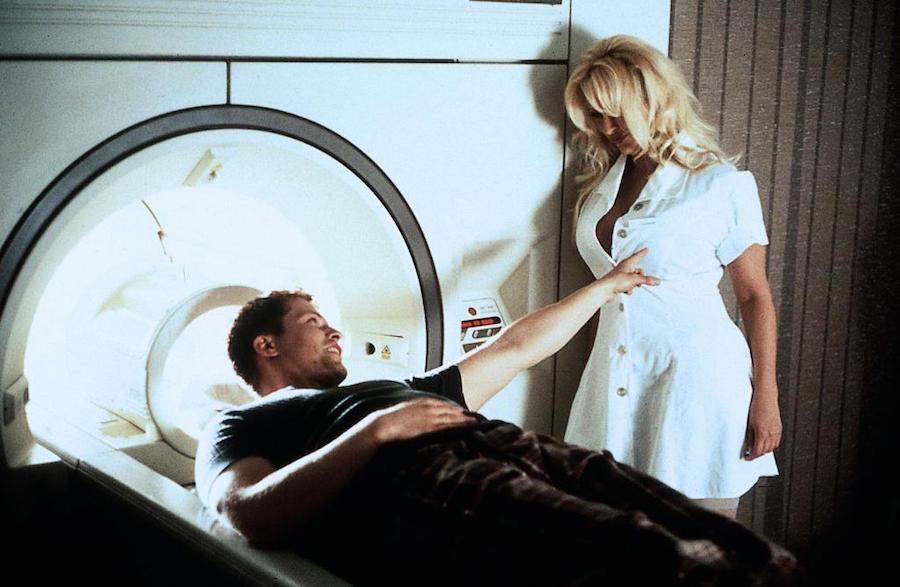
Thanks to these roles, Rutger Hauer solidified his status as an actor capable of uniting hardness and tenderness, tragedy and faith, fear and hope. His heroes are always true, alive, and that is why they remain in the memory of viewers for many years.
The Sisters Brothers
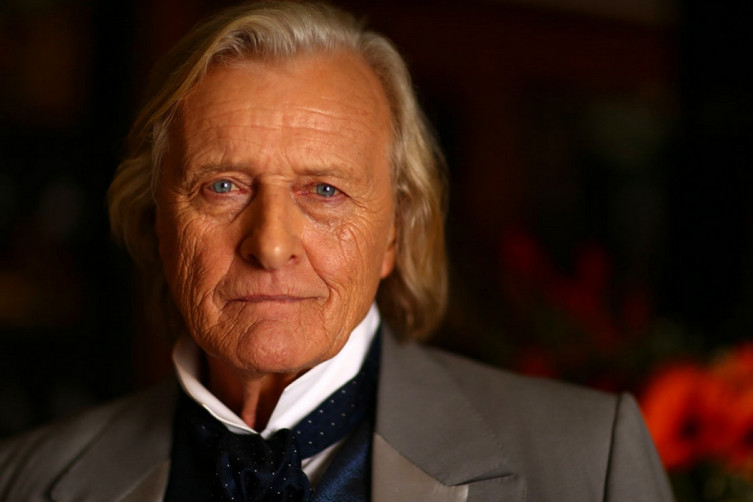
The film “The Sisters Brothers” (2018) features Rutger Hauer in an exceptionally tension-filled Western, where he plays a charismatic and experienced character who influences the evolution of events and the psychology of the main figures. In this film, Hauer skillfully combines strictness and wisdom, creating a character who remains simultaneously mysterious and multifaceted. His presence on screen emphasizes the atmosphere of the Wild West and helps to illuminate the moral dilemmas of the characters faced with the choice between honor, money, and survival. The actor expresses both the physical tension of chase scenes and the delicate psychological nuances, making the plot more convincing and emotionally intense.
Broken Key
In the film “Broken Key” (2013), Hauer showcases his talent for working in psychological thrillers with mystical elements. His character is caught in a world full of intrigues and mysterious events, where every step can change the course of the story. Rutger masterfully conveys the inner tension, fear, and determination, allowing the viewer to completely immerse themselves in the plot and empathize with the hero. His image is central to the development of the dynamic storyline, where psychological games and moral dilemmas are crucial for unraveling mysteries, while the acting accentuates the depth of conflict and the complexity of situations.
Barbarossa
In the historical drama “Barbarossa” (2009), Rutger Hauer takes on an extremely complex, multifaceted role that immerses the viewer into the depths of medieval Europe – a time where power, honor, and survival were inextricably linked. His hero is not only a warrior or ruler but a strategist and thinker navigating brutal political struggles. With every movement, every glance, you feel the tension of the era, in which decisions were made not only with the sword but also with wisdom, diplomacy, and cunning.
Hauer excellently conveys the inner world of his character – a man torn between duty and humanity, between honor and the necessity of ruthless action. His hero is not emotionally cold – on the contrary, he suffers deeply from every loss, every betrayal, yet hides his feelings behind a mask of hardness. This complexity makes Hauer's role one of the most interesting in the film.
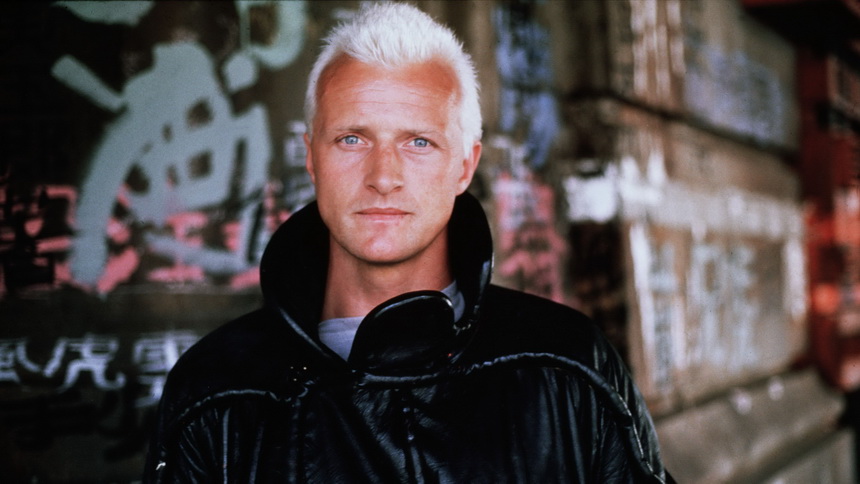
The actor showcases his typical style – a combination of cold confidence and deep inner drama. His performance shows attention to detail: even brief pauses or changes in intonation bear meaning. Hauer creates the sense that before the audience stands not just a historical character but a living person with his weaknesses, fears, and passions.
His presence on screen gives the film special power – a sense of historical significance, where the fates of states depend on the decisions of one person. “Barbarossa” gains not only spectacle through Hauer but also depth that stimulates reflection on the nature of power, honor, and human loyalty. This role once again confirmed that Rutger Hauer could harmonize historical authenticity with strong emotional impact, creating an image that remains long in the audience's memory.
Sin City
In the film “Sin City” (2005), Rutger Hauer immerses himself in the dark, brutal atmosphere of a noir metropolis, where crime, corruption, and moral decay reign. His hero is part of this dangerous world but simultaneously an observer who understands how fragile the line between good and evil is.
Hauer masterfully conveys the cold-bloodedness and inner tension of the character. His hero acts without unnecessary emotions, yet in every step, one can sense reasoning and hidden strength. He needs no loud sentences – a single glance is enough to convey the entire depth of thought or the danger of the moment. It is this restraint and self-control that make his character truly convincing.
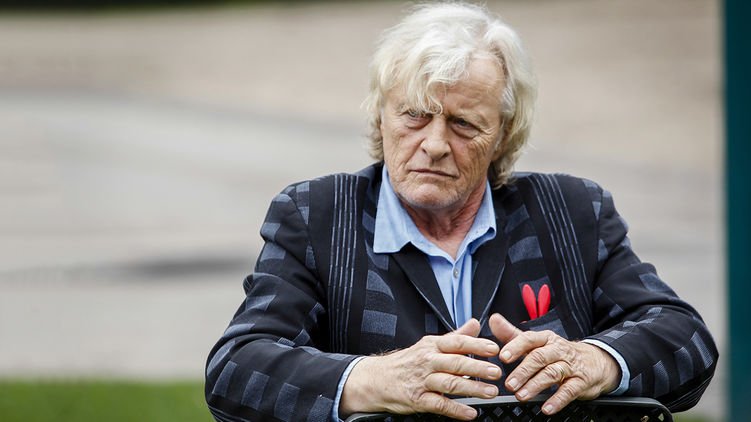
The interaction with other characters reveals another important aspect of his acting – the ability to generate tension even in ordinary dialogues. Hauer seems to read his opponent, responding precisely and thoughtfully, forming an atmosphere of mistrust and hidden threat. His character appears to be a part of the city itself – equally dark, contradictory, and dangerous.
Beyond the external image, Hauer gives depth to the role – he shows the inner conflicts of a person who must act in a world where morality has long lost its significance. His performance not only enhances the drama of the film but also imbues it with a philosophical undertone. The viewer sees not just a criminal or anti-hero but a person striving to preserve the remnants of his conscience amidst chaos.
Rutger Hauer proves once again that even in a supporting role, he can be the center of attention. His presence on screen lends the film weight and depth, and scenes with him leave a strong emotional impression. “Sin City” became another testament to his versatility – the ability to play both historical heroes and characters from the dark criminal world convincingly.
Read also
- Zendaya Announces a Career Break: What Led the Actress to Step Back
- Olga Gorbachova and Yuriy Nikitin Split Again: What Happens to Their Daughters Now
- Dmytro Koliadenko Opens Up About His Son’s Wedding: The Best Celebration of His Life
- Kim Kardashian Mourns the Loss of Her Grandmother Mary Jo Shannon at Age 91
- Michael J. Fox Celebrates 38th Wedding Anniversary: Touching Words to His Wife Tracy Pollan
- Lindsay Lohan Shares Heartfelt Birthday Tribute to Her Son on His 3rd Birthday Alongside Husband