The Key to a Bountiful Cherry Harvest: When and How to Prune Columnar Trees.

Why Columnar Cherry Trees Are Gaining Traction
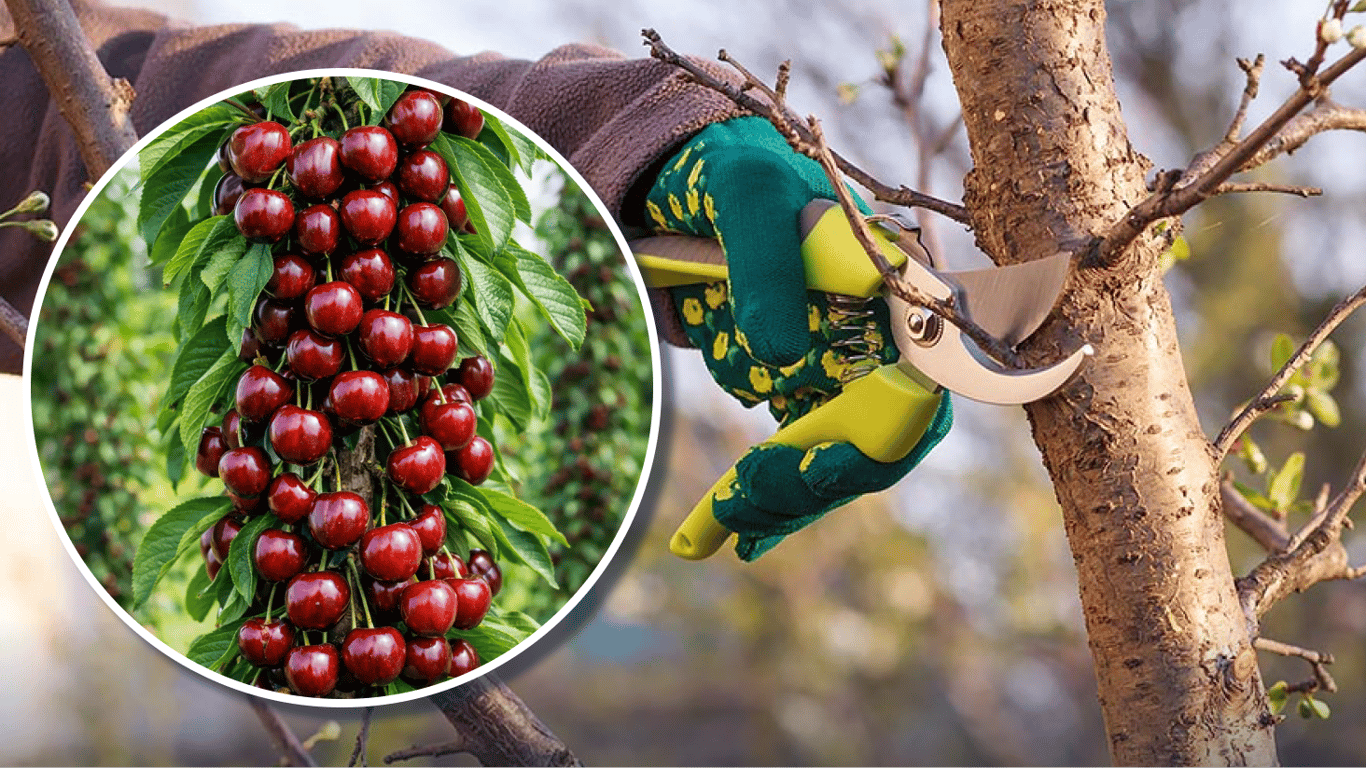
According to Novyny.live: Gardeners are increasingly turning to columnar cherry trees, drawn by their compact shape and impressive fruit production. These trees typically grow to just 2–3 meters in height, making them a perfect fit for smaller yards or gardens where space is at a premium. To unlock their full potential, proper pruning and care are essential.
Pruning and Maintenance Essentials
The ideal window for pruning columnar cherries is early spring, from late March through early April. Key conditions must be met for success:
- air temperatures should range from 0 to +8 degrees Celsius;
- no frost should be expected;
- the weather must be dry;
- the soil should be thawed.
During the first year after planting, the sapling's height dictates the approach. If it stands under 1 meter, no pruning is needed. For taller saplings, trim the top back to 5–6 buds. This initial cut helps shape the tree and lays the groundwork for future yields. Annual light shaping and sanitary pruning keep the tree healthy and productive.
For mature columnar cherry trees, ongoing care involves regular health checks, watering, fertilizing, and pest control. With the right conditions and timely pruning, growers can look forward to a rich harvest of sweet, juicy fruit.
The rising popularity of columnar cherries reflects a broader shift in gardening preferences toward compact, high-yield plants. This trend is likely driven by limited garden space and a desire for abundant harvests with less effort. Understanding proper pruning techniques and providing consistent care allows gardeners to maximize these trees' potential, which in turn could boost consumer demand for the berries.
Read also
- Blago Becomes Lead Partner of Lviv Fashion Week: What This Means for Ukrainian Designers
- From Johnson’s Memoir to the War of Tomorrow: 5 Must-Read Books Coming in 2026
- Forecaster Didenko Issues Weather Update for July 15: Where Rain Is Expected
- How to Choose a School Backpack: Key Factors for Your Child's Health and Comfort
- A Simple Recipe for Tomato Fertilizer Made from Yeast and Banana Peels
- Custom Door Signs Over Stock Options: How Office and Residential Navigation Is Evolving