Birch Sap Harvesting Season in Ukraine: Key Deadlines and Essential Rules.

When and How Birch Sap Is Collected
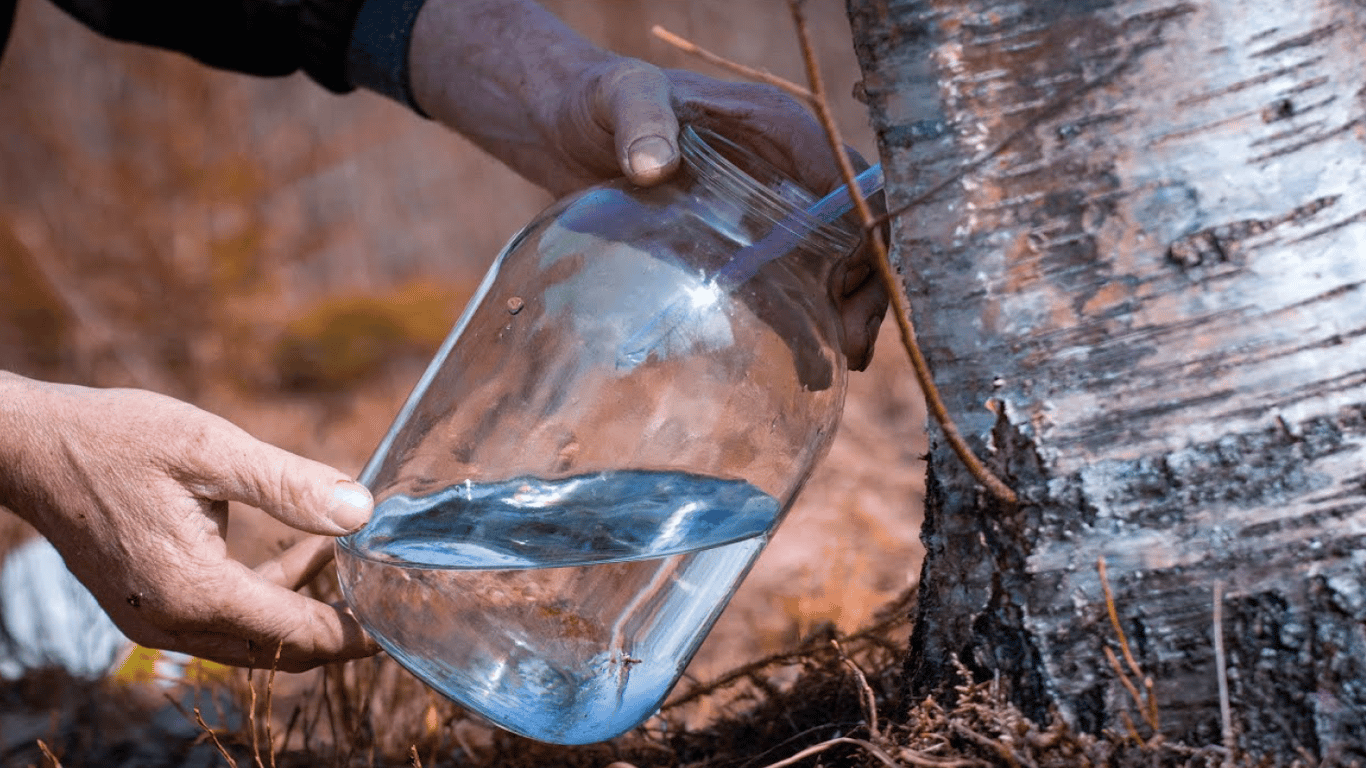
According to Novyny.live: Across Ukraine, the birch sap collection period kicks off at the start of March and runs through the end of April. For anyone tapping birch trees for their sap, this window is critical: it is during these months that the sap reaches its peak flavor and nutritional value. This seasonal activity is both a cultural tradition and an economic practice in many regions.
The ideal daytime temperature for sap collection hovers around +5°C. Even when nighttime temperatures dip to a light frost of -3°C, the process can continue without issue. The clearest signs that trees are ready to tap are consistently warm daytime weather and visibly swollen buds on the birches. These conditions signal that the sap is actively flowing inside the trunks.
Guidelines for Tapping Birch Trees
Not every birch tree is suitable for sap collection. Only trees with a trunk diameter greater than 30 cm and an age of at least 30 years should be used. It is equally important that the tree shows no signs of damage or disease. Furthermore, it is strictly prohibited to collect sap from birches located in:
- public squares
- parks
- nature reserves
- areas near industrial facilities
- close to large cities or highways
These restrictions are designed to protect the environment and preserve natural resources.
Experienced harvesters recommend choosing birches that grow in sunny, clean locations. Such conditions help ensure the sap is of high quality and free from contaminants. All collection must comply with established norms and rules to avoid harming the trees or the broader ecosystem. Responsible stewardship of natural resources is essential.
Birch sap harvesting in Ukraine carries not only economic importance but also contributes to ecological preservation.
Following proper collection practices helps maintain the health of birch trees, which in turn supports the overall well-being of forest ecosystems. In an era of climate change and increasing environmental pollution, it is vital that harvesters recognize their responsibility toward nature and adhere to ecological standards.
Read also
- French Perfumer Antoine Maisondieu Reveals the Secret Behind His Ultimate Summer Fragrance, Nice Bergamote
- Cucumbers Under Threat from 30°C Heat: Expert Advice for Gardeners
- Three Zodiac Signs Set for Positive Shifts as the Sun Enters Leo
- 5 Mistakes That Wash Out Your Hair Color: A Guide to Proper Care for Dyed Hair
- Kyiv Weather on July 5: Showers and a High of 26°C Expected
- White Coating on Plums: Should You Be Concerned and When It Signals Danger