A Guide to January Pruning: Preparing Your Orchard for Spring.

Essential January Pruning for a Healthy Spring Orchard
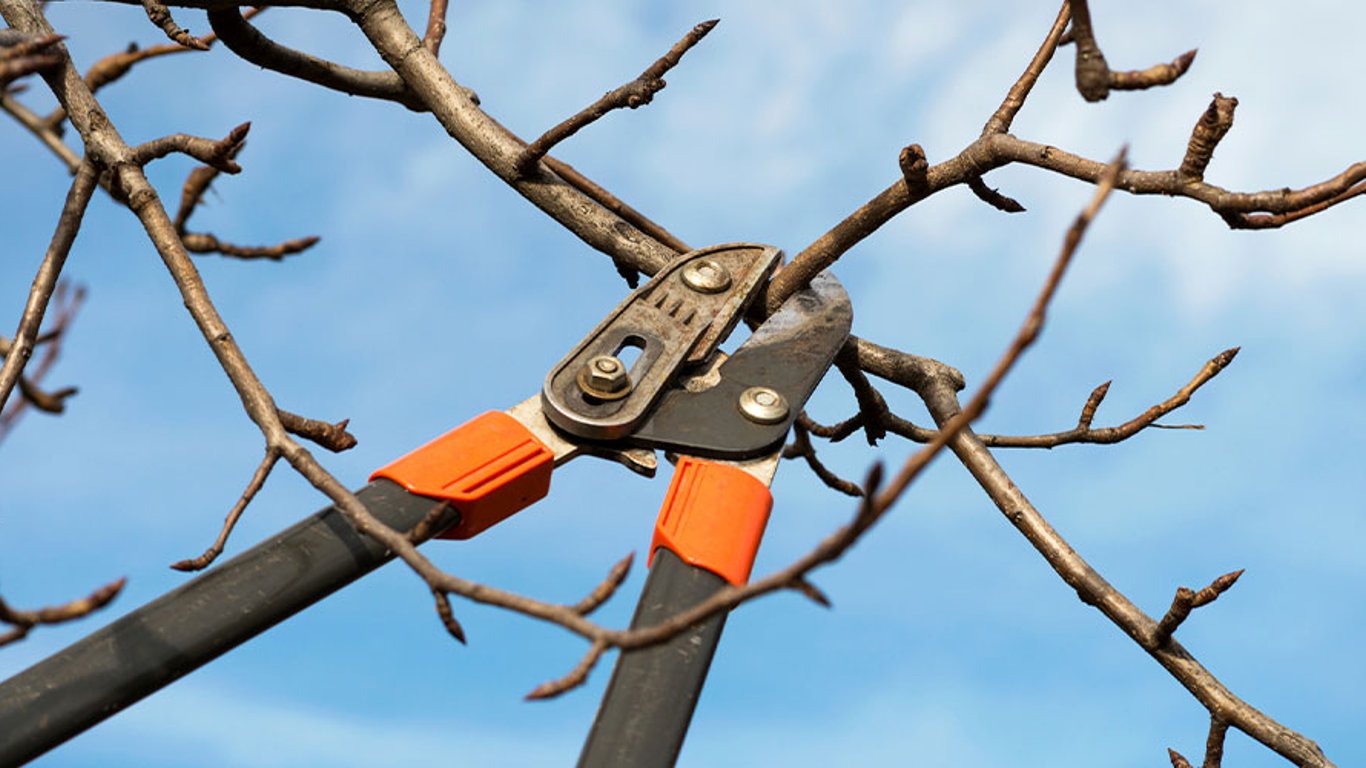
According to Novyny.live: Pruning in January is a vital step in readying your trees for spring, as it promotes plant health and improves fruit yield. A key requirement is that the air temperature should not fall below -5°C (-23°F) to avoid stressing the plants and to ensure their proper development. This winter task is a cornerstone of temperate-climate horticulture, setting the stage for the entire growing season.
Always use clean, sharp tools to minimize the risk of infecting the trees. Any large cuts made during formative pruning should be sealed with tree wound paint or paste to protect the plants from potential diseases.
Pruning Specifics for Different Plant Types
Different trees and shrubs require specific attention. For instance, pear trees are sensitive to overcrowding, so it's important to manage their canopy to ensure adequate ventilation and light penetration. For blackcurrant bushes, remove branches older than five years to boost productivity and improve the plant's overall condition.
- Apple Tree
- Grapevine
Properly shaping your shrubs and trees not only enhances their appearance but also increases the efficiency of fruit production. Adhering to these guidelines is crucial for ensuring healthy growth and development in your garden for the new season.
January pruning is a fundamental horticultural practice. It prepares plants for the spring, bolsters their resilience against diseases and pests, and contributes to the overall vitality of the entire garden, which can positively impact the total harvest. Understanding the specific needs of different plant species will help gardeners achieve the best possible results from their efforts.
Read also
- Blago Becomes Lead Partner of Lviv Fashion Week: What This Means for Ukrainian Designers
- From Johnson’s Memoir to the War of Tomorrow: 5 Must-Read Books Coming in 2026
- Forecaster Didenko Issues Weather Update for July 15: Where Rain Is Expected
- How to Choose a School Backpack: Key Factors for Your Child's Health and Comfort
- A Simple Recipe for Tomato Fertilizer Made from Yeast and Banana Peels
- Custom Door Signs Over Stock Options: How Office and Residential Navigation Is Evolving