Cover Crops: How Common Plants Enrich Soil and Boost Yields.

Cover Crops: Nature's Tool for Soil Health and Abundant Harvests
According to Novyny.live: Cover crops are a vital agricultural practice for enhancing soil structure, replenishing nutrients, and suppressing weeds. These specific plants are cultivated not for harvest, but to rehabilitate and revitalize the land, leading to significantly improved agricultural outcomes.
Primary Types of Cover Crops
The most frequently used cover crops include:
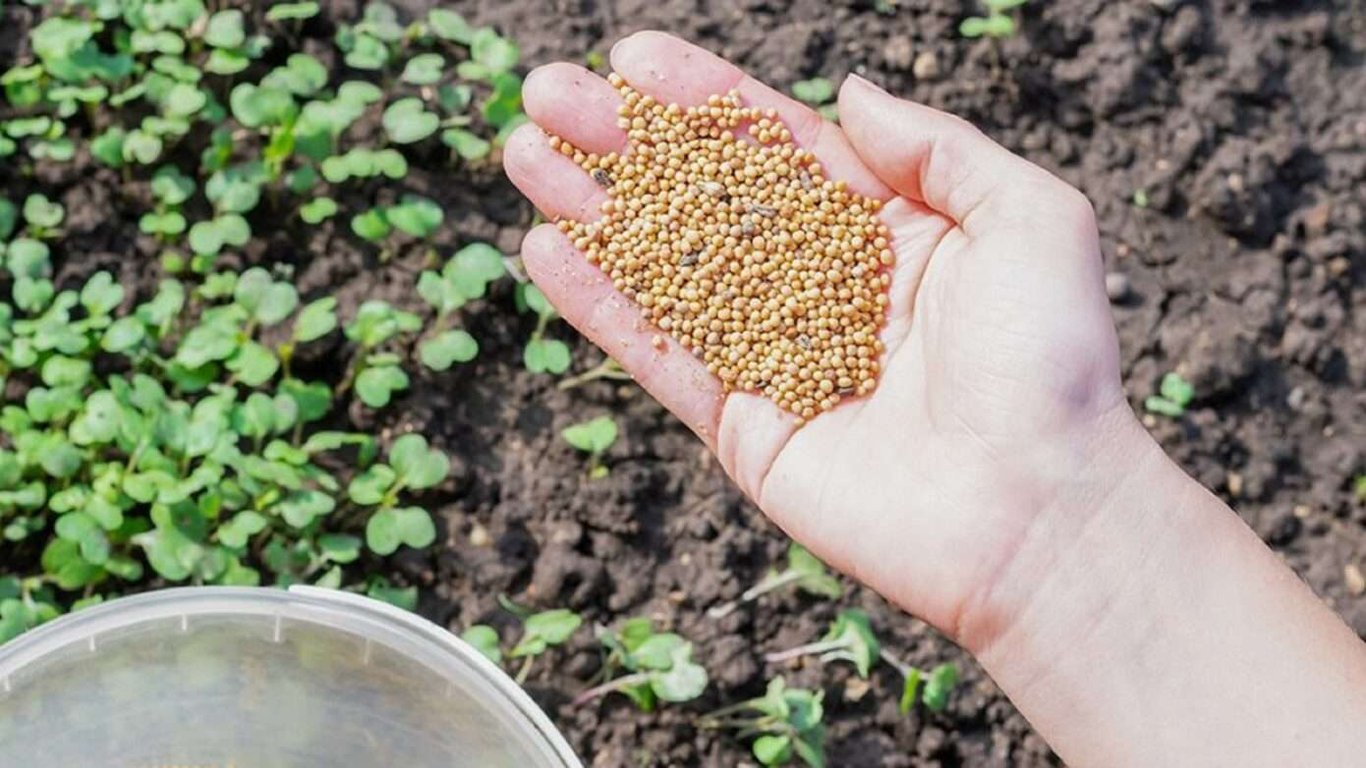
- Mustard
- Rye
- Phacelia
- Oats
- Clover
- Lupine
These plants accumulate essential nutrients like nitrogen, phosphorus, and potassium in their leaves and roots, which boosts soil fertility. For optimal benefit, the cover crops are mowed down 2-3 weeks before planting the main crop, allowing their biomass to release these nutrients back into the earth. This technique is a cornerstone of sustainable farming, reducing reliance on synthetic inputs.
Furthermore, cover crops help mitigate the risk of plant diseases, including fungal infections and nematodes, which is a crucial aspect of integrated pest management. They can be sown in spring to restore a plot, after the autumn harvest, or between rows of vegetables to create a living mulch. These simple steps can dramatically improve soil condition and contribute to a more abundant yield. Their use is particularly valuable for home gardeners and organic farmers alike.
The adoption of cover crops in agriculture is growing rapidly as growers seek eco-friendly solutions to enhance soil productivity. This method not only improves soil quality but also reduces dependence on chemical fertilizers, benefiting the wider environment. In the face of modern challenges like climate change and soil degradation, cover crops represent a key component of a resilient and sustainable agricultural strategy.
Read also
- Blago Becomes Lead Partner of Lviv Fashion Week: What This Means for Ukrainian Designers
- From Johnson’s Memoir to the War of Tomorrow: 5 Must-Read Books Coming in 2026
- Forecaster Didenko Issues Weather Update for July 15: Where Rain Is Expected
- How to Choose a School Backpack: Key Factors for Your Child's Health and Comfort
- A Simple Recipe for Tomato Fertilizer Made from Yeast and Banana Peels
- Custom Door Signs Over Stock Options: How Office and Residential Navigation Is Evolving