Dill for Winter: Secrets of Early and Abundant Harvests from Experienced Gardeners.

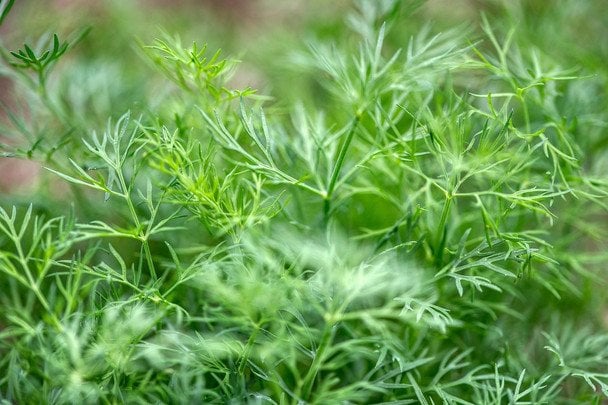
According to ТСН: Experienced gardeners usually sow dill at the end of November or at the beginning of December, as winter sowing yields a significantly better and more abundant harvest compared to spring sowing.
This approach allows the seeds to undergo natural hardening, increasing their resistance to early frosts. The seedlings appear in spring as a uniform 'brush' as soon as the soil warms up sufficiently.
When to Sow Dill for Winter
Dill can be sown for winter when the daytime air temperature steadily drops to 0 °C, and the top layer of soil cools down to 2-4 degrees. This usually occurs at the end of November or in December.
It is important to wait for stable cooling so that the seeds do not germinate prematurely. The presence of the first snow is not an obstacle, as it can simply be cleared away before sowing.
The Basis for Lush Greens: Preparing the Bed
For dill, it is advisable to choose a sunny area where melted water will not stagnate in spring. It is recommended to prepare the bed in advance: clean the soil from weeds in autumn, till it, and apply one bucket of manure or compost per square meter, as well as one or two tablespoons of complex mineral fertilizer. The surface should be carefully leveled with a rake.
How to Sow Dill for Winter
Furrows should be made shallow, about 2 centimeters deep, placing them 10-15 centimeters apart.
Use dry, unsoaked seeds, sowing them twice as densely as in spring, as some may not survive the winter.
The approximate seeding rate is 3-4 grams of seeds per square meter. The furrows should be covered with dry soil or a layer of dry peat.
Insulation for Winter
After sowing, the bed should not be watered, but immediately mulched with a layer of manure, peat, or shredded leaves 3-5 centimeters thick. You can additionally cover the bed with spruce branches or agrotextile, weighing down the edges with stones. This will protect the seeds from sharp temperature fluctuations and prevent them from being washed away during thaws.
As a result, dill sown in winter grows very lush, aromatic, and delicious.
Sowing Dill Seeds in Autumn Helps Solve Several Problems
Dill is also valuable as a natural catch crop. It creates ideal conditions for beneficial bacteria that effectively decompose plant residues, enriching the soil with nitrogen. Thanks to its root system, dill can extract nutrients from the soil's depth, promoting their even distribution.
Another important advantage of dill is its insecticidal and fungicidal properties, making it a natural protection against pests and diseases. For instance, dill protects cabbage from whiteflies, tomatoes from late blight, and cucumbers from downy mildew.
Therefore, winter sowing of dill not only ensures a good harvest but also contributes to the ecological well-being of the soil. By using this method, gardeners can obtain not only tasty greens but also improve the quality of their soil, which is very important in modern agriculture.
Read also
- Egg-Free Kefir Pancakes: A Simple Recipe with a Dough Secret
- White Acacia Kvass: A Step-by-Step Guide from Klopotenko
- A 30-Minute No-Bake Lemon Dessert: Easy Recipe with Everyday Ingredients
- Easy Pickled Tomatoes for Winter: The Perfect Brine Recipe Using 1 Liter of Water
- A 15-Minute Dinner That Feels Like a Feast: Carbonara-Style Potatoes with Bacon and Cream Sauce
- A Quick 5-Minute Homemade Gravy: Simple Ingredients, Big Flavor