Elderflower Syrup: A Simple Recipe for Summer Drinks and Winter Storage.

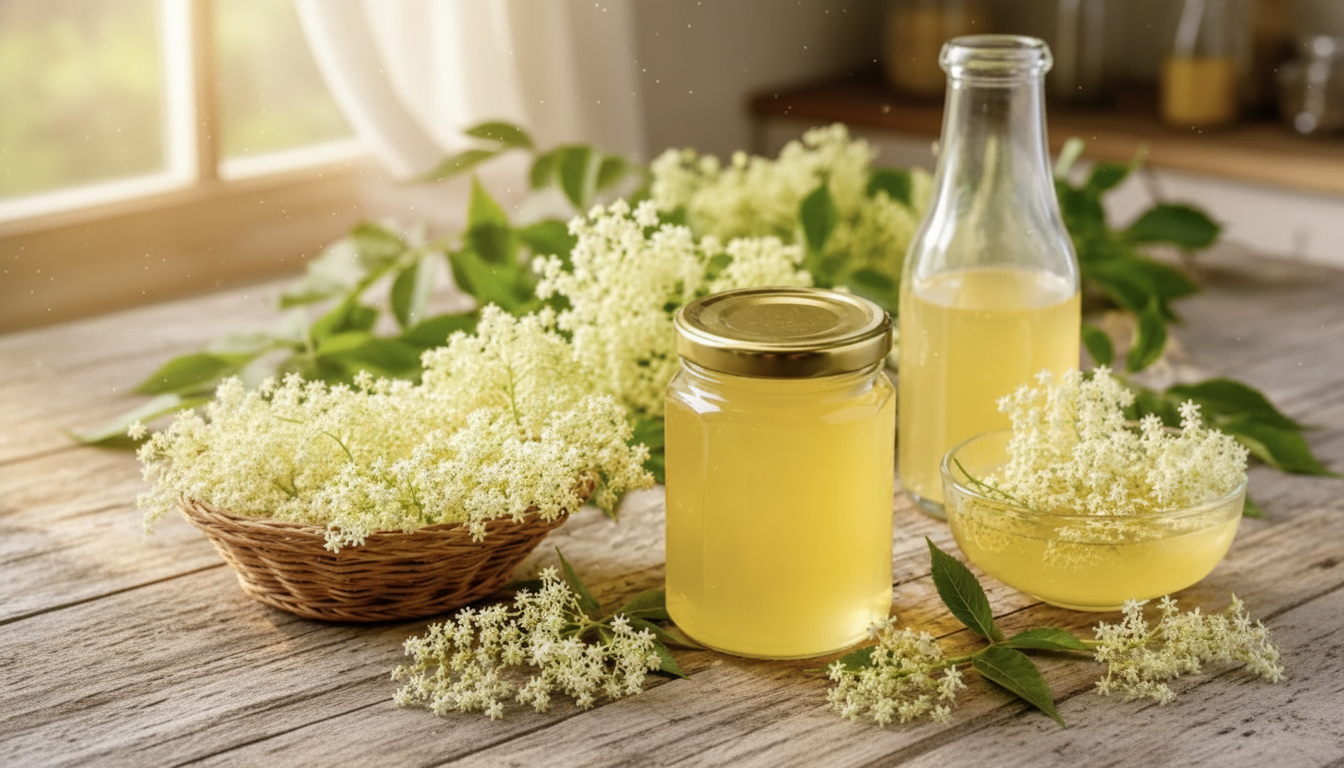
How to Make Elderflower Syrup
According to Novyny.live: Smachnenke has shared a recipe for elderflower syrup that works perfectly as a refreshing summer drink base or as a preserved staple for the colder months. This syrup can be used to create a cooling lemonade, making it especially welcome on hot days.
Ingredients and Preparation Steps
The syrup requires the following ingredients:
- 20 elderflower heads
- 1 kg of sugar
- 1 liter of water
- 2 lemons
Preparation involves several stages. Start by combining the water and sugar, then heating the mixture until hot. Next, sort the elderflower heads and slice the lemons. Add the elderflowers and lemon to the syrup, then let the mixture steep in the refrigerator for about three days. After steeping, strain the syrup.
To store the syrup for winter, bring it to a boil and pour it into sterilized jars. This method locks in the flavor and aroma of the elderflower, allowing you to enjoy it during the cold months. Making elderflower syrup is not only delicious but also a practical way to have a versatile ingredient on hand.
This elderflower syrup recipe reflects the growing interest in home canning and crafting natural beverages, a trend among those who want to capture the taste of summer fruits and berries for year-round use. Using natural ingredients like elderflower also aligns with a desire for healthier eating and avoiding artificial additives. It offers a great alternative to store-bought drinks that often contain preservatives and colorings.
Read also
- Blago Becomes Lead Partner of Lviv Fashion Week: What This Means for Ukrainian Designers
- From Johnson’s Memoir to the War of Tomorrow: 5 Must-Read Books Coming in 2026
- Forecaster Didenko Issues Weather Update for July 15: Where Rain Is Expected
- How to Choose a School Backpack: Key Factors for Your Child's Health and Comfort
- A Simple Recipe for Tomato Fertilizer Made from Yeast and Banana Peels
- Custom Door Signs Over Stock Options: How Office and Residential Navigation Is Evolving