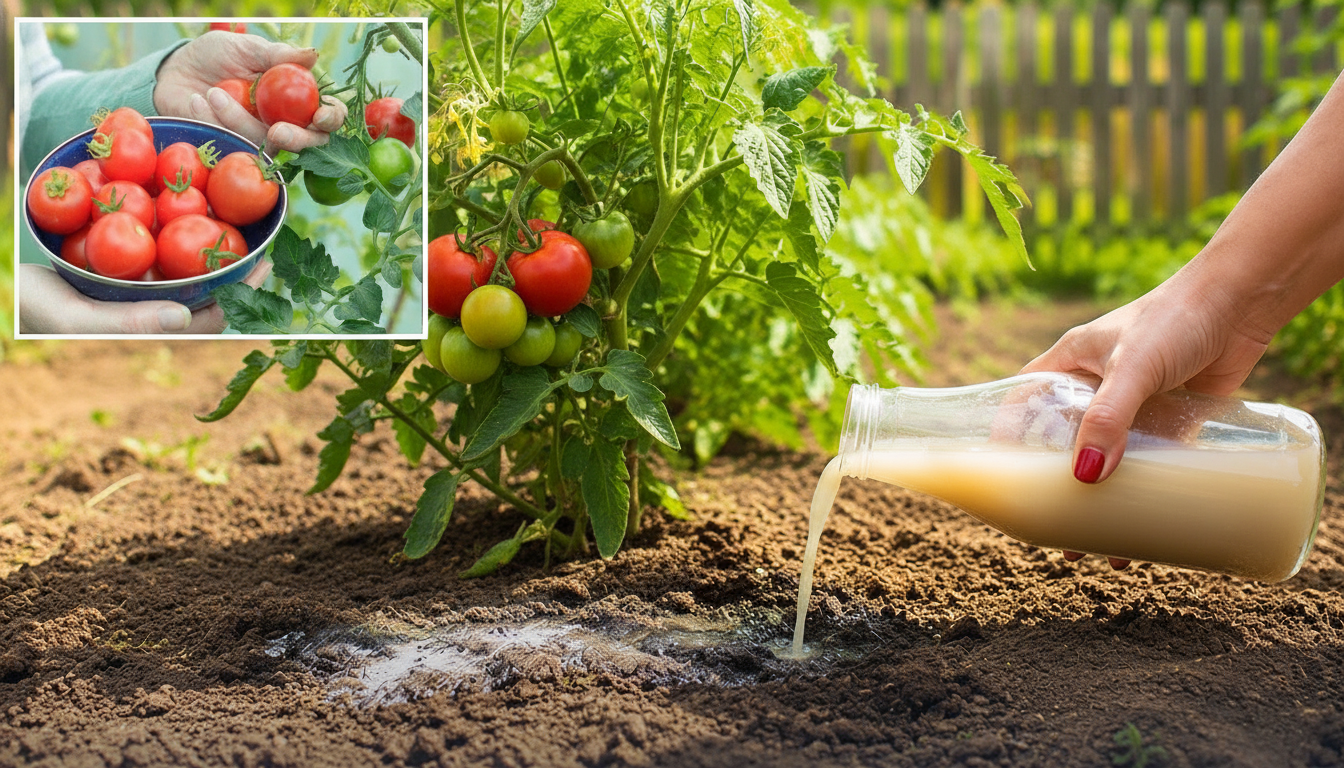
From Kitchen Scraps to Garden Gold: A Guide to Homemade Fertilizer.

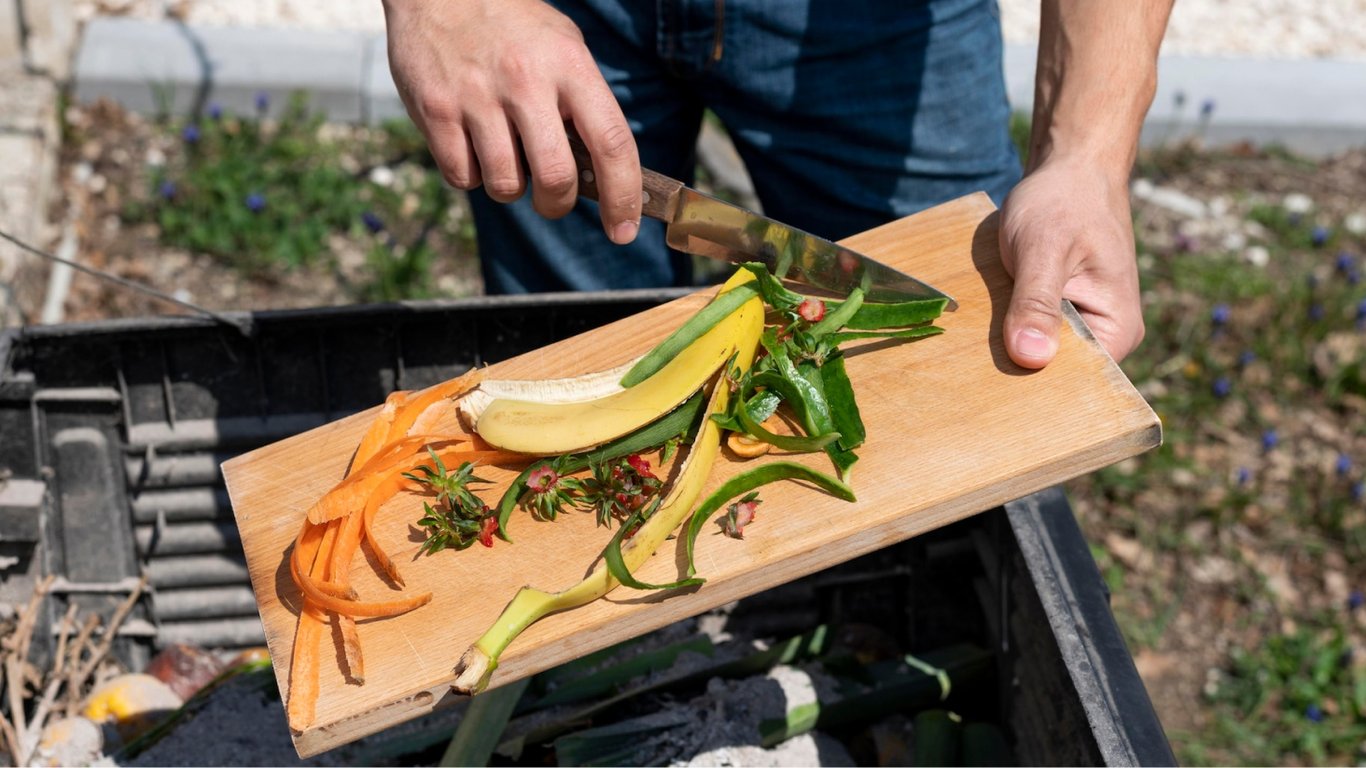
Turning Kitchen Waste into Organic Fertilizer
According to Novyny.live: An increasing number of gardeners and vegetable growers are discovering the benefits of using kitchen scraps as organic fertilizer. This sustainable practice, which repurposes materials like vegetable peels, coffee grounds, and onion skins, not only enriches the soil and nourishes plants but also significantly reduces household waste. It's a cornerstone of eco-friendly cultivation that aligns with modern, sustainable gardening principles.
Preparing Vegetable Peels for Your Garden
To preserve their beneficial properties, peels from potatoes, carrots, or cucumbers should be thoroughly dried and stored in paper bags. Once dried, these scraps can later be used to fertilize the soil, releasing essential elements that promote healthy plant growth. This simple method helps divert waste from landfills while improving your garden's vitality.
Coffee, tea, and onion skins are powerful sources of micronutrients. Coffee grounds enrich the soil with nitrogen and magnesium, which are crucial for plant development. Used, dry tea leaves help the soil retain moisture, a valuable trait during dry periods. Onion skins can be applied either in their dry form or as an infused liquid, both methods effectively boosting the nutritional content of the soil.
The Advantages of Homemade Organic Fertilizer
Using homemade compost is first and foremost cost-effective. Incorporating organic waste into the soil enhances its structure and fertility, creating a richer growing medium. For gardeners in North America and Europe, this is part of a broader 'reduce, reuse, recycle' movement applied directly to home food production. Which kitchen scraps are most beneficial for the garden? Some of the most effective include:
- Dried vegetable peels
- Sugar-free coffee grounds
- Dry, used tea leaves
- Onion skins
Utilizing these materials helps create an ecologically clean environment for cultivating plants, which positively impacts the quality of the final produce.
The growing trend of using kitchen waste as fertilizer reflects a significant shift in gardening and horticulture, where emphasis is placed on ecological responsibility and resource efficiency. This approach not only helps minimize garbage output but also improves soil quality, leading to better plant growth and harvests. Gardeners are increasingly recognizing the value of natural resources and their critical role in promoting sustainable agricultural practices right in their own backyards.
Read also
- Blago Becomes Lead Partner of Lviv Fashion Week: What This Means for Ukrainian Designers
- From Johnson’s Memoir to the War of Tomorrow: 5 Must-Read Books Coming in 2026
- Forecaster Didenko Issues Weather Update for July 15: Where Rain Is Expected
- How to Choose a School Backpack: Key Factors for Your Child's Health and Comfort
- A Simple Recipe for Tomato Fertilizer Made from Yeast and Banana Peels
- Custom Door Signs Over Stock Options: How Office and Residential Navigation Is Evolving