Seven Common Composting Mistakes That Ruin Your Fertilizer and Create Foul Odors.

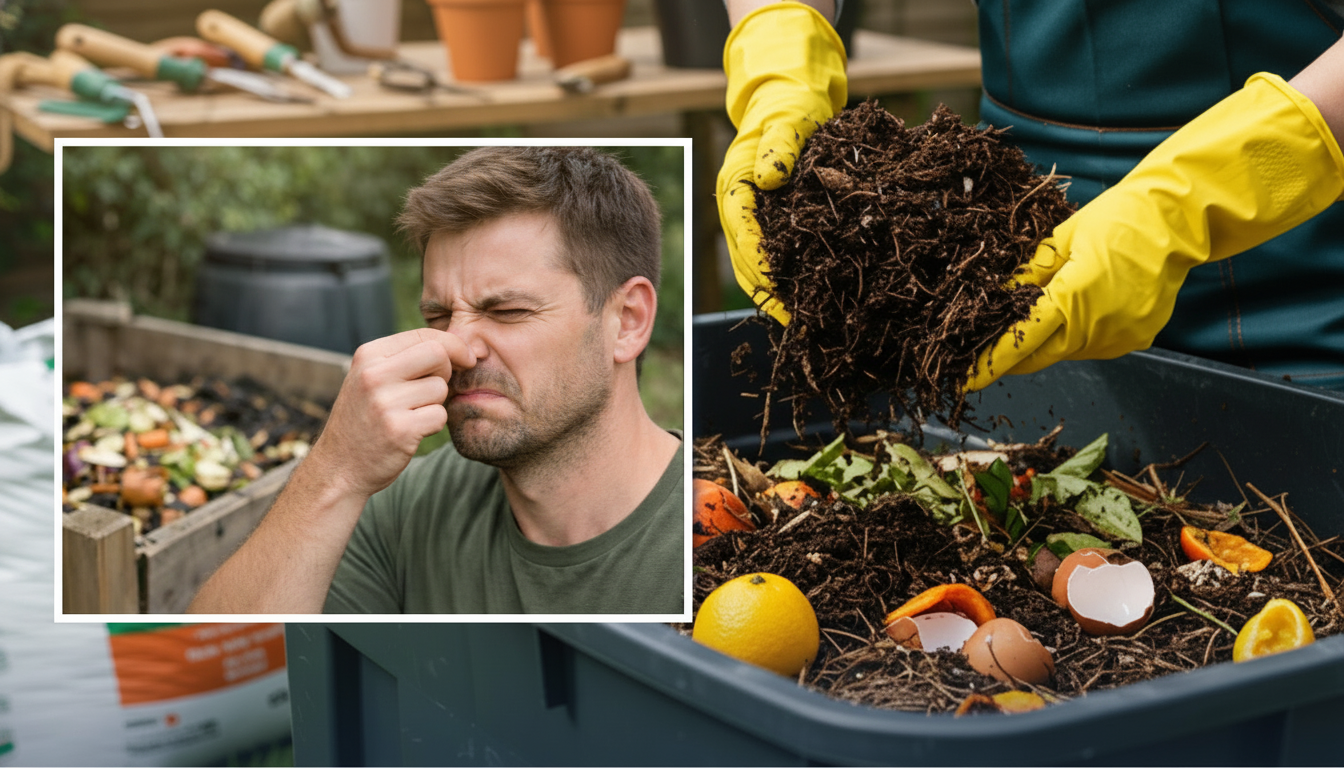
What Causes Unpleasant Smells in Compost
According to Novyny.live: Compost serves as an essential fertilizer for gardeners, yet many encounter the issue of bad odors during the decomposition process. There are seven primary reasons why a compost pile may start to stink. Identifying these causes can help you avoid problems and produce high-quality compost.
First, an excess of wet waste is a major factor leading to foul smells. When the pile contains too much moisture, it encourages the growth of anaerobic bacteria, which generate unpleasant aromas. In contrast, well-balanced compost should smell like fresh earth after rain—a sign of proper moisture and aeration levels.
Second, never add meat or dairy products to your compost. These materials are unsuitable for composting because they cause bad odors and attract animals. It is also crucial to ensure enough oxygen reaches the pile. A lack of oxygen creates conditions for anaerobic bacteria to thrive, which harms compost quality.
Ideal Conditions for Successful Composting
Moreover, the compost pile should have a consistency similar to a wrung-out sponge. If large chunks remain, such as whole apples or big vegetables, they will decompose slowly and produce unpleasant smells. It is also important to cover fresh waste after adding it to prevent odors from developing.
Last but not least, choosing the right location for your composter matters. A proper spot should offer good air circulation and moderate sunlight. This helps maintain optimal composting conditions and reduces the risk of bad smells.
By following these guidelines, gardeners can avoid odor problems and create a high-quality product that benefits their gardening efforts. Understanding the main causes of compost odor can significantly improve the composting process. Taking the right steps not only prevents smell issues but also allows gardeners to produce better compost that positively impacts their plants. Successful composting, in turn, supports sustainable agriculture and environmental stewardship.
Read also
- Blago Becomes Lead Partner of Lviv Fashion Week: What This Means for Ukrainian Designers
- From Johnson’s Memoir to the War of Tomorrow: 5 Must-Read Books Coming in 2026
- Forecaster Didenko Issues Weather Update for July 15: Where Rain Is Expected
- How to Choose a School Backpack: Key Factors for Your Child's Health and Comfort
- A Simple Recipe for Tomato Fertilizer Made from Yeast and Banana Peels
- Custom Door Signs Over Stock Options: How Office and Residential Navigation Is Evolving