The Fading Snow Day: Why Today's Children Rarely Get a Winter Break.

The Disappearing Snow Day: A Lost Winter Tradition
According to Vox - Лайфстайл: Snow days, once a cherished winter tradition offering children a break for play, are becoming increasingly rare. This shift is largely driven by the widespread adoption of remote learning capabilities and new approaches to maintaining educational continuity. The debate over closing schools for bad weather was highlighted in February 2024, when roughly 1 million students in New York City's public school system were informed their schools would remain open despite an impending snowstorm. This decision sparked a public conversation about the necessity of weather-related closures in the modern age.
While John F. Kennedy Airport recorded just over 4 inches of snow accumulation, concerns persisted about the safety of transporting children to school. Andy Jenks, a spokesperson for the education department, emphasized the commitment to keeping schools operational, stating:
"If we believe we can get children to school safely, then we can have school"and assured that
"no one will be left behind because of the weather,"underscoring the priority placed on uninterrupted instruction.
A Loss of Simple Winter Joys
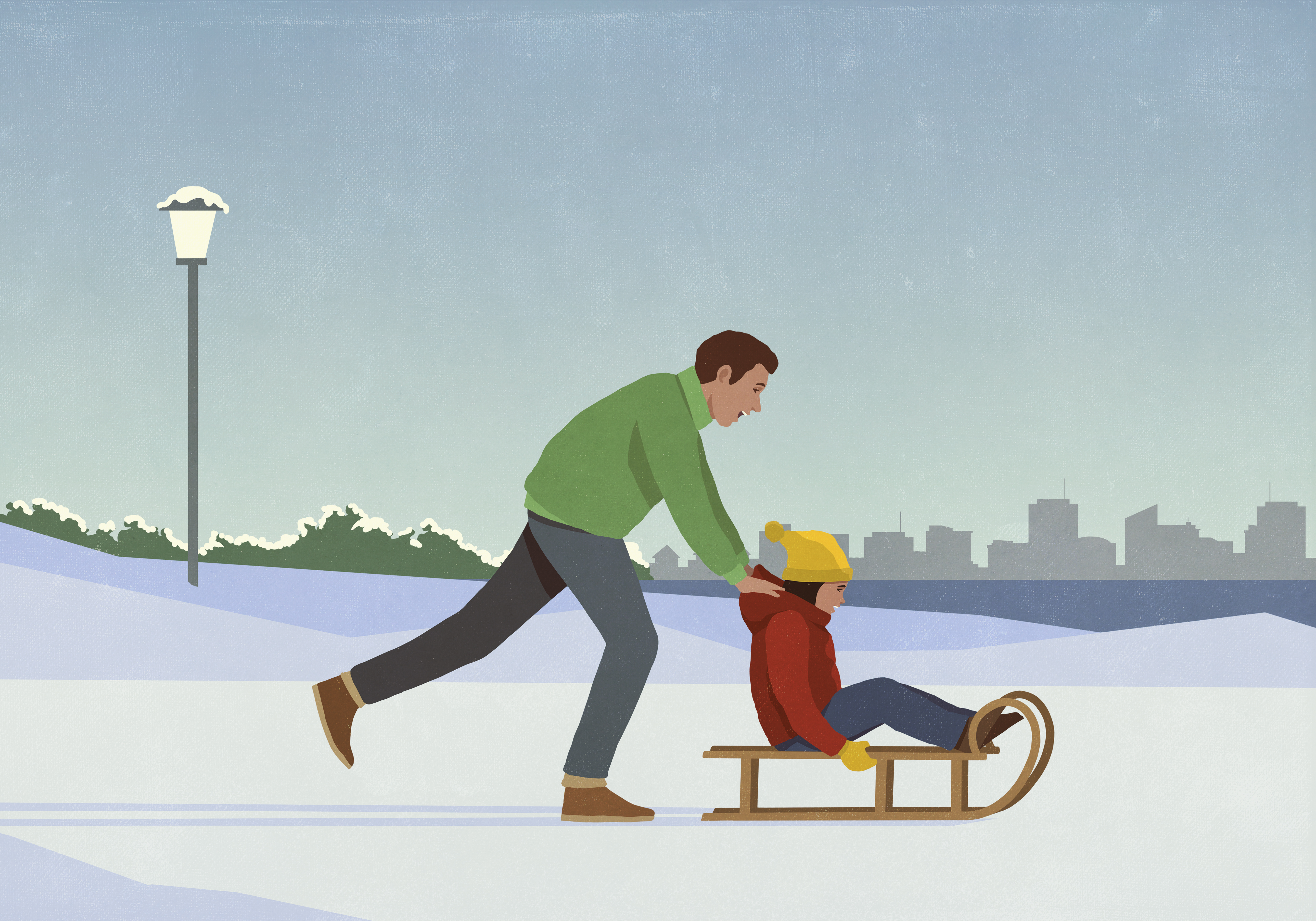
Unlike previous generations who enjoyed unexpected holidays for sledding and snowball fights, today's children are often expected to log in for remote lessons. Activist Melanie Killen captured this sentiment, arguing:
"Snow days should be for sledding,"pointing to a lost opportunity for unstructured winter fun and childhood memory-making.
Consequently, the classic snow day is becoming a relic, raising questions about the balance between academic rigor and the developmental benefits of play and seasonal downtime. This trend reflects broader educational priorities where constant digital access often supersedes traditional breaks. The potential long-term impact on children's social development and connection to seasonal rhythms is a growing concern for parents and educators alike.
Read also
- Blago Becomes Lead Partner of Lviv Fashion Week: What This Means for Ukrainian Designers
- From Johnson’s Memoir to the War of Tomorrow: 5 Must-Read Books Coming in 2026
- Forecaster Didenko Issues Weather Update for July 15: Where Rain Is Expected
- How to Choose a School Backpack: Key Factors for Your Child's Health and Comfort
- A Simple Recipe for Tomato Fertilizer Made from Yeast and Banana Peels
- Custom Door Signs Over Stock Options: How Office and Residential Navigation Is Evolving