Starlings Devour Half the Cherry Crop: The Most Reliable Orchard Protection Methods.

Top Strategies to Save Your Cherry Harvest from Birds
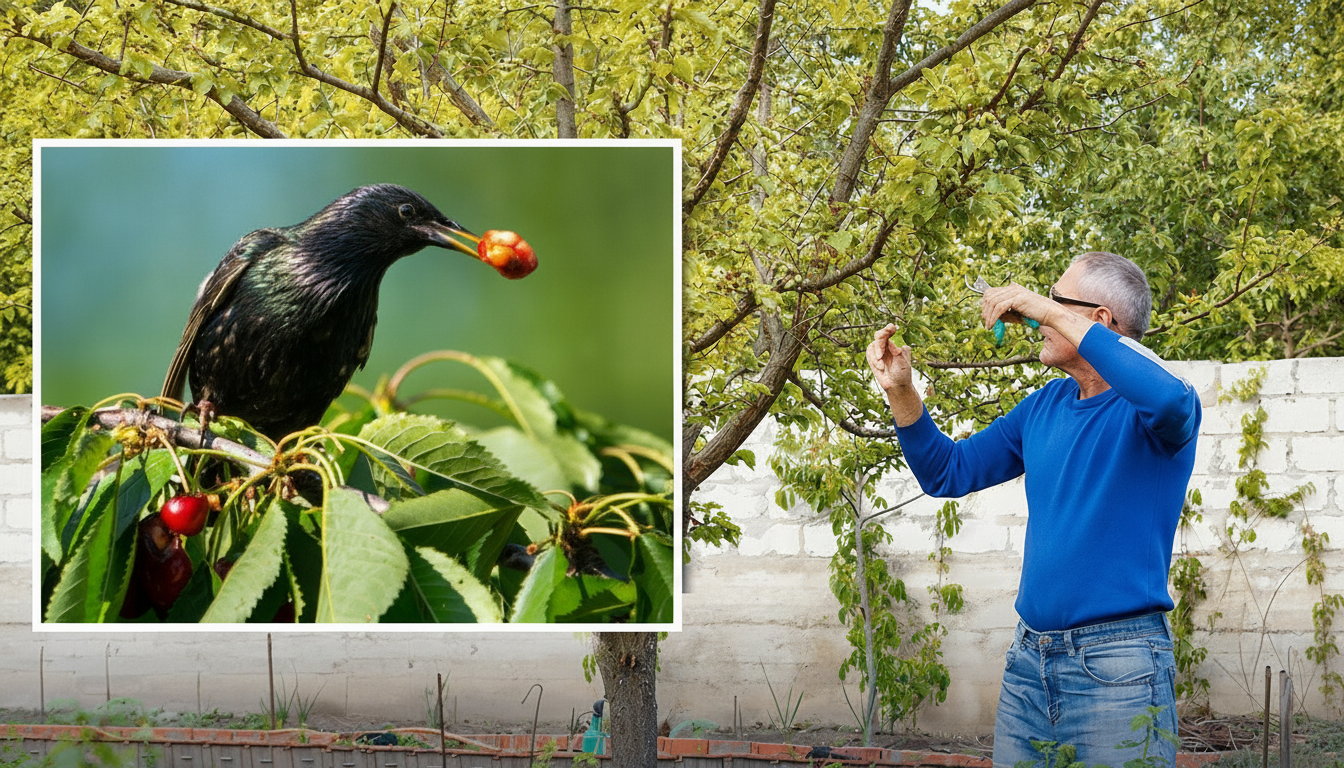
According to Novyny.live: Cherry growers often face devastating losses when large flocks of starlings descend on their orchards, consuming up to half the crop. To combat this threat, farmers employ a range of protective measures, with the following proving especially effective:
- protective netting
- shiny objects
- scarecrows
- frequent harvesting
One of the most common ways to shield cherry trees is by installing protective netting. The best time to set up the net is when the fruit just begins to change color. It is critical that the mesh openings are no larger than 2 cm, as this prevents birds from squeezing through. This method is both straightforward and reliable, since the net creates a physical barrier that keeps starlings away from the fruit.
Additional Protection Techniques
Another approach involves placing shiny objects around the orchard. The glitter and movement can alarm birds, making them perceive a threat. Similarly, scarecrows—especially those with moving parts—are more effective than static ones. The motion creates the illusion of living creatures, which further deters starlings.
Regular harvesting is also a key tactic against starlings. Picking cherries every one to two days reduces the window of opportunity for birds to destroy the fruit. In addition, routine tree pruning helps by creating a more open canopy, making it harder for birds to reach the cherries.
Overall, combining these strategies can significantly improve the chances of preserving a cherry harvest from bird damage. Using protective netting, shiny objects, scarecrows, and maintaining a consistent picking schedule are essential factors in successfully keeping birds at bay.
Protecting cherry yields from birds is a major concern for growers, as losses can have a serious economic impact. The methods described are not only effective but also accessible to most farmers. Given the growing challenges posed by climate change and rising bird populations, agricultural producers must be ready to adapt their techniques to safeguard harvests and ensure stability in the farming sector.
Read also
- From Johnson’s Memoir to the War of Tomorrow: 5 Must-Read Books Coming in 2026
- Forecaster Didenko Issues Weather Update for July 15: Where Rain Is Expected
- How to Choose a School Backpack: Key Factors for Your Child's Health and Comfort
- A Simple Recipe for Tomato Fertilizer Made from Yeast and Banana Peels
- Custom Door Signs Over Stock Options: How Office and Residential Navigation Is Evolving
- Best Haircuts for Thick Hair: Styles That Enhance Your Natural Beauty