Stalin-era Apartments: Weighing the Allure of High Ceilings Against Aging Infrastructure.

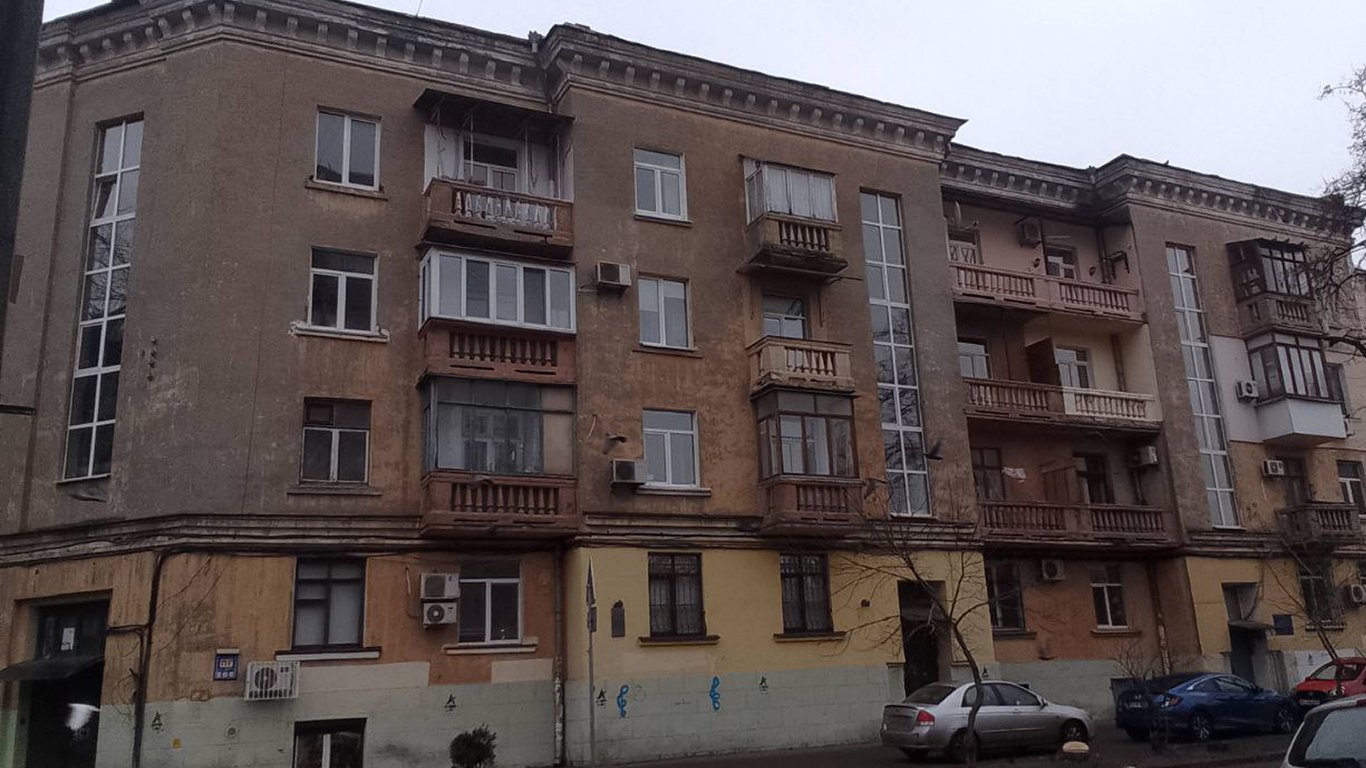
The Enduring Appeal of Stalin-era Buildings
According to Novyny.live: Constructed between 1930 and 1941, apartments known as 'Stalinkas' remain popular with buyers for their distinctive features. These units are prized for their spacious feel, largely due to exceptionally high ceilings that range from 3 to 4 meters. Like any property, however, these historic apartments come with a unique set of advantages and drawbacks that require careful consideration.
Pros and Cons of Stalin-era Apartments
What attracts people to Stalinkas? Their architectural style and generous floor plans often appeal to those who value space and aesthetics. The high ceilings create a unique atmosphere and offer significant potential for creative interior design. Furthermore, these buildings are frequently situated in convenient, well-established neighborhoods, adding to their desirability.
Nevertheless, there are significant downsides to consider. A major drawback is that interior walls are typically not load-bearing, which can complicate renovation plans. The aging plumbing systems may be unable to handle modern demands, posing a potential risk. Additionally, the original wooden floor joists can present challenges when installing heavy modern fixtures, a crucial factor to consider during any remodel.
What should you inspect before moving into a Stalin-era apartment? A thorough pre-purchase inspection is essential. Key areas to evaluate include:
- The condition of all pipes and plumbing
- The state of the walls and their structure
- The integrity of the floors and ceilings
A proper assessment helps ensure comfortable living and minimizes the risks associated with maintaining an older property. For an English-speaking audience, it's useful to note that these apartments are a common feature in many post-Soviet cities, representing a specific period of architectural history.
In summary, Stalinkas can be an excellent choice for those who appreciate space and historic character, but potential buyers must be mindful of the inherent drawbacks. A meticulous inspection prior to purchase is the best way to avoid future complications and unexpected costs.
The continued popularity of these apartments in the real estate market reflects a lasting interest in historical architecture and a desire for spacious living. While they have their peculiarities, their appeal remains strong, particularly among young families and those with an eye for aesthetics. Therefore, a clear understanding of both the potential problems and the advantages can significantly influence a buyer's decision.
Read also
- Blago Becomes Lead Partner of Lviv Fashion Week: What This Means for Ukrainian Designers
- From Johnson’s Memoir to the War of Tomorrow: 5 Must-Read Books Coming in 2026
- Forecaster Didenko Issues Weather Update for July 15: Where Rain Is Expected
- How to Choose a School Backpack: Key Factors for Your Child's Health and Comfort
- A Simple Recipe for Tomato Fertilizer Made from Yeast and Banana Peels
- Custom Door Signs Over Stock Options: How Office and Residential Navigation Is Evolving