From Wardrobe to Garden: How Old Pantyhose Protect Your Harvest.

Giving Old Pantyhose a New Purpose in the Garden
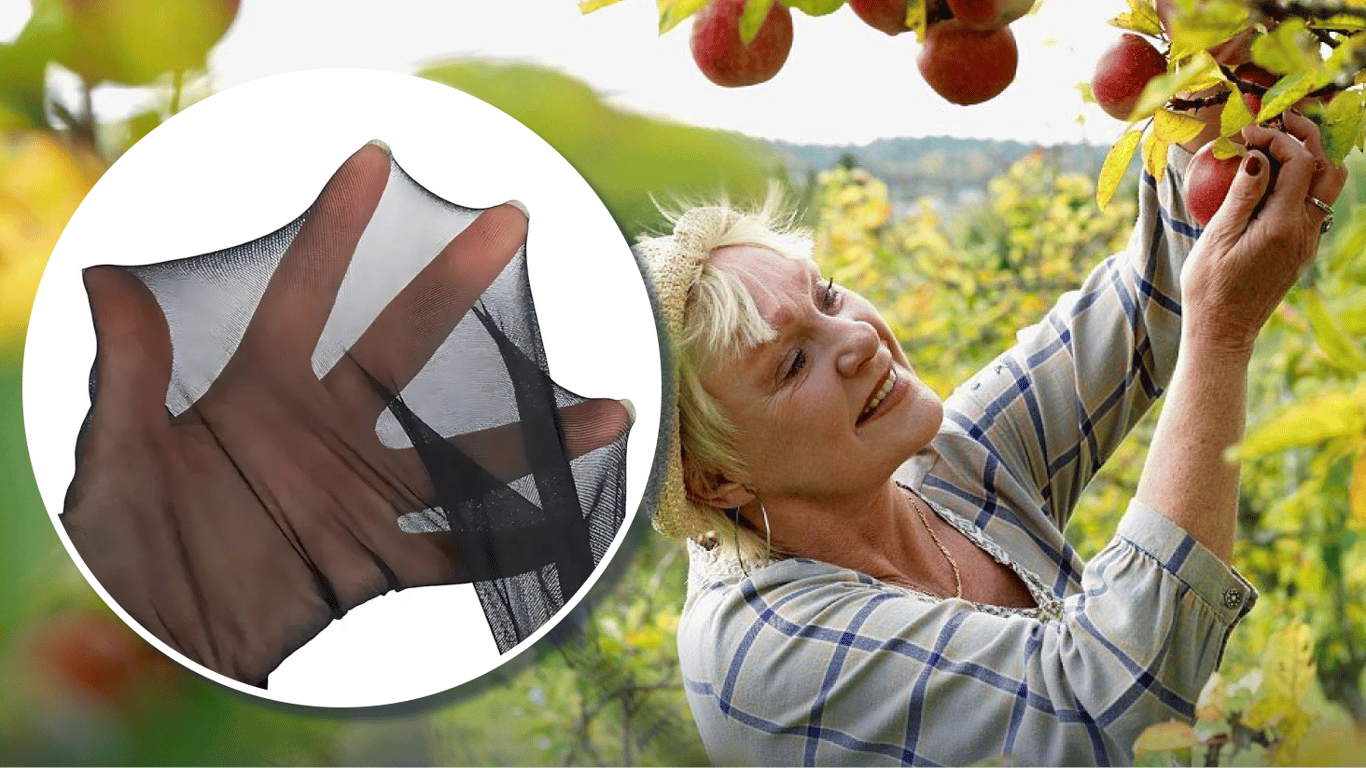
According to Novyny.live: Old nylon pantyhose are finding a second life as a surprisingly effective tool for gardeners, offering protection for fruits and vegetables against rot, pests, and damage from falling. This simple method helps keep produce intact and healthy, a key goal for any grower. This practice is part of a broader trend of creative upcycling, turning everyday household waste into valuable garden aids.
Nylon possesses several beneficial properties that make it ideal for horticultural use. Its elasticity allows it to support stems and heavy fruits without cutting into them or causing injury. The material's strength is sufficient to bear the weight of larger produce like tomatoes and cucumbers. Furthermore, nylon is breathable, preventing a harmful greenhouse effect that can occur with non-porous materials, and its lightness ensures plant branches are not weighed down, promoting healthy growth.
Practical Tips for Using Pantyhose
Before use, pantyhose should be washed without harsh detergents and checked for holes or tears. For staking tomatoes and cucumbers, cut the material into strips 2-3 cm wide for easy and gentle tying. Additionally, onions can be stored in the legs of the stockings, which reduces the risk of mold. This approach offers multiple protective benefits:
- It prevents wasps and other insects from reaching berries;
- It makes it harder for birds to damage grape clusters.
Therefore, repurposing old pantyhose in the garden not only safeguards the harvest but also helps maintain its quality, which is crucial for successful gardening. It's a testament to how traditional materials can solve modern gardening challenges.
This method of material reuse aligns with contemporary environmental trends that emphasize waste reduction and the rational use of resources. Gardeners who implement such innovative solutions not only improve their crop yield but also contribute to sustainable development, an increasingly important consideration globally. In the context of climate change and growing demand for eco-friendly produce, these low-tech methods can become valuable tools in modern horticulture.
Read also
- Blago Becomes Lead Partner of Lviv Fashion Week: What This Means for Ukrainian Designers
- From Johnson’s Memoir to the War of Tomorrow: 5 Must-Read Books Coming in 2026
- Forecaster Didenko Issues Weather Update for July 15: Where Rain Is Expected
- How to Choose a School Backpack: Key Factors for Your Child's Health and Comfort
- A Simple Recipe for Tomato Fertilizer Made from Yeast and Banana Peels
- Custom Door Signs Over Stock Options: How Office and Residential Navigation Is Evolving