Keeping Your Hens Healthy and Productive Through Winter with Warm Mash.

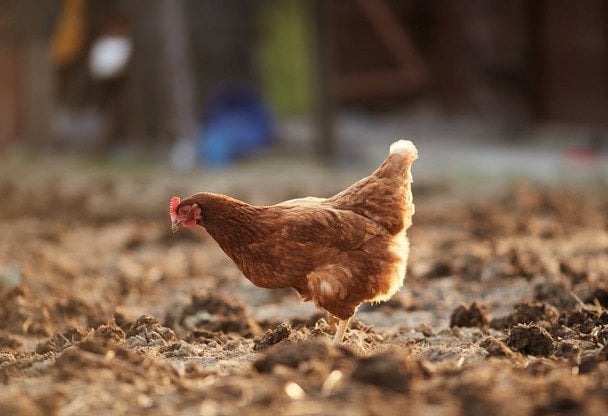
Winter Feeding for Your Flock
According to TSN.ua: Providing proper nutrition is crucial for chickens during the colder months. One highly effective method is preparing a warm mash using vegetable scraps and peels. This type of feed not only aids in digestion but also helps prevent dehydration. It's important to note that raw, hard vegetables are not recommended in winter, as they can adversely affect the birds' health.
Including warm mash in your hens' diet regularly has a direct positive impact on their egg-laying. Hens fed this warm food experience a smaller drop in egg production, and the shells remain stronger. For backyard chicken keepers, this is a simple way to maintain a steady supply of eggs. However, it's vital to remember that any uneaten mash should be removed within 30 to 40 minutes to prevent spoilage.
Recipe for a Nutritious Warm Mash
To prepare this beneficial warm mash, it is recommended to use:
- peels and trimmings from carrots
- beets
- pumpkin
- zucchini
- potatoes
These ingredients should be chopped and boiled until soft. You can then enhance the mix by adding a handful of crushed grain or feed meal, wheat bran, a spoonful of oilseed meal or cake, and a pinch of salt and feed-grade chalk. This mash becomes a vital component of the chickens' diet in cold weather, supplying them with essential nutrients.
In low-temperature conditions, the goal is to sustain both the health and the productivity of your flock. Preparing a warm mash from vegetable scraps is an accessible and economical practice that can significantly influence the overall condition of the birds. This feeding strategy offers a solid foundation for farmers and homesteaders aiming to keep their chickens healthy and active throughout the harsh winter season.
Read also
- Blago Becomes Lead Partner of Lviv Fashion Week: What This Means for Ukrainian Designers
- From Johnson’s Memoir to the War of Tomorrow: 5 Must-Read Books Coming in 2026
- Forecaster Didenko Issues Weather Update for July 15: Where Rain Is Expected
- How to Choose a School Backpack: Key Factors for Your Child's Health and Comfort
- A Simple Recipe for Tomato Fertilizer Made from Yeast and Banana Peels
- Custom Door Signs Over Stock Options: How Office and Residential Navigation Is Evolving