A Finnish Flooring Innovation: 100mm Insulation for Warmth Without Heating Elements.

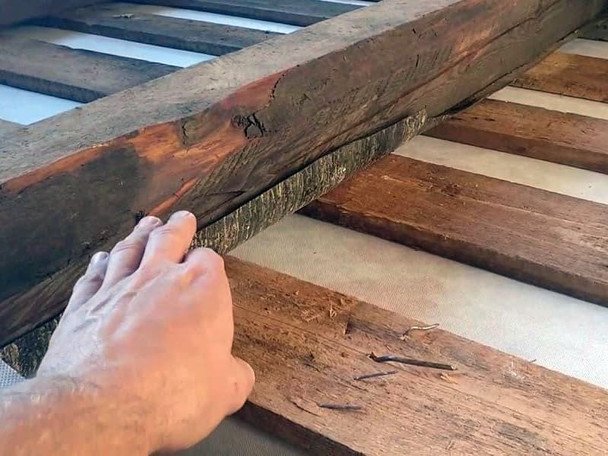
Finnish Flooring: Achieving Warmth Through Superior Insulation
According to TSN.ua: A Finnish method for creating warm, comfortable floors without expensive heating systems is gaining significant traction. This approach relies on a multi-layered construction and highly effective insulation to maintain an optimal indoor temperature. It's a passive design solution that is particularly relevant in colder climates and for those seeking to reduce energy dependence.
The Finnish warm floor system is built to precise specifications. It utilizes massive 200mm joists to provide structural rigidity and reliability. A 100mm layer of insulation, with a density ranging from 90 to 110 kg/m³, is installed to achieve a high level of thermal efficiency. The final step involves laying moisture-resistant chipboard at least 12mm thick, which adds further stability against dampness and mechanical loads.
Key Installation Stages
The installation process for this Finnish technology involves several critical phases:
- Preparing the base, followed by the application of a double layer of stone wool. This material provides excellent thermal insulation and protects against external temperature fluctuations.
- Creating a ventilation layer to prevent moisture accumulation and ensure the floor's long-term durability.
- Installing the final base, which creates a "warm slab" effect, adding substantial comfort to the living space.
This technology not only ensures warmth and coziness but also proves cost-effective over time. The high insulation efficiency reduces energy consumption, leading to significant savings on utility bills. As a result, the Finnish warm floor method is becoming an increasingly attractive alternative to traditional heating systems.
Adopting this Finnish floor insulation technology can be a crucial step for households aiming to cut energy costs, especially amidst rising energy prices. Its advantages are likely to boost its popularity among homeowners seeking economical and efficient solutions for heating their spaces. Given contemporary environmental challenges, the use of such energy-efficient technologies is a vital and relevant aspect of modern construction.
Read also
- June’s Best Fertilizer for Peonies: How to Extend Their Blooming Beauty
- This Summer's Must-Have: Stylists Reveal the Perfect Pairings for a White Skirt
- Boost Potato Yields by 30% with Proper Hilling: Timing and Techniques
- Charlemagne and Roquefort: The Story Behind France's Most Iconic Cheese
- Four Zodiac Signs Set for Good Fortune in June 2026: See Who Makes the Cut
- She Spent $35,000 Fixing Up a Rental She Doesn’t Own: One Tenant’s Story