Agronomists' Warning: Avoid Planting Potatoes After These Three Crops.

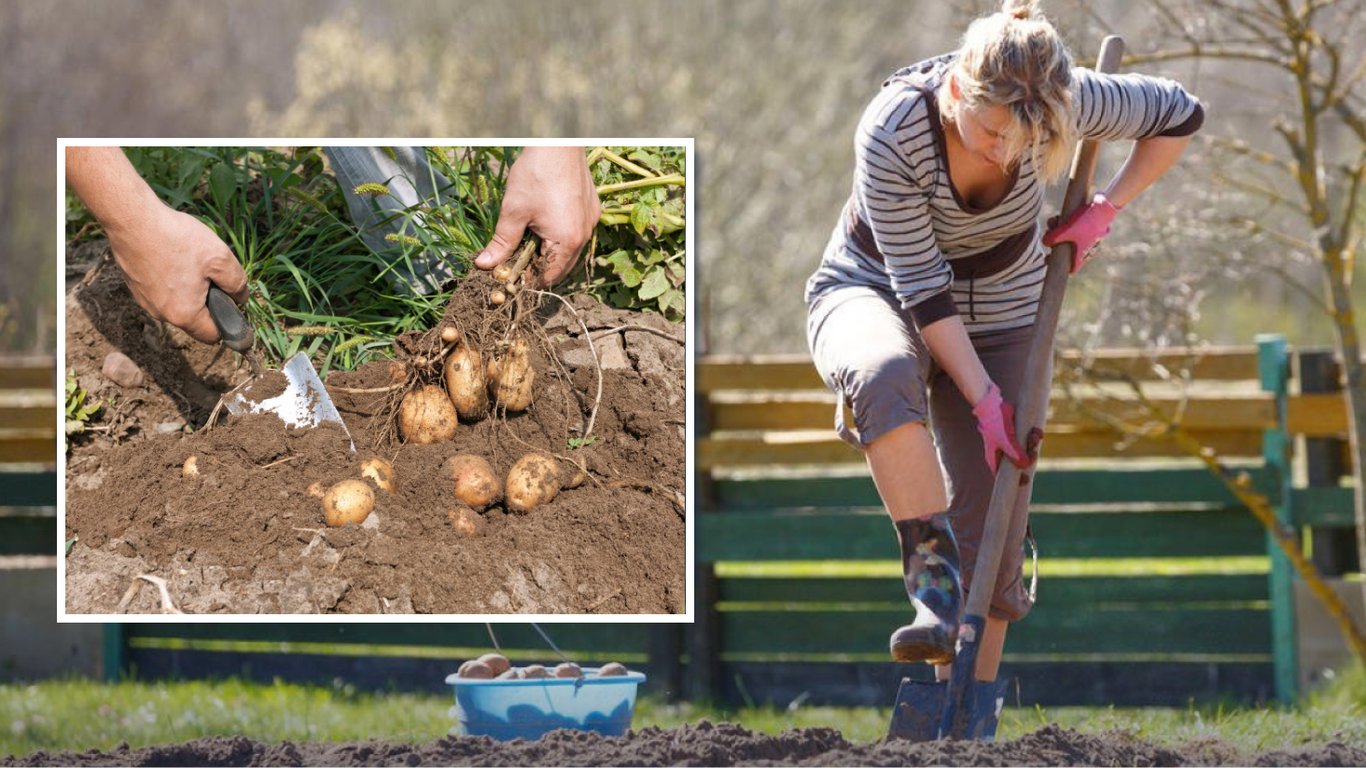
How Previous Crops Affect Potato Cultivation
According to Novyny.live: Careful crop rotation is essential for a successful potato harvest. The plants grown in a bed the previous season can have a significant negative impact on both the quality and yield of your potatoes. For gardeners and farmers, understanding this relationship is key to planning an effective planting schedule.
Specifically, experts advise against planting potatoes after corn, sunflowers, or tomatoes. These three plants either severely deplete the soil of specific nutrients or leave behind harmful pathogens that can attack potato plants.
Corn, with its extensive and powerful root system, heavily drains the soil and can lead to a nitrogen deficiency. As a result, potatoes planted after corn often produce only small, underdeveloped tubers, drastically reducing the harvest. Sunflower is another poor predecessor, as it aggressively absorbs potassium from the soil—a vital element for healthy potato growth. Without sufficient potassium, potato tubers can become watery and of poor quality.
Tomatoes, belonging to the same nightshade family as potatoes, share common diseases and pests. After a tomato crop, soil can harbor spores for blight, alternaria, and other fungal infections that readily transfer to and damage potato plants. Therefore, planting potatoes after tomatoes is strongly discouraged.
Recommendations for Improving Potato Growth
If your garden beds previously grew corn, sunflowers, or tomatoes, you can take several corrective steps to prepare the soil for potatoes:
- Deeply till the soil in the autumn;
- Plant cover crops (green manure);
- Add compost or well-rotted manure;
- Incorporate wood ash into the soil.
These measures will help restore soil fertility and create better conditions for your potato crop. Implementing a thoughtful crop rotation plan is a cornerstone of sustainable gardening and farming practices.
Successful potato cultivation demands careful attention to which crops came before. Awareness of the detrimental effects left by corn, sunflowers, and tomatoes allows growers to plan their plantings more effectively, ensuring healthier potato development. Taking proactive steps to improve soil health mitigates risks and enhances harvest quality, which is crucial for both home gardeners and agricultural productivity.
Read also
- A Simple Recipe for Tomato Fertilizer Made from Yeast and Banana Peels
- Custom Door Signs Over Stock Options: How Office and Residential Navigation Is Evolving
- Best Haircuts for Thick Hair: Styles That Enhance Your Natural Beauty
- Financial and Relationship Shifts Await in July 2026: Which Zodiac Signs Should Prepare
- Zucchini Plants Overrun with Male Flowers: How to Fertilize for a Bumper Harvest
- Aries Set to Be the Week's Biggest Winners: What Retrograde Neptune Has in Store