Why Arborvitae Turn Black in Spring: Key Causes and Rescue Strategies.

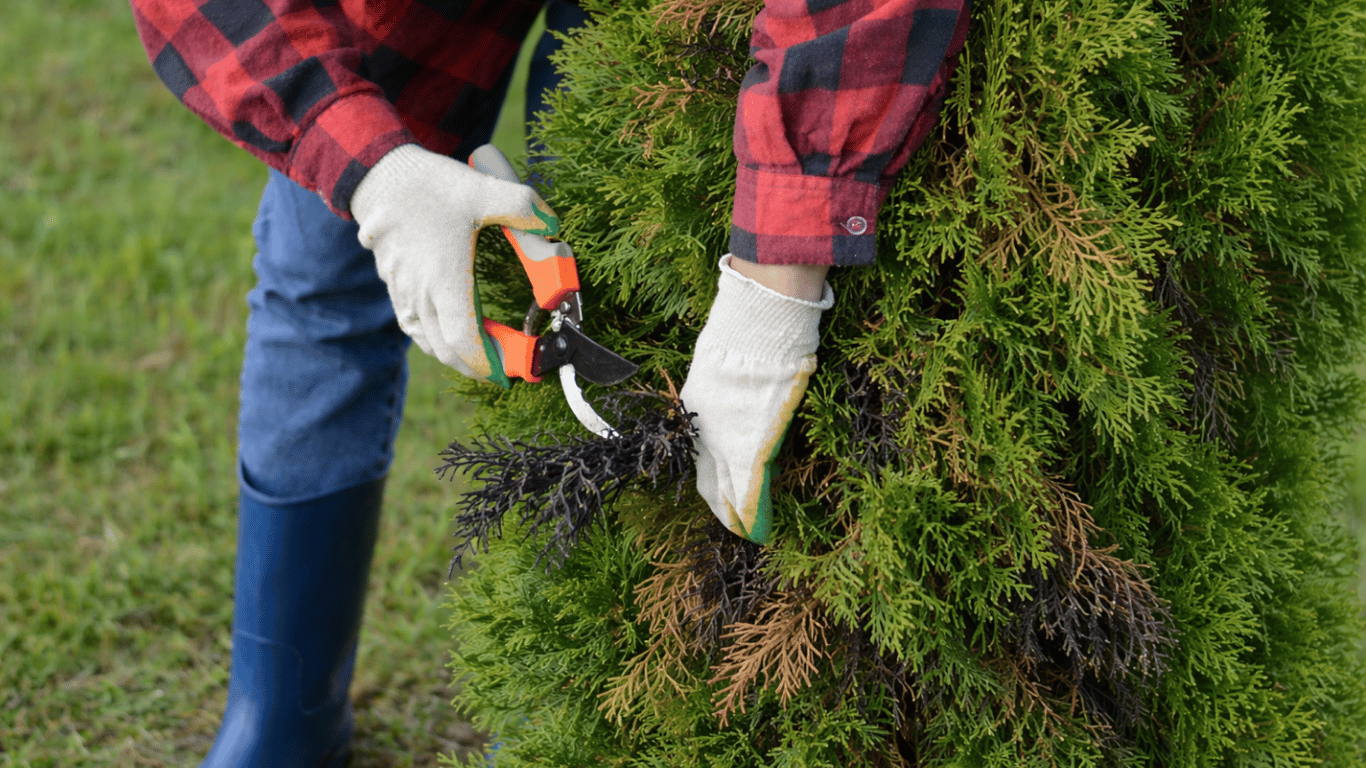
What Causes Arborvitae to Darken
According to Novyny.live: Several factors can lead to arborvitae foliage turning black or brown in the spring. Understanding these causes is essential for gardeners and plant enthusiasts who want to keep their shrubs healthy. The main contributors include:
- natural needle renewal;
- physiological drought;
- nutrient deficiencies;
- soil salinity;
- diseases and pests.
Recognizing these issues early allows for timely intervention to restore the plant’s vitality.
How to Prevent Discoloration
To stop arborvitae from turning black, gardeners can follow a few straightforward yet effective practices:
- Choose a planting site that offers adequate sunlight and shelter from strong winds.
- Water deeply and consistently, especially during dry spells.
- Apply fertilizers formulated for conifers to make up for missing nutrients in the soil.
- Mulch around the base with bark to retain moisture and improve growing conditions.
- Regularly clear out dead needles from the canopy to boost overall plant health and prevent darkening.
Following these steps helps keep arborvitae lush and green, reducing the risk of springtime discoloration.
Darkening of arborvitae is a major concern for gardeners, as these evergreens are widely used in landscaping for their dense foliage and year-round appeal. With climate change and environmental pollution increasingly affecting plant health, knowing how to diagnose and address these problems is crucial. Educated care ensures that these ornamental shrubs remain attractive and resilient over the long term.
Read also
- A Simple Recipe for Tomato Fertilizer Made from Yeast and Banana Peels
- Custom Door Signs Over Stock Options: How Office and Residential Navigation Is Evolving
- Best Haircuts for Thick Hair: Styles That Enhance Your Natural Beauty
- Financial and Relationship Shifts Await in July 2026: Which Zodiac Signs Should Prepare
- Zucchini Plants Overrun with Male Flowers: How to Fertilize for a Bumper Harvest
- Aries Set to Be the Week's Biggest Winners: What Retrograde Neptune Has in Store