Canadians' Cherry Variety 'Helena' Recommended for Ukrainian Planting in 2026: Key Details.

Why 'Helena' Sweet Cherries Are Gaining Traction
According to Novyny.live: Columnar fruit tree varieties are becoming increasingly popular in Ukraine, and the 'Helena' sweet cherry stands out as a top recommendation for planting in 2026. This high-yielding Canadian-bred cultivar is drawing attention from both home gardeners and professional agronomists. As Ukrainian agriculture adapts to shifting climate patterns, compact and resilient varieties like this one offer practical solutions for smaller plots.
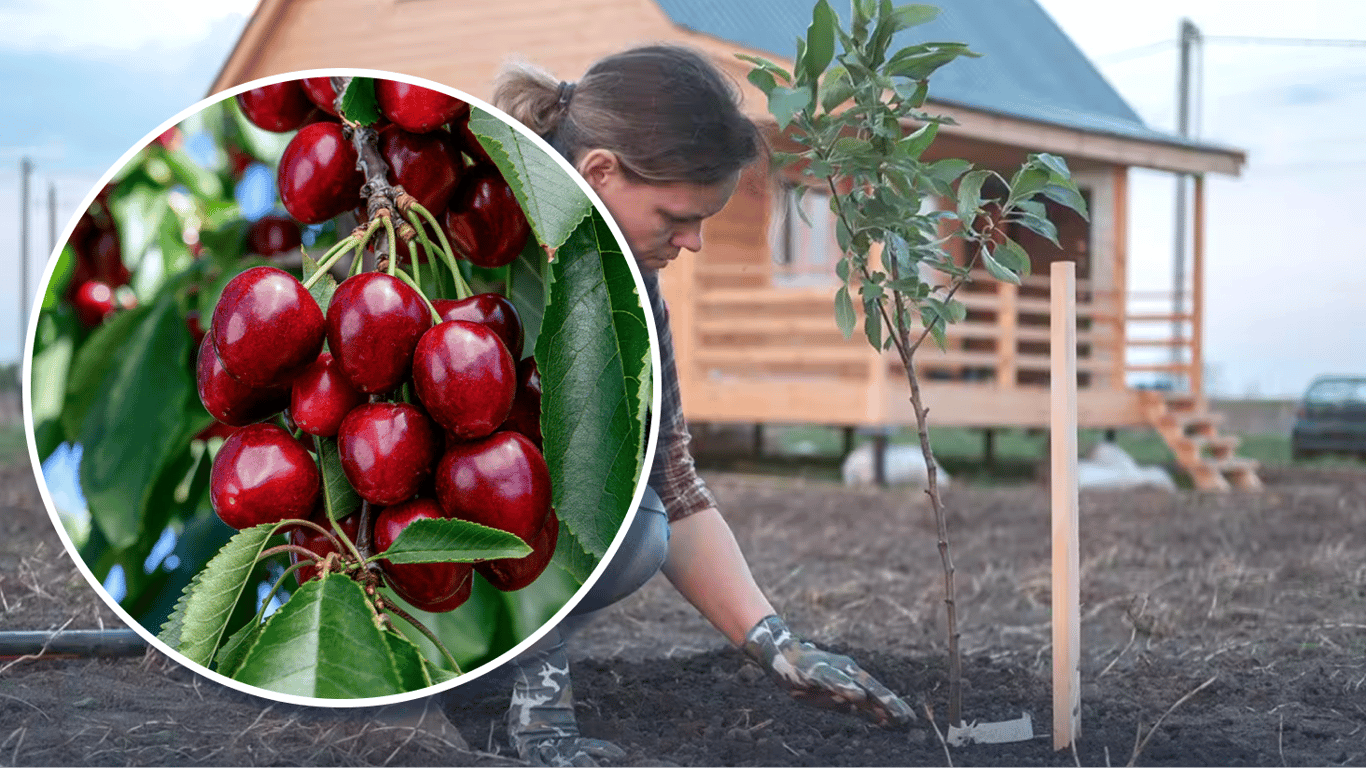
The 'Helena' cherry tree stays compact, reaching just 2 to 2.5 meters in height, making it ideal for limited spaces. Gardeners can expect the first fruit to appear as early as the second or third year after planting—a major advantage for those eager for a quick harvest. The berries weigh between 9 and 13 grams and feature a deep red hue. Classified as a late to mid-late season variety, the cherries are ready for picking from late June through early July.
Distinctive Traits and Growing Tips
A standout feature of the 'Helena' cherry is its self-pollinating nature, meaning no other variety is needed to produce fruit. Its key strengths and characteristics include:
- compact tree structure
- early fruiting
- high frost resistance
- disease tolerance
- large fruit size
- exceptionally sweet flavor
High productivity further boosts its appeal for orchard cultivation.
For successful establishment, plant 'Helena' in a sunny spot on the southern side of your property. The soil should be fertile and well-drained, with no risk of waterlogging. These conditions help ensure a quality, flavorful harvest, making this variety a strong choice for Ukrainian growers.
The rising interest in columnar fruit trees like 'Helena' reflects a broader shift in Ukraine's agricultural practices. Farmers and hobbyists are increasingly turning to compact, high-output plants that thrive on limited land. This trend not only supports food security and yield improvement in resource-constrained settings but also helps mitigate the effects of evolving agro-climatic conditions.
Read also
- Blago Becomes Lead Partner of Lviv Fashion Week: What This Means for Ukrainian Designers
- From Johnson’s Memoir to the War of Tomorrow: 5 Must-Read Books Coming in 2026
- Forecaster Didenko Issues Weather Update for July 15: Where Rain Is Expected
- How to Choose a School Backpack: Key Factors for Your Child's Health and Comfort
- A Simple Recipe for Tomato Fertilizer Made from Yeast and Banana Peels
- Custom Door Signs Over Stock Options: How Office and Residential Navigation Is Evolving