UK Proposes Seizing Russia's 'Shadow Fleet' to Cut Off Kremlin's War Funding.

Discussions at the Munich Security Conference
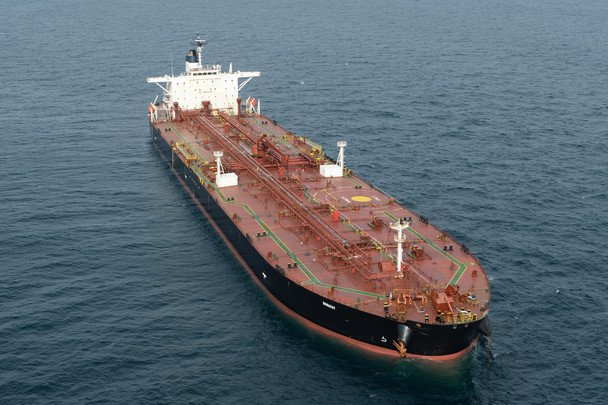
According to TSN.ua: At the Munich Security Conference, UK Defence Secretary John Healey initiated talks on the potential seizure of vessels from Russia's 'shadow fleet'. This move aims to sever financial flows to Russia's war machine, generating significant interest among allied nations. A meeting of the Joint Expeditionary Force underscored the willingness of participating countries to adopt a tougher stance, although a final decision on the matter has not yet been reached.
Threats to International Maritime Shipping
Russia's shadow fleet, comprising roughly 1,500 tankers, poses a substantial threat to international maritime shipping. One example of this fleet's activity was the interception of the vessel Aquila II. According to experts, the volume of crude oil effectively 'stranded' at sea is estimated at 140 million barrels. Concurrently, oil deliveries to Indian ports fell to 1.12 million barrels per day in January, highlighting further disruptions to global energy supplies. This shadow fleet is a key tool for Moscow to circumvent Western sanctions and fund its military operations.
A crucial part of the discussion was the reaction from conference participants. As noted by Hanno Pevkur, the atmosphere and understanding at the conference made it clear to all attendees:
'we need to be more active.' - Hanno Pevkur
This indicates a shared readiness among Baltic and Northern European nations for more decisive action in the face of escalating threats from Russia.
The debate over seizing Russian shadow fleet vessels at the Munich conference underscores the international community's growing alarm over maritime security and the financing of Russia's war effort. Given the scale of the threats posed by this fleet's activities, allied nations are demonstrating a willingness to take active measures in response to the challenges confronting global security. This could lead to new international initiatives aimed at stabilizing the situation in energy supplies and maritime transport.
Read also
- Leadership Style Will Stay the Same Even if Budanov Replaces Yermak, Says Rybachuk
- Ukraine’s Top Commander and NATO General Discuss Air Defense Boost; New 2030 Missile Force Plan Approved
- Explosives Booby-Trap Iran’s Uranium Stockpiles, Complicating Any US Intervention
- Putin Admits Frontline Struggles and Issues ‘Oreshnik’ Threat: New Dangers for Ukraine
- A VPN Surge in Russia: 9.2 Million Downloads in a Single Month Amid Intensified Censorship
- Former Spanish Prime Minister Under Smuggling Investigation After €1.3 Million in Jewelry Found in His Office