A Four-Stage Pest Control Plan for Your 2026 Spring Garden.

Key Stages for Garden Pest and Disease Management
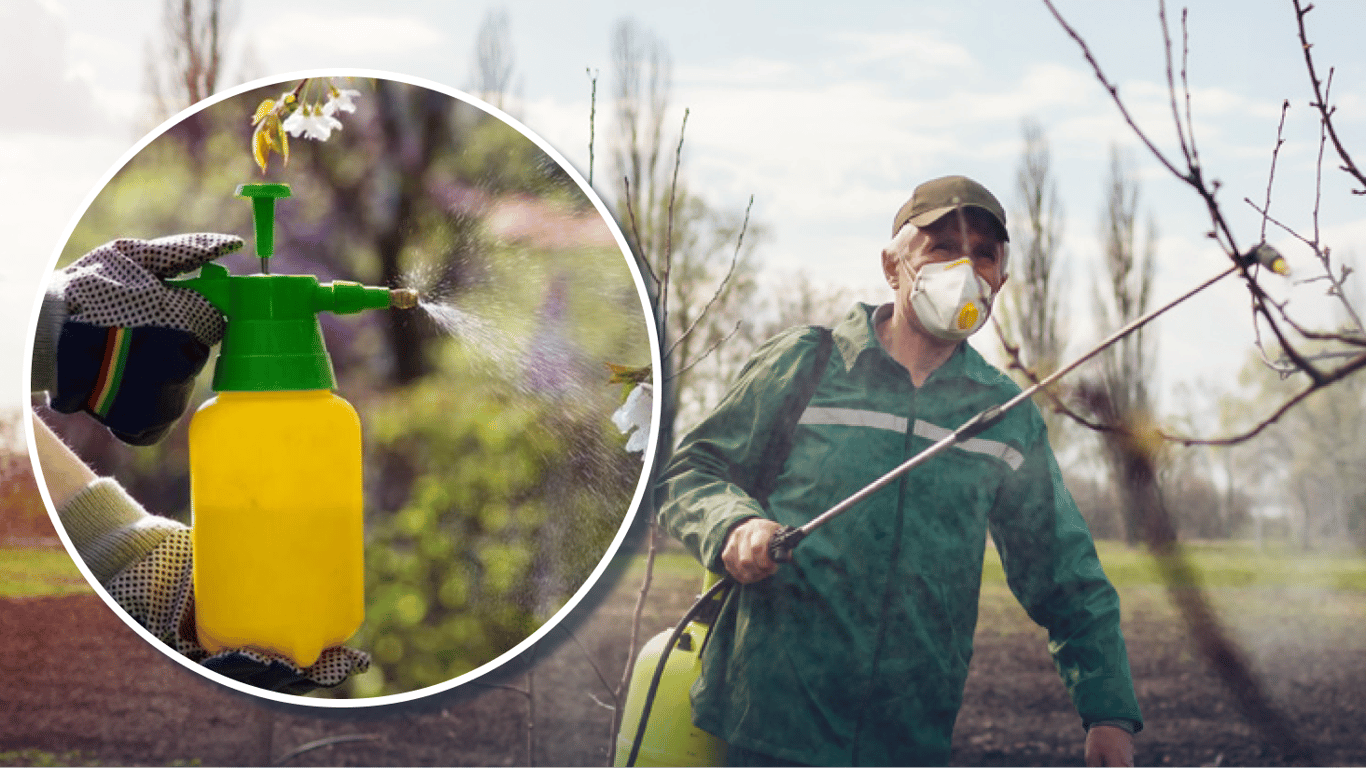
According to Novyny.live: For the 2026 growing season, a successful pest and disease control strategy for fruit trees hinges on four distinct treatment phases, timed according to weather conditions. This sequential approach is designed to provide optimal protection during the trees' most vulnerable periods of active growth. Timing these applications correctly is a cornerstone of integrated pest management.
-
Initial Spraying
The first application should be made before buds begin to swell. Ideal conditions are daytime temperatures around +4°C (39°F), with nights not falling below -5°C (23°F). This early treatment is crucial for targeting overwintering pests and diseases that can cause significant damage as new growth emerges.
-
Second Spraying
The second treatment is timed for when buds start to open. This is a critical window, as the tender new foliage becomes highly susceptible to a range of infections and insect attacks. Adhering strictly to the schedule at this stage is vital for building a strong defense.
-
Third Spraying
Apply the third spray once flower buds are fully formed but not yet open. Proper treatment at this pre-bloom stage can prevent the establishment of pests and pathogens that threaten the crucial flowering period and subsequent fruit set.
-
Fourth Spraying
The final spring application should be carried out immediately after flowering concludes. This stage completes the protective cycle, offering a necessary defense against pests that emerge post-bloom to target the developing fruit.
In 2026, the initial spraying is projected for late March or early April, depending on regional weather patterns. Following this structured plan in sync with spring conditions is key to ensuring a healthy orchard and a successful harvest later in the year.
This schedule is essential for gardeners, as timely intervention directly impacts the quality and quantity of the future harvest.
Observing these recommended treatment windows will significantly reduce risks associated with pests and diseases, a consideration made even more important by increasingly variable climatic conditions. A systematic approach to plant protection will be a decisive factor for successful orchard management in 2026 and beyond.
Read also
- How to Choose a School Backpack: Key Factors for Your Child's Health and Comfort
- A Simple Recipe for Tomato Fertilizer Made from Yeast and Banana Peels
- Custom Door Signs Over Stock Options: How Office and Residential Navigation Is Evolving
- Best Haircuts for Thick Hair: Styles That Enhance Your Natural Beauty
- Financial and Relationship Shifts Await in July 2026: Which Zodiac Signs Should Prepare
- Zucchini Plants Overrun with Male Flowers: How to Fertilize for a Bumper Harvest