A Bountiful 2026 Raspberry Harvest: The Crucial Role of Trenches and Drainage in Spring Planting.

Key Steps for a Successful Raspberry Crop in 2026
According to Novyny.live: Gardeners aiming for a plentiful raspberry harvest in 2026 can achieve excellent results by focusing on proper trench preparation, soil replacement, and diligent care during spring planting. Following a few critical steps is essential for ensuring the plants thrive. Raspberries are a popular fruit for home gardens, but they require specific conditions to produce their best yield.
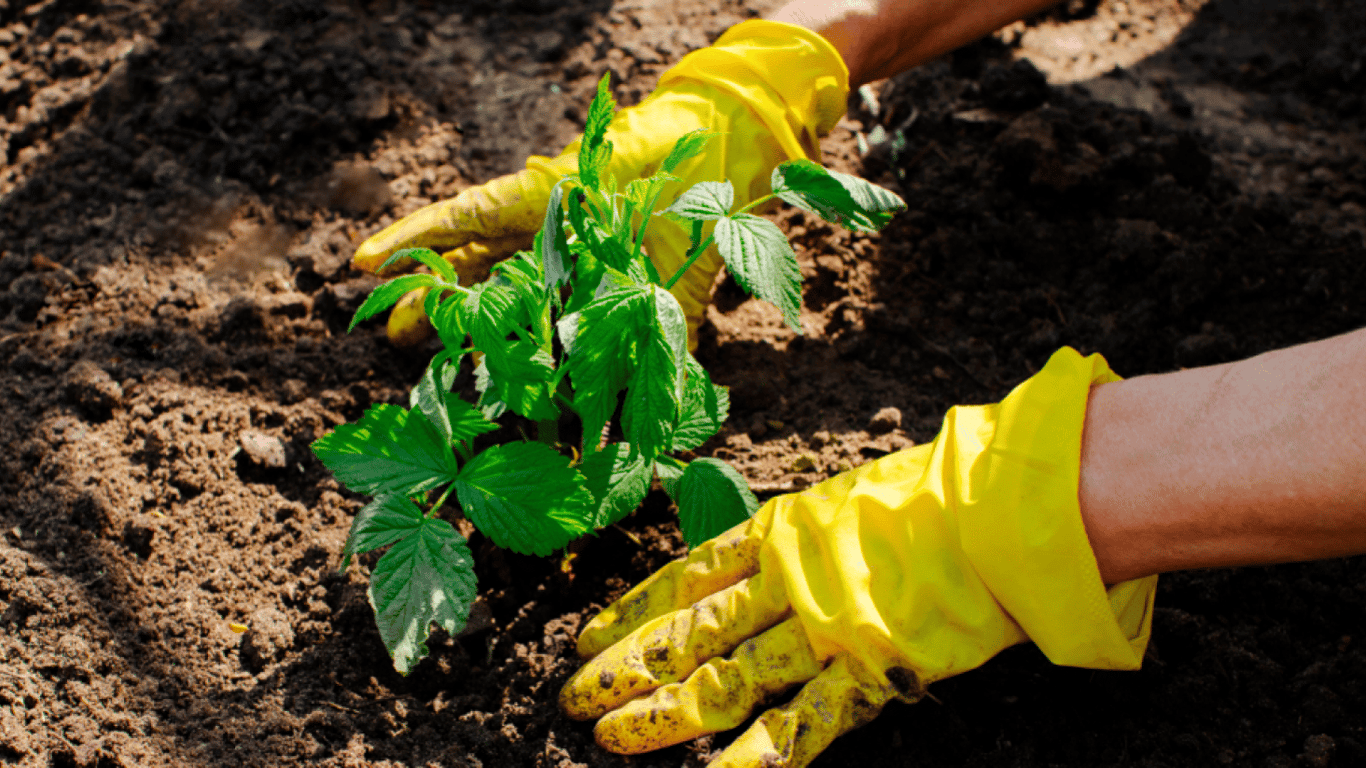
The first step involves correctly preparing the planting trench. This trench should be dug to a depth of 1.5 to 2 shovel spades. This depth provides the plant's root system with ample space to establish and grow. Following this, the shallow top layer of soil should be replaced with a nutrient-rich mixture to encourage vigorous plant development.
Constructing an Effective Drainage Layer
The next crucial phase is constructing a drainage layer at the bottom of the trench. This layer should be built using large branches or stumps, followed by smaller twigs, and finally topped with straw. While raspberries need consistent moisture, they are susceptible to root rot in waterlogged soil; this drainage system helps retain necessary moisture while preventing harmful oversaturation.
After planting the saplings, they should be mulched generously with straw and watered thoroughly. This practice helps maintain soil moisture and protects the young plants from drying out. For additional nourishment, gardeners can use wood ash or grass ash, which supplies valuable nutrients to support growth.
In summary, a successful spring raspberry planting in 2026 hinges on adhering to these core principles:
- Proper trench preparation.
- Construction of a functional drainage layer.
- Consistent and appropriate plant care.
Gardeners who implement these recommendations can look forward to enjoying an abundant harvest in the coming seasons.
Achieving success with raspberries involves more than just following technical steps; it also requires an understanding of local growing conditions. Regional factors like climate, soil type, and water availability can significantly impact the results. Therefore, it is vital for gardeners not only to follow general guidelines but also to adapt them to their specific environment to ensure optimal plant health. The emphasis on correct drainage and nutrition underscores the importance of a holistic approach to cultivation.
Read also
- Blago Becomes Lead Partner of Lviv Fashion Week: What This Means for Ukrainian Designers
- From Johnson’s Memoir to the War of Tomorrow: 5 Must-Read Books Coming in 2026
- Forecaster Didenko Issues Weather Update for July 15: Where Rain Is Expected
- How to Choose a School Backpack: Key Factors for Your Child's Health and Comfort
- A Simple Recipe for Tomato Fertilizer Made from Yeast and Banana Peels
- Custom Door Signs Over Stock Options: How Office and Residential Navigation Is Evolving