Essential Spring Fertilization for Gooseberries: A Three-Stage Guide.

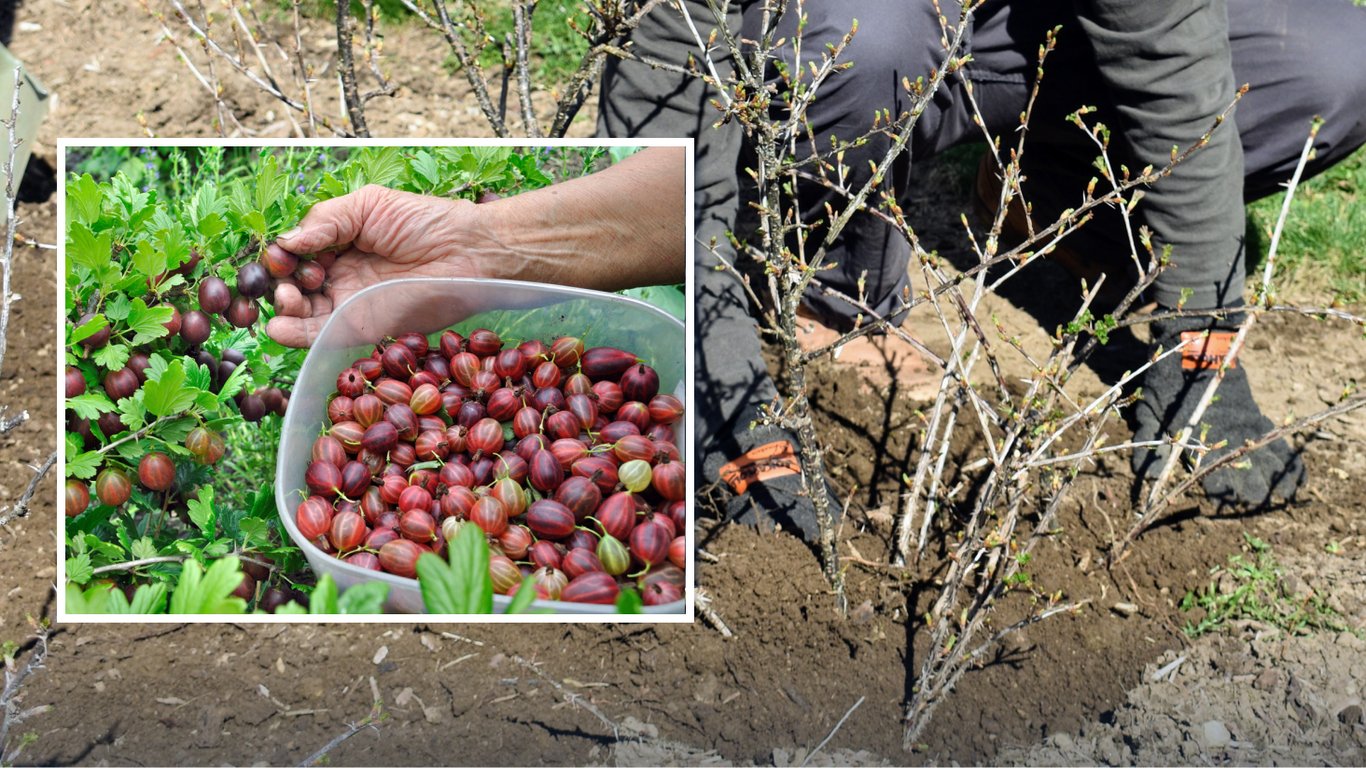
Spring Feeding for Gooseberry Bushes
According to Novyny.live: Proper spring fertilization is a critical component of gooseberry care, structured around three key phases. This process supplies the plant with vital nutrients necessary for vigorous growth and development. For gardeners in temperate climates, this schedule aligns with the plant's natural break from dormancy. The initial feeding, which is crucial for stimulating new growth, should commence in late March or early April.
The Three-Stage Fertilization Schedule
-
The first application is recommended for the final days of March or the start of April. Use 10-15 grams of urea (carbamide) and an equivalent dose of ammonium nitrate, each diluted in 10 liters of water. This provides the nitrogen essential for the formation of new shoots.
-
The second stage follows two weeks after the first. Prepare a mixture of 15 grams of potassium sulfate and 40-50 grams of superphosphate in 10 liters of water. Applying these fertilizers supplies potassium and phosphorus, which promote root system development and enhance the plant's disease resistance.
-
Carry out the third and final feeding at the beginning of May. Apply 30-50 grams of superphosphate along with 15-20 grams of potassium sulfate. This supplementation offers additional support for active growth and the crucial fruit-setting phase.
Correct application is vital to ensure the plant efficiently absorbs all nutrients. It is important to adhere to the recommended dosages and methods to prevent soil oversaturation and create optimal growing conditions for gooseberries. Fertilization should be adjusted according to the plant's specific condition and prevailing weather, which is key to achieving a healthy and abundant harvest.
Spring feeding is a decisive factor that can significantly influence both the future yield and the overall health of the gooseberry plant. By following the suggested timing and application rates, gardeners—from hobbyists to professional horticulturists—can provide their bushes with the ideal environment for optimal growth. This systematic approach is fundamental for anyone aiming to cultivate robust and productive gooseberry plants.
Read also
- A Simple Recipe for Tomato Fertilizer Made from Yeast and Banana Peels
- Custom Door Signs Over Stock Options: How Office and Residential Navigation Is Evolving
- Best Haircuts for Thick Hair: Styles That Enhance Your Natural Beauty
- Financial and Relationship Shifts Await in July 2026: Which Zodiac Signs Should Prepare
- Zucchini Plants Overrun with Male Flowers: How to Fertilize for a Bumper Harvest
- Aries Set to Be the Week's Biggest Winners: What Retrograde Neptune Has in Store