A Guide to Spring Fertilization for Healthy Grapevines and a Bountiful Harvest.

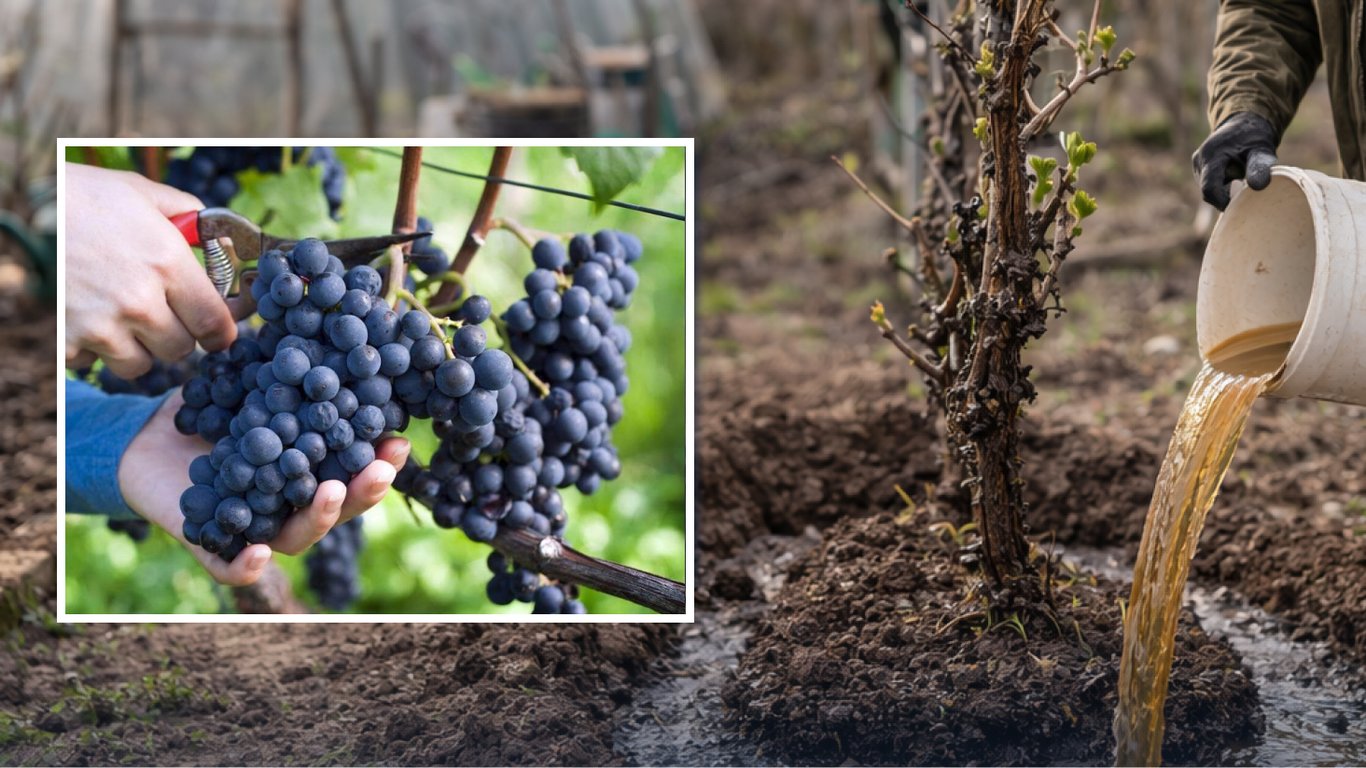
Spring Fertilization for Grapevines
According to Novyny.live: Applying fertilizer in spring is a critical step in grapevine care, as it supplies the plants with essential nutrients for the growing season ahead. The first application should be made in March or April, with a second round following in May or June. Recognizing the specific nutrients grapes require, along with the signs of any deficiencies, is key to maintaining vine health. For home gardeners and vineyard managers alike, a proper spring feeding schedule lays the foundation for the entire year's growth.
Fertilization Guidelines
For the initial spring feeding, the following mixtures are recommended:
- 20 grams of ammonium nitrate per 10 liters of water;
- 10 grams of urea per bucket of water.
These formulas provide a crucial supply of nitrogen, a primary driver of vigorous vine growth and development. The second feeding should consist of 40 grams of nitroammophoska per 10 liters of water, which supplies important phosphorus and potassium. Additionally, wood ash can be used as a supplement: 2 liters of ash mixed into 8 liters of water provides several beneficial trace elements.
The key nutrients necessary for grapevines include:
- Nitrogen;
- Phosphorus;
- Potassium;
- Magnesium;
- Iron;
- Boron;
- Copper;
- Zinc;
- Sulfur.
A shortage of any of these elements can compromise plant health. Visual symptoms on the vines can help identify specific deficiencies:
- Light green leaves often indicate a nitrogen shortage;
- A brown margin on the leaves suggests a potassium deficit;
- Dark green leaves with brown spots can point to a lack of phosphorus;
- Yellowing leaves with green veins are a classic sign of iron deficiency;
- Die-off of growth points may signal a sulfur deficiency.
Therefore, correct spring fertilization is fundamental to ensuring the healthy growth and development of grapevines. Adhering to recommended application rates and vigilantly monitoring for deficiency signs are the best practices for cultivating a high-quality harvest. In modern viticulture, these agronomic practices are recognized as vital for achieving consistent yields. Given increasing climatic variability, timely nutrient management also enhances the overall resilience of the vineyard, supporting both plant vitality and the economic sustainability of grape production.
Read also
- Chanel Leads the Charge as Mint Green Dominates Summer 2026 Fashion Trends
- On July 6, the Moon Makes a Sudden Shift Between Signs—Here’s Where Luck Will Follow
- Six Zodiac Signs Predicted to Strike It Rich This Week, According to Astrologers
- French Perfumer Antoine Maisondieu Reveals the Secret Behind His Ultimate Summer Fragrance, Nice Bergamote
- Cucumbers Under Threat from 30°C Heat: Expert Advice for Gardeners
- Three Zodiac Signs Set for Positive Shifts as the Sun Enters Leo