Avoid These Common Spring Gardening Mistakes for a Better Harvest.

Steer Clear of These Common Spring Gardening Errors
According to Novyny.live: As the gardening season begins, many enthusiasts make avoidable mistakes that can compromise their harvests. Understanding and preventing these common errors can dramatically improve your garden's productivity. This guide outlines the most frequent missteps to help you achieve a more successful and bountiful growing season.
The Most Frequent Spring Errors
The most common mistakes gardeners make in spring include:
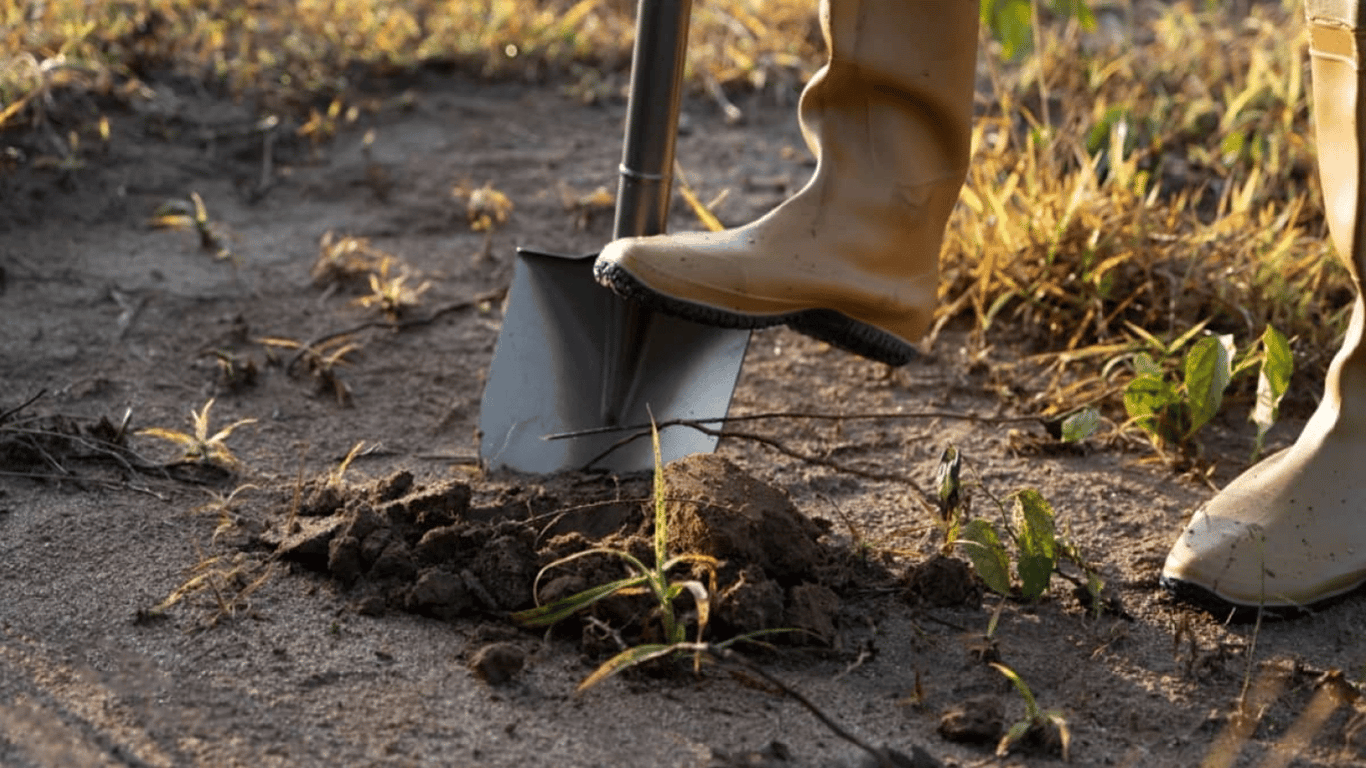
- Over-Tilling the Soil: This compacts the earth and brings weed seeds to the surface, leading to increased competition for resources with your main crops. To avoid this, be cautious with deep tilling and consider alternative soil preparation methods like no-till gardening.
- Skipping Early Fruit Tree Treatment: Early spring presents a key window to effectively destroy fungal spores and pests, safeguarding tree health. Recommended treatments include applying iron sulfate before bud break, Bordeaux mixture at the start of sap flow, and biological preparations once leaves appear.
- Delaying Tree Whitewashing: Whitewashing in April or May provides little benefit. This protective measure must be completed earlier to shield trees from temperature fluctuations and sunscald. Late application can be ineffective or even harmful.
- Burning Garden Waste: This is another widespread error to avoid. The practice is often prohibited and damages both soil health and the broader ecosystem. Gardeners should seek alternative, environmentally safe methods for disposing of plant debris, such as composting.
Awareness of these pitfalls and following the recommendations to avoid them can significantly enhance the outcome of your spring gardening efforts. Timely action on these issues allows gardeners to foster a healthy and abundant harvest.
Recognizing and steering clear of the common mistakes outlined here can have a substantial impact on your garden's yield. Proactive care for your soil and plants not only preserves the health of your crops but also contributes positively to the local environment. For many home gardeners, adopting these practices is a key step toward a more sustainable and productive plot.
Read also
- Blago Becomes Lead Partner of Lviv Fashion Week: What This Means for Ukrainian Designers
- From Johnson’s Memoir to the War of Tomorrow: 5 Must-Read Books Coming in 2026
- Forecaster Didenko Issues Weather Update for July 15: Where Rain Is Expected
- How to Choose a School Backpack: Key Factors for Your Child's Health and Comfort
- A Simple Recipe for Tomato Fertilizer Made from Yeast and Banana Peels
- Custom Door Signs Over Stock Options: How Office and Residential Navigation Is Evolving