The Cost of Conflict: Assessing Iran's Ammunition Stockpile and Missile Supply.

The Escalating US-Israel-Iran Confrontation
According to Vox - Загальний: Tensions are rising in the ongoing conflict between the United States, Israel, and Iran, fueled by massive ammunition expenditures, evolving tactics, and mounting casualties. Former President Donald Trump has asserted that the joint US-Israeli aerial campaign against Iran will persist until the nation surrenders. This stance underscores a significant hardening of Western policy towards Tehran.
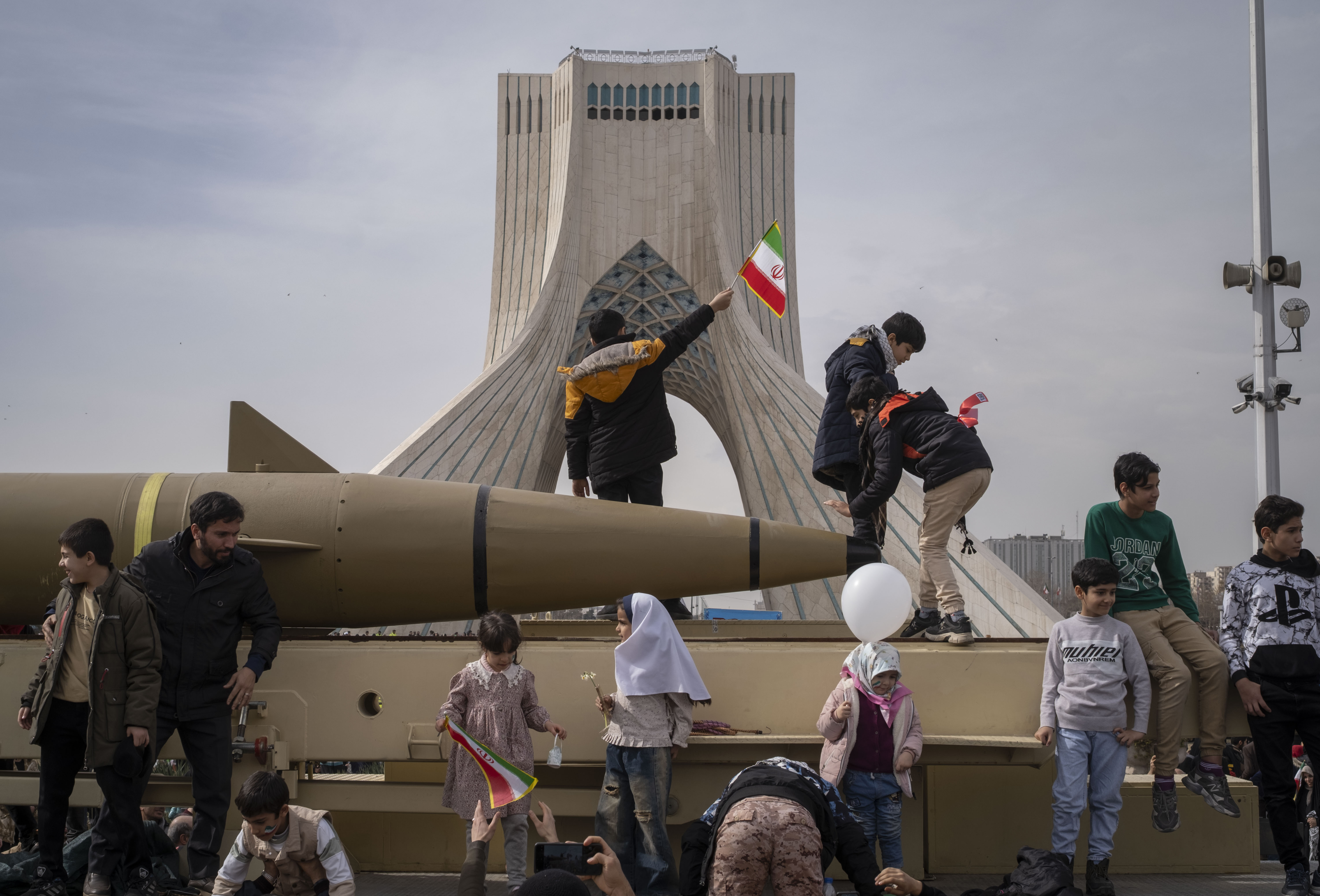
In retaliation for US and Israeli actions, Iran has launched thousands of missiles and drones targeting 13 countries, resulting in a minimum of 43 fatalities. Within Iran itself, attacks attributed to the US and Israel are reported to have killed over 1,200 people. However, since the conflict began, Iran's rate of missile launches has plummeted by 90%, and its drone launches have fallen by 83%. Prior to the war, Iran's arsenal held an estimated 2,000 to 3,000 missiles, while its wartime drone production capacity was assessed at roughly 10,000 units per month.
Financial Burden and Wider Implications
The financial toll of the fighting is immense, with the United States alone spending approximately $2.4 billion on Patriot interceptor missiles in just the first five days of the war. This conflict highlights a critical intersection of military strategy and economic endurance, impacting all parties involved. The sustainability of such expenditure is a major concern for defense planners.
Key analyses indicate that the war has evolved into both a military and an economic struggle. A central, unresolved question is how long Iran can sustain its rate of fire as hostilities continue. The numerical data reveals a conflict with severe consequences for every participant in these military operations.
This confrontation illustrates the complexity of modern warfare, where combat operations are inextricably linked with economic repercussions that can profoundly affect regional stability.
The sharp decline in Iran's missile and drone launches may signal a depletion of resources, though the situation remains fluid and future actions could drastically alter the balance of power. Monitoring developments is crucial, as the outcome of this conflict could have far-reaching implications for global security and international relations.
Read also
- 50% Tariffs Imposed by Trump on Canadian Goods: Automobiles, Alcohol, and Dairy Hit Hard
- Trump Denies Netanyahu Arrest in US as ICC Warrant Looms Over Israeli PM’s UN Visit
- What Trump and the UK’s New Prime Minister Discussed in Their First Call
- Iran Faces US-Israel Ultimatum: Accept a Ceasefire or Prepare for Joint Military Action
- Iran Crisis Deepens: Why a Military Solution Is Inevitable, According to an Expert
- Why Rubio’s Call to Protect Shipping in the Strait of Hormuz Matters for Global Security