Should You Turn Off Your Wi-Fi at Night? Impacts on Sleep, Anxiety, and Battery Life.

The Nightly Wi-Fi Shutdown: Examining Effects on Sleep, Anxiety, and Phone Charge
According to Novyny.live: This article explores the potential benefits of powering down your home Wi-Fi router overnight. A primary consideration is the electromagnetic radiation emitted by smartphones when connected to Wi-Fi. Disabling the wireless signal can reduce exposure to this radiation, a factor of interest to those concerned about their well-being. This practice has gained traction as people seek to create a more restful bedroom environment.
Potential Benefits of Turning Off Wi-Fi Overnight
- Reduced electromagnetic field (EMF) exposure
- Improved sleep quality
- Decreased anxiety levels
- Extended smartphone battery life
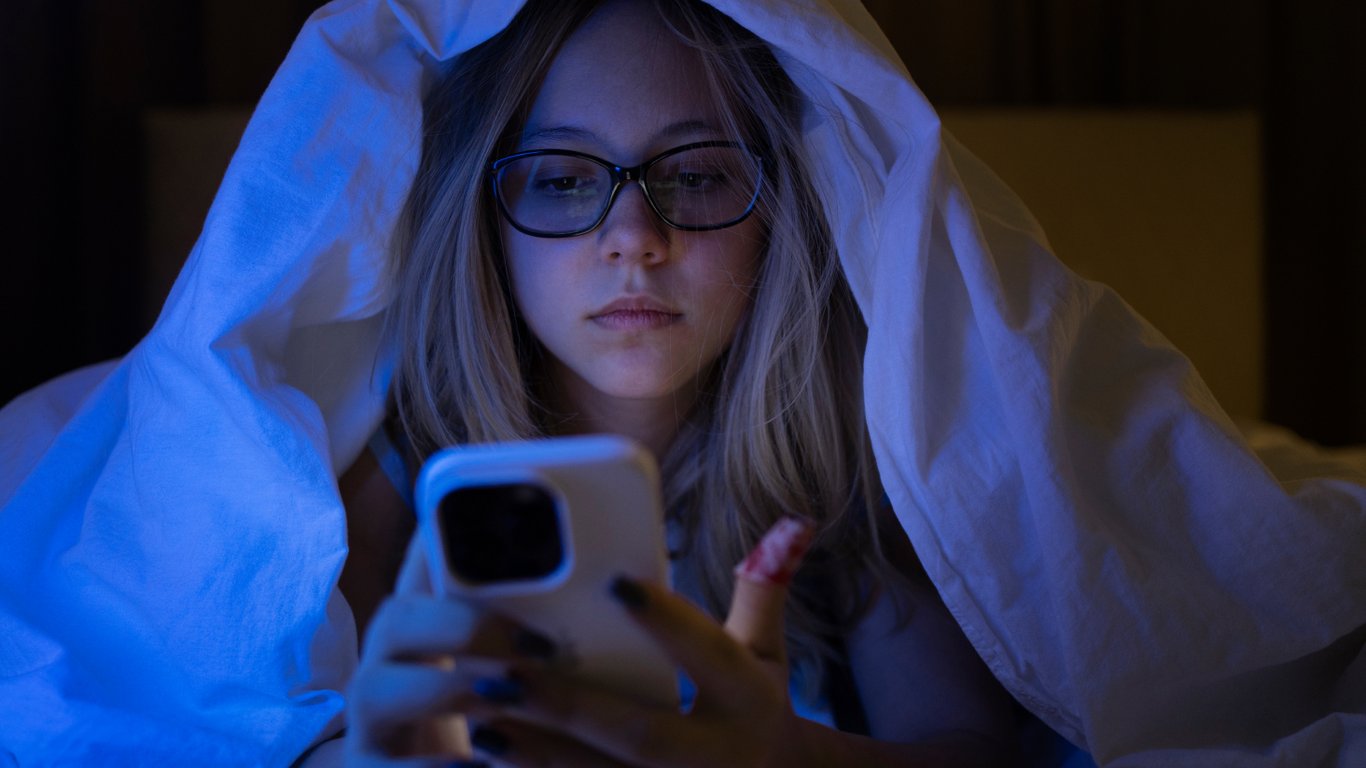
Many individuals report that disabling their wireless network helps them fall asleep faster and achieve deeper sleep. This improvement in rest can have a positive effect on the nervous system, potentially lowering feelings of anxiety. The concept of a 'digital sunset' is increasingly discussed in wellness circles for these very reasons.
Another significant advantage is the conservation of your smartphone's battery. Turning off Wi-Fi overnight preserves energy, which is especially useful for heavy daily users. Furthermore, a weak Wi-Fi signal, often caused by poor router placement or default settings, can lead to unstable connections. This instability provides another practical reason to switch off the router during sleeping hours.
In summary, powering down your Wi-Fi at night may offer several advantages, including lower EMF exposure, better sleep, reduced anxiety, and battery savings. These factors make it a practice worth considering for anyone looking to enhance their personal wellness and sleep hygiene.
Turning off Wi-Fi overnight has become a common habit for users aiming to improve sleep and minimize electromagnetic exposure. This topic highlights important health considerations in our modern, technology-saturated world, where electronic devices are integral to daily life. While individual responses may vary, such recommendations can be a useful part of a broader strategy for managing digital well-being.
Read also
- Blago Becomes Lead Partner of Lviv Fashion Week: What This Means for Ukrainian Designers
- From Johnson’s Memoir to the War of Tomorrow: 5 Must-Read Books Coming in 2026
- Forecaster Didenko Issues Weather Update for July 15: Where Rain Is Expected
- How to Choose a School Backpack: Key Factors for Your Child's Health and Comfort
- A Simple Recipe for Tomato Fertilizer Made from Yeast and Banana Peels
- Custom Door Signs Over Stock Options: How Office and Residential Navigation Is Evolving