Companion Planting for Currants: A Guide to Deter Aphids.

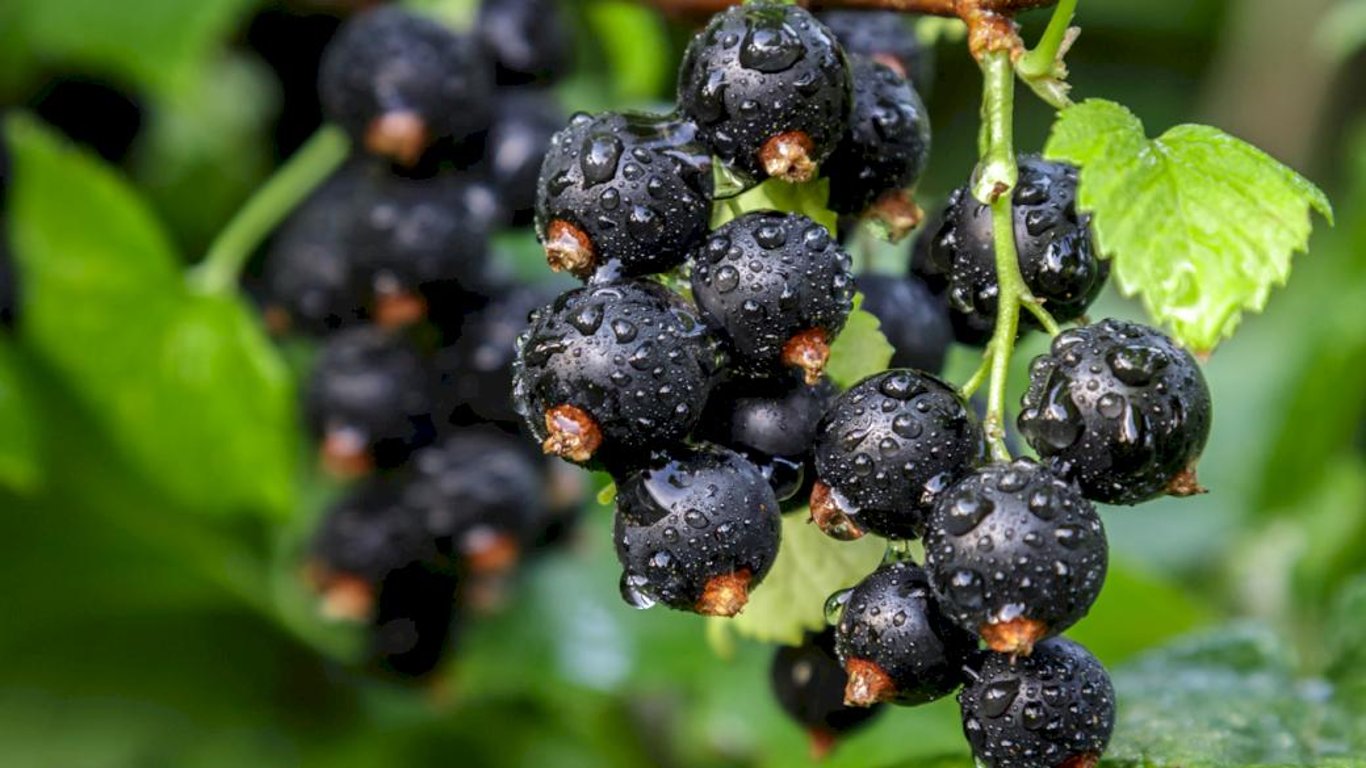
Protecting Currant Bushes from Aphids
According to Novyny.live: For gardeners, safeguarding currant bushes from aphid infestations is a crucial step to ensure a healthy and bountiful harvest. This guide outlines the principles of companion planting, a natural method to repel these pests by strategically choosing neighboring plants.
Beneficial Companion Plants for Currants
Which flowers should be planted near currants? Fragrant flowers and herbs are excellent choices, including:
- marigolds
- chamomile
- asters
- daisies
- mint
- oregano
- yarrow
- tansy
These plants not only beautify the garden but also act as a natural line of defense against pests.
Which vegetables grow well alongside currants? Suitable vegetable companions include:
- garlic
- onions
- tomatoes
- parsley
- basil
- spinach
These vegetables support the currant's growth and can help reduce pest populations, making them valuable allies in the garden.
Plants to Avoid Near Currants
What should not be planted near currants? It is not recommended to plant the following in close proximity:
- raspberries
- gooseberries
- black currants
- white currants
These plants can negatively impact the health of red or other currant varieties and may encourage the spread of aphids.
Selecting the right companion plants can significantly boost currant yields and protect the bushes from harmful insects. This practice, known as companion planting, is a cornerstone of sustainable horticulture. By making informed choices about plant neighbors, gardeners can promote a healthier ecosystem, reduce reliance on chemical pesticides, and improve the overall vitality of their currant crop. This approach is particularly relevant for home gardeners seeking effective, organic solutions.
Read also
- Blago Becomes Lead Partner of Lviv Fashion Week: What This Means for Ukrainian Designers
- From Johnson’s Memoir to the War of Tomorrow: 5 Must-Read Books Coming in 2026
- Forecaster Didenko Issues Weather Update for July 15: Where Rain Is Expected
- How to Choose a School Backpack: Key Factors for Your Child's Health and Comfort
- A Simple Recipe for Tomato Fertilizer Made from Yeast and Banana Peels
- Custom Door Signs Over Stock Options: How Office and Residential Navigation Is Evolving