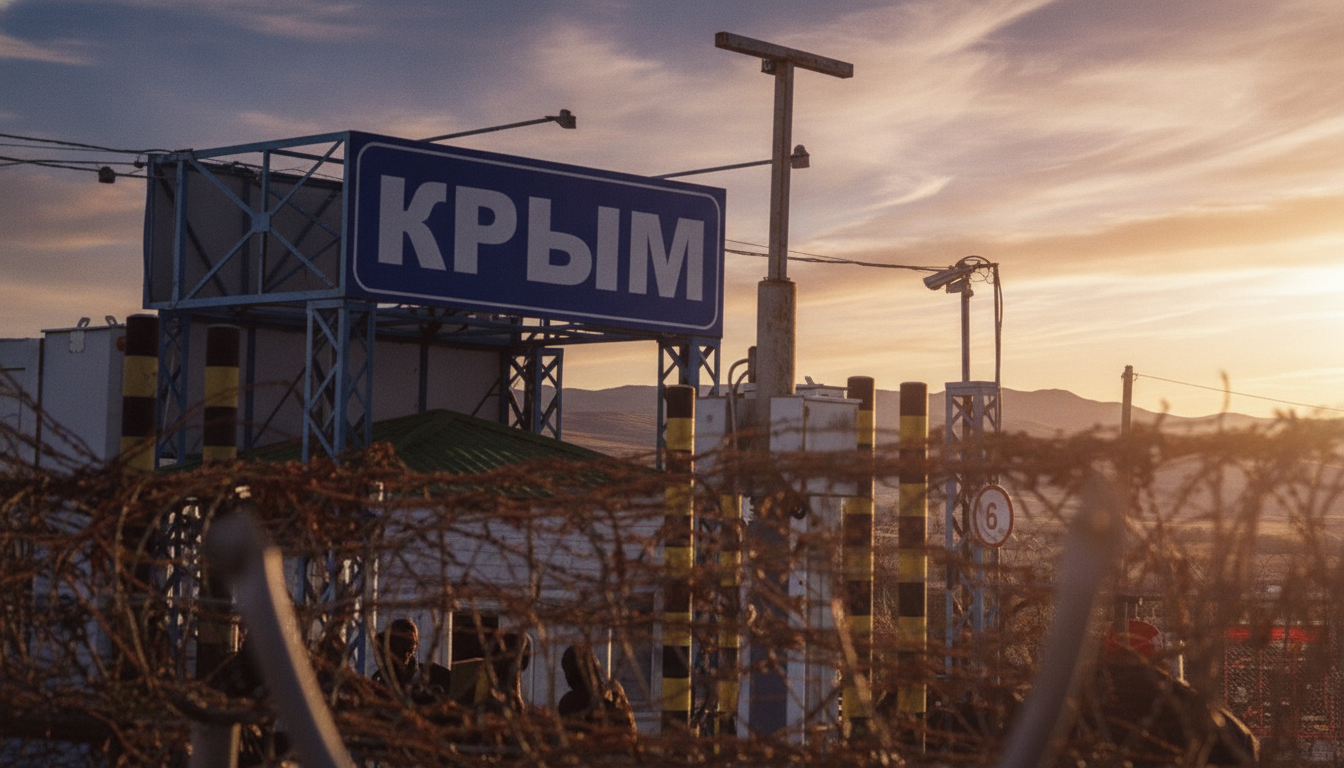
Kuleba on the end of the war: a ceasefire is possible in 2026.

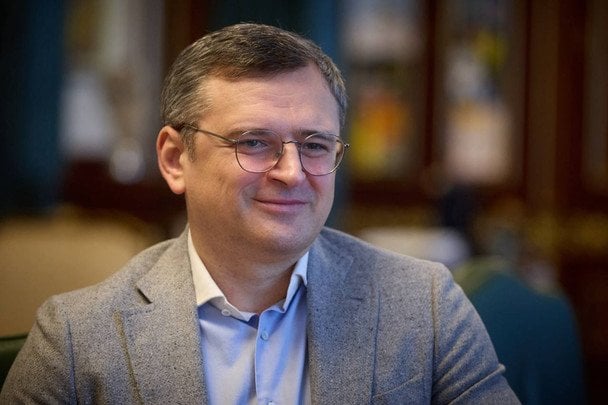
According to ТСН: Former Ukrainian Foreign Minister Dmytro Kuleba believes that ending the war by 2026 is unlikely. However, he does not rule out the possibility of agreements on a ceasefire. In his opinion, the realization of this scenario is only possible under the emergence of a specific combination of positive and negative motivations from the parties involved in the conflict, which currently does not exist.
“Ending the war (by 2026) — no. A ceasefire — there is (a chance),” Kuleba said in response to a question about the likelihood of ending hostilities during this period.
Kuleba noted that a ceasefire does not guarantee an immediate silence but rather changes the nature of the confrontation.
“We see the recent story with drones seemingly launched from Ukraine attacking Putin's residence in Valdai. This is how the ceasefire regime will work,” the diplomat noted.
According to the former foreign minister, any war only ends when all parties have the necessary motivation, which he divided into positive and negative.
“Positive motivation — I basically achieved what I wanted, I am satisfied for now, we stop. Negative motivation — pressure from partners, internal difficulties, when I can no longer continue, I need to take a break, clean my feathers, or relieve the pressure from a partner forcing me to act,” emphasized the ex-minister.
He cited the situation in the Middle East, where a ceasefire between Israel and Hamas emerged due to these two factors. However, Kuleba noted that currently, in the context of the Russian-Ukrainian war, “there are no combinations of these motivations.”
Earlier, the diplomat expressed the opinion that windows of opportunity for activating the negotiation process could arise in February-March or the summer of 2026, but the overall process could take until winter.
Thus, Kuleba's forecasts indicate that while the conflict will not end anytime soon, the possibility of agreements on a ceasefire leaves hope for some progress. The situation remains complex, and much depends on the dynamics of changes in the motivations of all parties.
Read also
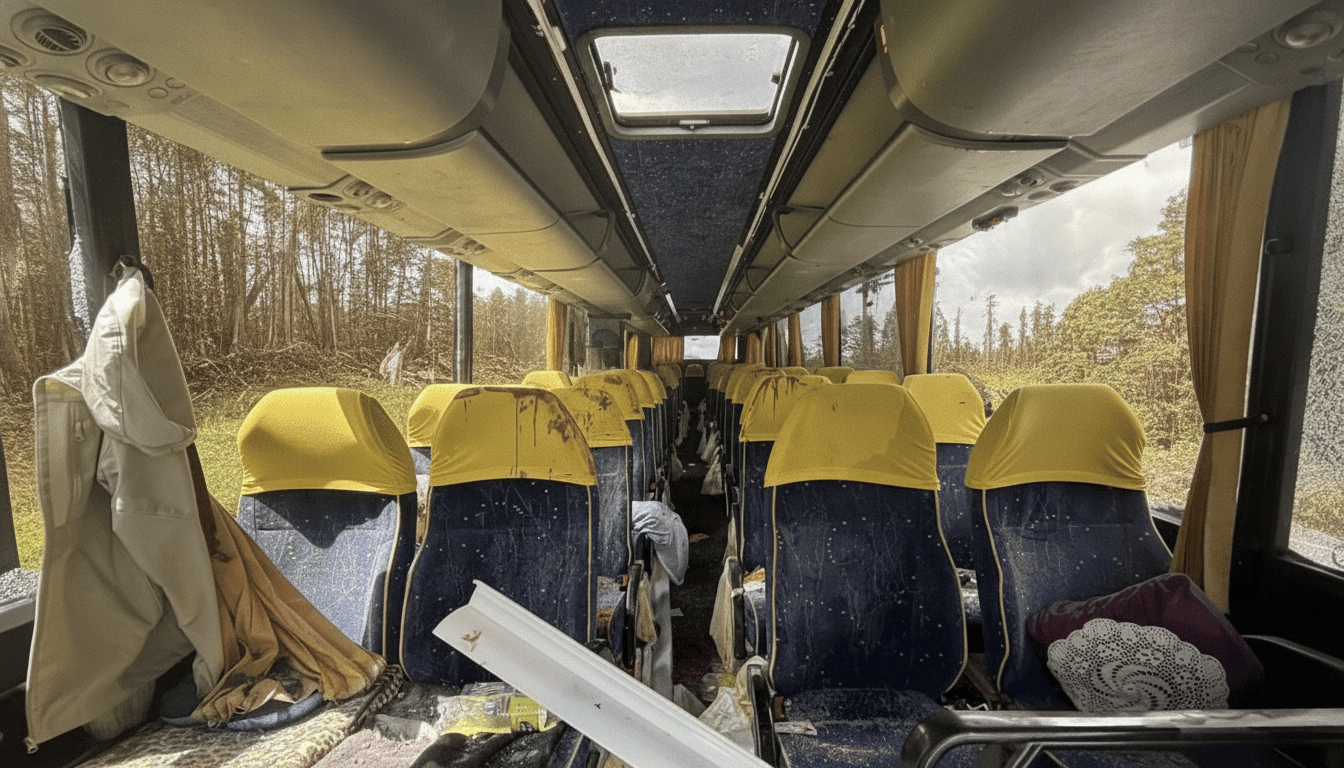
- Intercepted Russian Document Contradicts Claims of Drone Strike on Bus Carrying Belarusians, Says Ukraine's SBU
- Ukraine's Parliament Rejects Seven Motions on 2026 Budget: What It Means for Defense and Energy
- At the G7, Trump Proposed Backing Ukraine in Exchange for Iran Cooperation
- Faith and Politics: A Look Inside Vice President Vance's New Book
- Supreme Court Rejects Vovk’s Reinstatement: What This Means for Judicial Reform
- Evacuation Deadline June 21: What We Know About Officials Fleeing Crimea