How to Protect Your Garden's Soil and Plants from Winter Salt Damage.

Saving Your Garden from the Harmful Effects of De-icing Salt
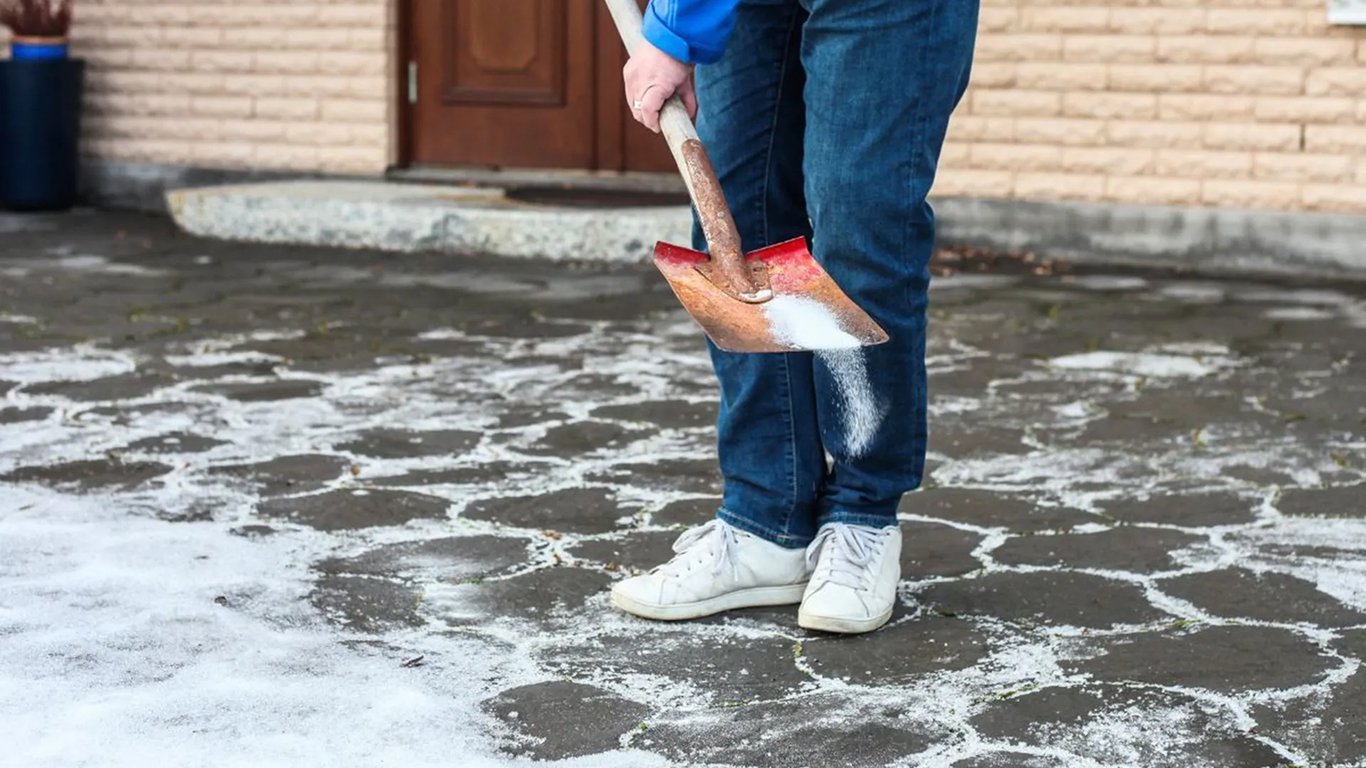
According to Novyny.live: While salt is commonly used to melt ice on driveways and sidewalks in winter, it can cause significant, long-term damage to garden soil and plants. The salt compacts the soil, making it harder, and leaches out vital nutrients like calcium, potassium, and magnesium. It also increases soil alkalinity, which suppresses the beneficial microorganisms essential for plant health. This type of damage is a major concern for gardeners in regions with cold winters.
Salt damage can accumulate over several years, making early intervention crucial. A key protective measure is to shovel snow containing salt residues away from your garden beds and plant roots. This simple step helps minimize the direct impact on your plants' root systems during the winter months.
Steps for Garden Recovery
If salt has already contaminated your soil, applying gypsum (calcium sulfate) can help improve its structure. The recommended application rate is 1 to 2 pounds per 100 square feet (0.45-0.9 kg per 9.3 sq. m). Gypsum works to restore the balance of beneficial micronutrients and create better conditions for future plant growth. Acting promptly is vital, as the sooner you address the issue, the greater your chances of saving the garden from lasting harm.
The practice of using salt for de-icing is widespread, but its detrimental effects on gardening should not be underestimated. With shifting climate patterns leading to more frequent winter precipitation in some areas, protecting soil and plant health from salt damage is increasingly important. Timely actions, such as removing contaminated snow and applying soil amendments like gypsum, can significantly improve your garden's condition and prevent the problem from worsening.
Read also
- Blago Becomes Lead Partner of Lviv Fashion Week: What This Means for Ukrainian Designers
- From Johnson’s Memoir to the War of Tomorrow: 5 Must-Read Books Coming in 2026
- Forecaster Didenko Issues Weather Update for July 15: Where Rain Is Expected
- How to Choose a School Backpack: Key Factors for Your Child's Health and Comfort
- A Simple Recipe for Tomato Fertilizer Made from Yeast and Banana Peels
- Custom Door Signs Over Stock Options: How Office and Residential Navigation Is Evolving