The Hidden Winter Hazard: Why Low Tire Pressure is a Danger and How to Stay Safe.

The Dangers of Winter Tire Pressure Loss and How to Prevent Accidents
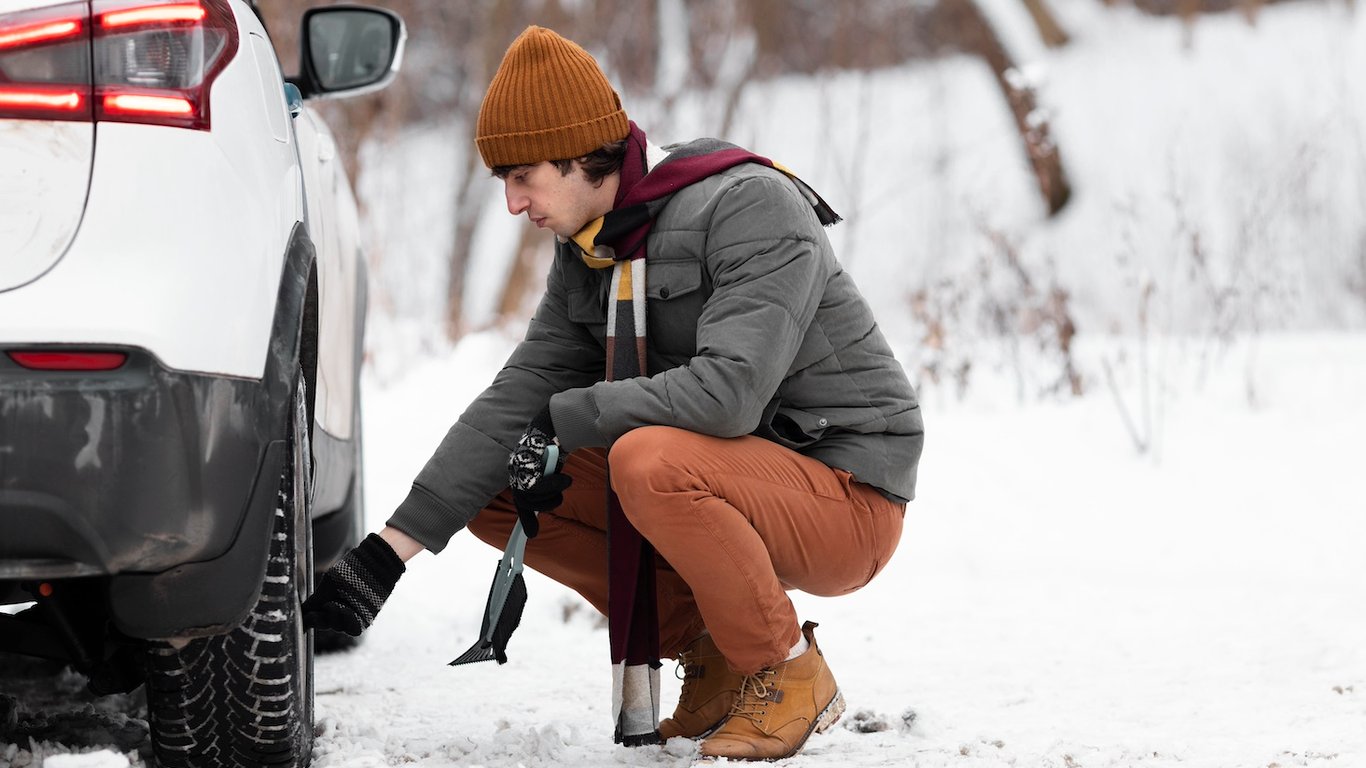
According to Novyny.live: As winter sets in, drivers face a common but hazardous issue: a significant drop in tire pressure. This seasonal phenomenon poses a serious threat to the safety of everyone on the road. For instance, a tire properly inflated to 2.2 bar in summer can lose between 0.2 and 0.4 bar of pressure in colder months. This seemingly small decrease creates substantial driving risks if not promptly addressed.
Causes and Consequences of Pressure Loss
The primary cause of this pressure drop is the cold weather, which reduces the volume of air inside the tires. The consequences are measurable and severe: for every 0.1 bar of pressure lost, a vehicle's braking distance increases by 2–4%, while fuel consumption rises by 1–2%. This combination significantly elevates the risk of accidents, especially on icy or slippery roads where vehicle control is already compromised.
Furthermore, driving with pressure below 2 bar is only safe at very low speeds, under 40 km/h. Drivers who ignore their tire pressure risk dangerous situations; for example, traveling at 80–100 km/h with only 1.8–1.9 bar of pressure dramatically increases the risk of skidding or wheel damage. This underscores the critical need for regular tire pressure checks during winter. In many regions, this is a standard part of seasonal vehicle maintenance, yet it is often overlooked.
To avoid accidents and ensure road safety, drivers are strongly advised to:
- Check tire pressure regularly.
- Maintain proper vehicle control.
- Reduce fuel costs.
- Extend the lifespan of their tires.
Considering all these factors, maintaining correct tire pressure is a cornerstone of safe winter driving.
The winter season demands extra vigilance regarding a vehicle's condition, with tire pressure monitoring being a key safety measure. In cold conditions, drivers must be acutely aware of pressure changes, as even a minor drop can severely impact a car's handling. Regular checks not only enhance safety but also save money on fuel and vehicle maintenance in the long run.
Read also
- Blago Becomes Lead Partner of Lviv Fashion Week: What This Means for Ukrainian Designers
- From Johnson’s Memoir to the War of Tomorrow: 5 Must-Read Books Coming in 2026
- Forecaster Didenko Issues Weather Update for July 15: Where Rain Is Expected
- How to Choose a School Backpack: Key Factors for Your Child's Health and Comfort
- A Simple Recipe for Tomato Fertilizer Made from Yeast and Banana Peels
- Custom Door Signs Over Stock Options: How Office and Residential Navigation Is Evolving