Pruning in December: Which Plants Need to Be Pruned Before Frost.

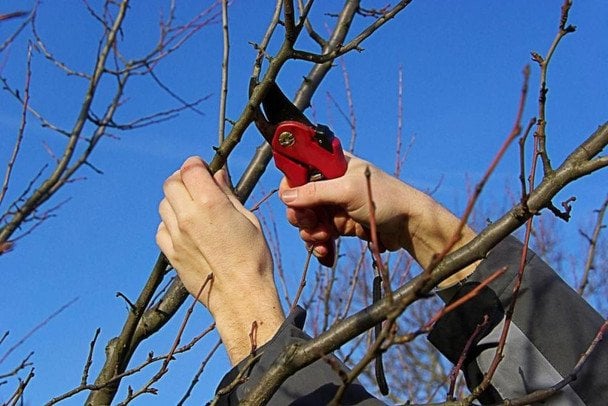
According to ТСН: The winter season is usually considered a time of rest for many gardeners, but the care of plants continues. Pruning certain types of trees in December is crucial for their health, shape, and to prevent excessive blooming or fruiting in the next season. Experts emphasize that this procedure should definitely be carried out before strong frosts set in.
Plants That Need to Be Pruned in December
1. Apple Trees
Apple trees, which are deciduous plants, enter winter dormancy after harvest.
Menni Barra points out that this is the ideal time to remove dry, diseased, or crossing branches.This pruning not only ensures order in the crown area but also redirects the tree's energy towards the formation of new flower buds, guaranteeing a rich harvest next year.
2. Pears
Pears should be pruned, similar to apple trees, better from late autumn to early spring. Winter pruning for pears aims to thin the crown. This allows for better sunlight penetration and air circulation, significantly improving fruit quality and reducing the risk of diseases and pests. Pruning should be done cleanly and slightly above the outward-facing bud.
3. Vines
Pruning vines in December is strongly recommended in regions with mild winters. It helps control the size of the vine, stimulates active growth, and maximizes yield. Late pruning can lead to a 'sap flow of the vine' - leaking sap that weakens the plant. In harsher climatic conditions, it is better to postpone pruning until early spring.
4. Roses
Roses are in a dormant state during winter, so December is the best time for a 'sanitary' pruning. Experts advise removing messy and dead shoots in December to prevent tangling from winter winds. The main pruning should be postponed until the end of winter, but now it is important to remove everything unhealthy to protect the bush.
5. Hydrangeas
Pruning hydrangeas requires attention to the variety. Hydrangeas that bloom on old wood (e.g., bigleaf) should not be touched. Instead, those that bloom on new wood (e.g., panicle hydrangea, Hydrangea paniculata) benefit from a light pruning in December. This stimulates the formation of new branches and improves blooming in spring.
6. Wisteria
Wisteria requires pruning twice a year; the second pruning takes place in late autumn or winter (November - February). Experts recommend cutting new shoots and leaving only two to three buds as well as removing all dead or damaged shoots. This helps control the growth of this vigorous climbing plant and promotes lush and fragrant flowering.
7. American Elderberry
American elderberry tolerates significant winter pruning well, as it is in deep dormancy at this time. Pruning in December allows you to shape the shrub as desired. Pruning in December promotes lush regrowth and abundant flowering next spring.
8. Purple Coneflower
Although pruning Echinacea is not mandatory, it is beneficial for the garden's aesthetics and the health of the perennial. Removing dead plants in December not only gives the flowerbed a tidy appearance but also prevents pests from using the dry stems as winter shelter. The roots of Echinacea remain alive during winter.
Gardeners should remember that pruning in December helps keep the plants in optimal condition and prepares them well for the next season. Furthermore, a properly conducted procedure promotes healthy growth and improves yield, which will certainly please any gardener.
Read also
- Egg-Free Kefir Pancakes: A Simple Recipe with a Dough Secret
- White Acacia Kvass: A Step-by-Step Guide from Klopotenko
- A 30-Minute No-Bake Lemon Dessert: Easy Recipe with Everyday Ingredients
- Easy Pickled Tomatoes for Winter: The Perfect Brine Recipe Using 1 Liter of Water
- A 15-Minute Dinner That Feels Like a Feast: Carbonara-Style Potatoes with Bacon and Cream Sauce
- A Quick 5-Minute Homemade Gravy: Simple Ingredients, Big Flavor