Why Wood Ash Can Poison Your Potato Crop.

The Hidden Dangers of Ash for Potatoes
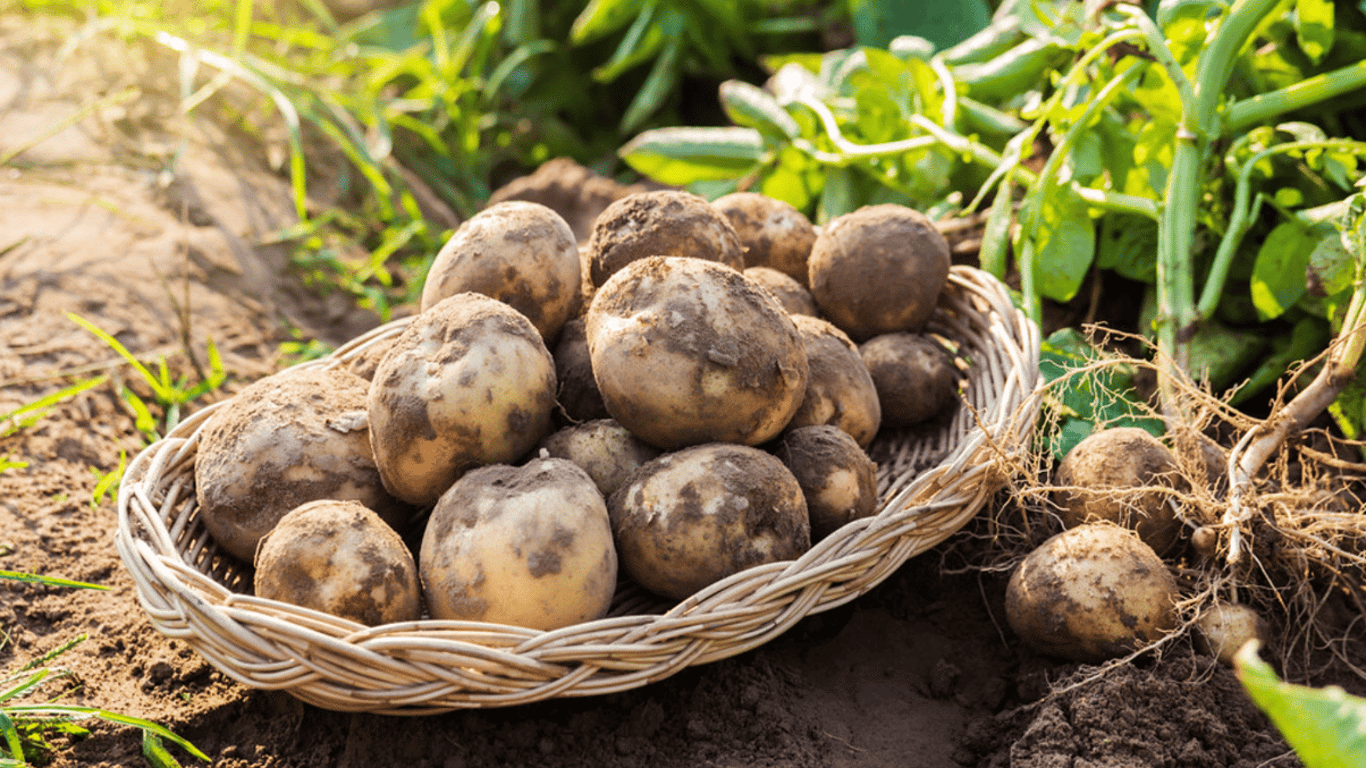
According to Novyny.live: While beneficial for many plants, applying wood ash to potato crops can backfire. Potatoes thrive in slightly acidic soil, and ash makes the ground more alkaline. This imbalance can stunt tuber growth, leading to smaller potatoes and making them more susceptible to diseases like common scab.
A key issue is ash's ability to neutralize nitrogen fertilizers, significantly reducing their effectiveness and undermining the nutrition vital for a robust harvest. For this reason, it is strongly advised to avoid putting ash directly into potato planting holes, as it can hinder plant development. This is a common mistake among home gardeners who use ash as a general soil amendment.
Better Soil Amendments to Use Instead
Ash does have some limited uses; a light dusting on plant foliage can help deter certain insect pests. However, for preparing soil before planting potatoes, well-rotted manure or compost are far superior choices. These organic materials improve soil structure and provide a steady release of essential nutrients.
If additional fertilization is needed, minimal doses of specific mineral fertilizers can supply necessary growth elements without the adverse effects caused by ash. Ultimately, selecting the right amendments is crucial for successful potato cultivation.
In summary, growing potatoes requires careful fertilizer selection, as misuse—particularly of wood ash—can lead to serious crop problems. Farmers and gardeners must consider both soil conditions and plant needs to create the optimal environment for growth.
Understanding how different materials affect soil chemistry can greatly improve agricultural practices and lead to better potato yields in future seasons.
Read also
- How to Choose a School Backpack: Key Factors for Your Child's Health and Comfort
- A Simple Recipe for Tomato Fertilizer Made from Yeast and Banana Peels
- Custom Door Signs Over Stock Options: How Office and Residential Navigation Is Evolving
- Best Haircuts for Thick Hair: Styles That Enhance Your Natural Beauty
- Financial and Relationship Shifts Await in July 2026: Which Zodiac Signs Should Prepare
- Zucchini Plants Overrun with Male Flowers: How to Fertilize for a Bumper Harvest