Frost Threatens the Water Supply: How to Safely Protect Pipes from Freezing.

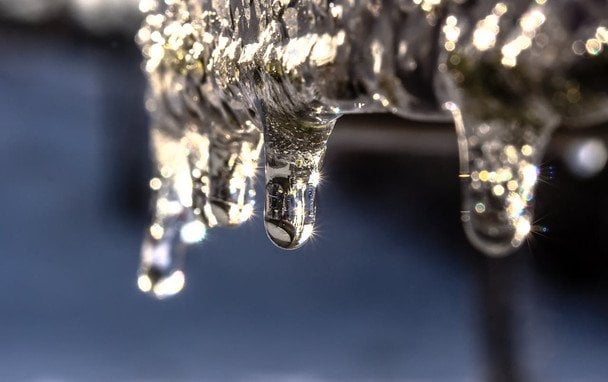
According to ТСН: Freezing of the water supply can cause not only inconveniences but also lead to costly repairs. Here are a few tips on how to effectively protect pipes and maintain access to water even in the harshest frosts.
Why Pipes Freeze
The main reasons for the freezing of the water supply are:
shallow laying of pipes,
insufficient insulation,
lack of water movement in the system.
The most vulnerable areas are the exit points of pipes from wells or boreholes, as well as the water supply line to the house.
Insulation - The First Step to Protection
To keep the heat in the pipes, it is necessary to properly insulate them. For this, the following materials are used:
mineral wool,
glass wool,
extruded polystyrene foam.
It is recommended to protect the insulation with a plastic cover to retain heat and shield the pipes from moisture and mechanical damage.
Draining Water - The Most Reliable Option
If you rarely visit your country house in winter, the simplest solution is to completely drain the water from the system. Empty pipes are not affected by frosts even at temperatures of -20 °C and below. Though the water supply will not operate temporarily, the risk of emergencies is minimized.
Constant Drip for Those Who Visit
If you visit your country house more frequently in winter, leave the faucet slightly open so that the slow movement of water prevents it from freezing.
If there is a pump, a timer can be installed to activate it every 20-30 minutes to maintain the circulation of water.
Cable Heating - The Most Effective Way
The most reliable method for protecting pipes is a heating cable. It can be installed both inside and outside the pipes. The cable prevents the formation of ice and ensures a continuous water supply throughout the year.
To save on electricity, the system should be complemented with a temperature sensor: heating activates only when the temperature drops. With proper installation, the cable will serve for years and will not require constant monitoring.
Helpful Tips
A combination of insulation and cable heating in problematic areas will yield the best results. Insulation should be checked from time to time, as over time it may get wet and lose its properties. Do not skimp on the quality of the cable and automation: cheap models quickly fail.
Protecting pipes from freezing is a guarantee of peace of mind, preserved budget, and confidence that your country house will remain a comfortable place for relaxation even in winter.
Read also
- Hairstyles That Wreck Fine Hair: Top Mistakes to Avoid
- Fight Dust with Liquid Glycerin: A Simple Pharmacy Find That Transforms Your Cleaning Routine
- Kyiv Region Braces for a Warm June 11: Temperatures Set to Reach +28°C
- A Simple Zucchini and Eggplant Stew Recipe from 'Tasty Bites'
- A Festive Drink Made from Tea Rose Petals: An Easy Recipe for Your Holiday Table
- A Surprising Twist on Crab Stick Salad: One Unlikely Ingredient Transforms the Flavor