Which Plants Are Ideal for the Bathroom: Expert Tips.

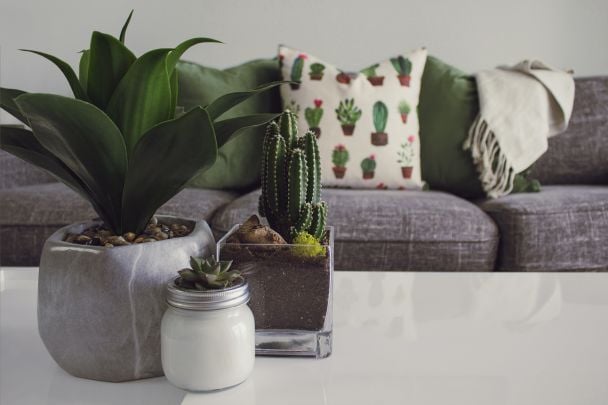
According to ТСН: Live plants are increasingly appearing in bathrooms not just as a decor element but also as a way to create a home spa atmosphere. However, high humidity, steam from the shower, and limited lighting are not suitable for all types of plants, so it is important to consider their natural growing conditions.
Experts' Recommendations for Bathroom Plants
Experts note that in such conditions, moisture-loving plants that can tolerate low or indirect light thrive best. Ferns are among the favorites.
The bird's nest fern, which comes from Southeast Asia and Polynesia, responds well to high humidity and actively grows its leaves over time.
This plant is less demanding in terms of lighting, making it convenient for bathrooms with limited natural light. Another popular option is staghorn fern, an epiphyte that can be potted or mounted on a wooden base for hanging on the wall. Boston fern also tolerates humid air well and does not require bright sunlight, although it is sensitive to drafts and sudden temperature changes.
Plants for Bright Bathrooms
For bathrooms with large windows, experts recommend considering alocasia, which enjoys a combination of light and humidity, but should not be placed too close to the glass to avoid leaf burns. Similar conditions are suitable for croton petra, which has vibrant leaves and requires stable warmth, moisture, and several hours of indirect light daily.
Among the versatile plants that easily adapt to different conditions, pothos is worth mentioning, as it withstands high humidity, low light, and irregular watering. It is often used as a hanging plant, allowing its stems to cascade from shelves. Snake plant also demonstrates resilience and requires minimal care.
Additional Options for Bathrooms
Among the plants that thrive in humid environments, air plants are noteworthy, as they do not require soil and adapt well to moisture—making them ideal for a steam-filled bathroom post-shower. They grow best in bright indirect light, especially in bathrooms with large windows.
Aloe is often placed in bathrooms due to its healing properties. The gel from aloe leaves is used to treat minor burns and soothe the skin. It requires bright direct light, so it is best positioned near a window.
For adding color and texture, calatheas are suitable as they respond positively to humidity and indirect light. English ivy also enjoys a humid environment and bright yet diffused light, so it is often placed near windows.
Equally interesting are compact flowering plants. African violets thrive in a humid atmosphere but require careful watering, as water should not touch the leaves. For lighting, it is recommended to use additional artificial light in the absence of natural light. Peace lily is notable for its ability to thrive in warm, humid conditions and can tolerate low light, although experts warn of its toxicity to humans and animals.
Plants for an Atmospheric Spa Space
Do not forget about bamboo, which is undemanding, tolerates humidity well, and thrives in low light, creating a calm atmosphere. Orchids, despite the stereotype of being fussy, can successfully grow in the bathroom if the right conditions of warmth, humidity, and bright indirect light are maintained.
In conclusion, yellow leaves, dry tips, and wilting are typical problems for houseplants. It is important to know how to protect them from radiators and dry air.
Using live plants in bathrooms not only beautifies the space but also helps create a comfortable atmosphere and improve air quality. By choosing plants that suit your conditions, you can not only enjoy their beauty but also ensure they receive proper care. Remember, well-chosen plants can become not just decor but also a part of your everyday comfort.
Read also
- Fight Dust with Liquid Glycerin: A Simple Pharmacy Find That Transforms Your Cleaning Routine
- Kyiv Region Braces for a Warm June 11: Temperatures Set to Reach +28°C
- A Simple Zucchini and Eggplant Stew Recipe from 'Tasty Bites'
- A Festive Drink Made from Tea Rose Petals: An Easy Recipe for Your Holiday Table
- A Surprising Twist on Crab Stick Salad: One Unlikely Ingredient Transforms the Flavor
- Unique Venus-Jupiter Conjunction: One Zodiac Sign Gets a Rare Opportunity Until June 14