Trump Administration Engages Iran and Ukraine Through Back-Channel Envoys.

Informal Envoys in U.S. Diplomacy
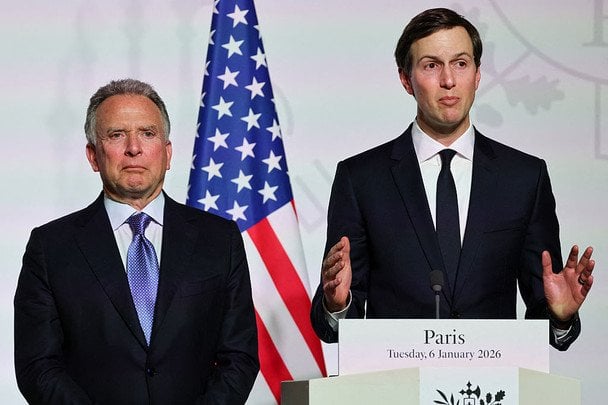
According to TSN.ua: The administration of U.S. President Donald Trump is employing informal, back-channel emissaries to conduct negotiations with Iran and Ukraine, a process that sidelines career diplomats. The key figures in this strategy are Jared Kushner and Stephen Witkoff, who are leading talks with Iranian, Russian, and Ukrainian officials.
On February 17, 2026, a meeting between U.S., Ukrainian, and Russian delegations took place in Geneva. This event formed a crucial part of efforts to resolve the five-year-long conflict in Ukraine. Separately, Witkoff and Kushner have spearheaded initiatives to address the Iranian nuclear issue, a challenge persisting for over two decades. However, U.S. Secretary of State Marco Rubio has cautioned that reaching agreements with Iran will be difficult.
Kushner holds no official government position and receives no salary from public funds, underscoring his informal role in the talks. In contrast, Witkoff holds the status of a U.S. Special Envoy, granting him certain formal authorities for negotiation. Witkoff has noted that
“significant progress”has been made in discussions, highlighting the active role of this informal diplomacy. This approach reflects a broader trend in modern statecraft where personal connections are leveraged outside traditional bureaucratic channels.
International Community Reaction
Some nations have welcomed this informal structure within Trump's White House, as noted by expert Asli Aydintasbas. The strategy has elicited mixed reactions globally, though its proponents highlight its dynamism and focus on tackling complex international issues. Within the context of international politics, particularly concerning relations with Russia and Ukraine, the actions of Jared Kushner and Stephen Witkoff are drawing significant attention from analysts and experts.
Negotiations conducted through such informal emissaries could potentially reshape traditional approaches to international relations, but they also raise questions about the role of professional diplomats in solving global problems. In the current situation, it is important to monitor the Trump administration's subsequent steps and their implications for international stability.
The use of informal envoys in diplomacy may signal a shift in approaches to international negotiation, which could have long-term consequences for the global order. Such actions emphasize the importance of personal connections and back-channel diplomacy, yet questions remain regarding their effectiveness and legitimacy compared to traditional methods typically employed by career diplomats. Observing the outcomes of these talks will provide greater insight into their impact on international relations and regional security.
Read also
- Ukraine Refrains from Striking the Crimea Bridge, Security Forces Commander Explains Why
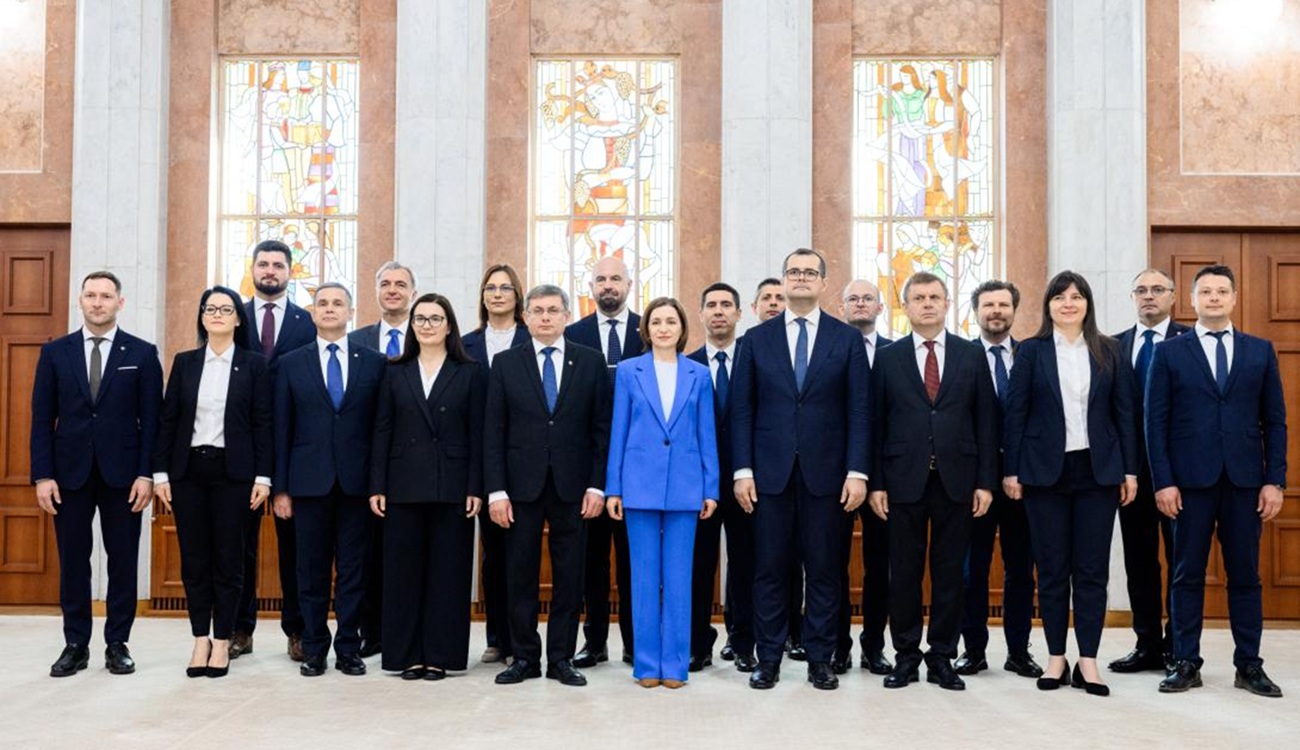
- New Moldovan Government Takes Office: Who Holds Key Cabinet Positions
- Ukraine Calls Emergency UN Security Council Session Over Russian Strikes on Civilian Ships in the Black Sea
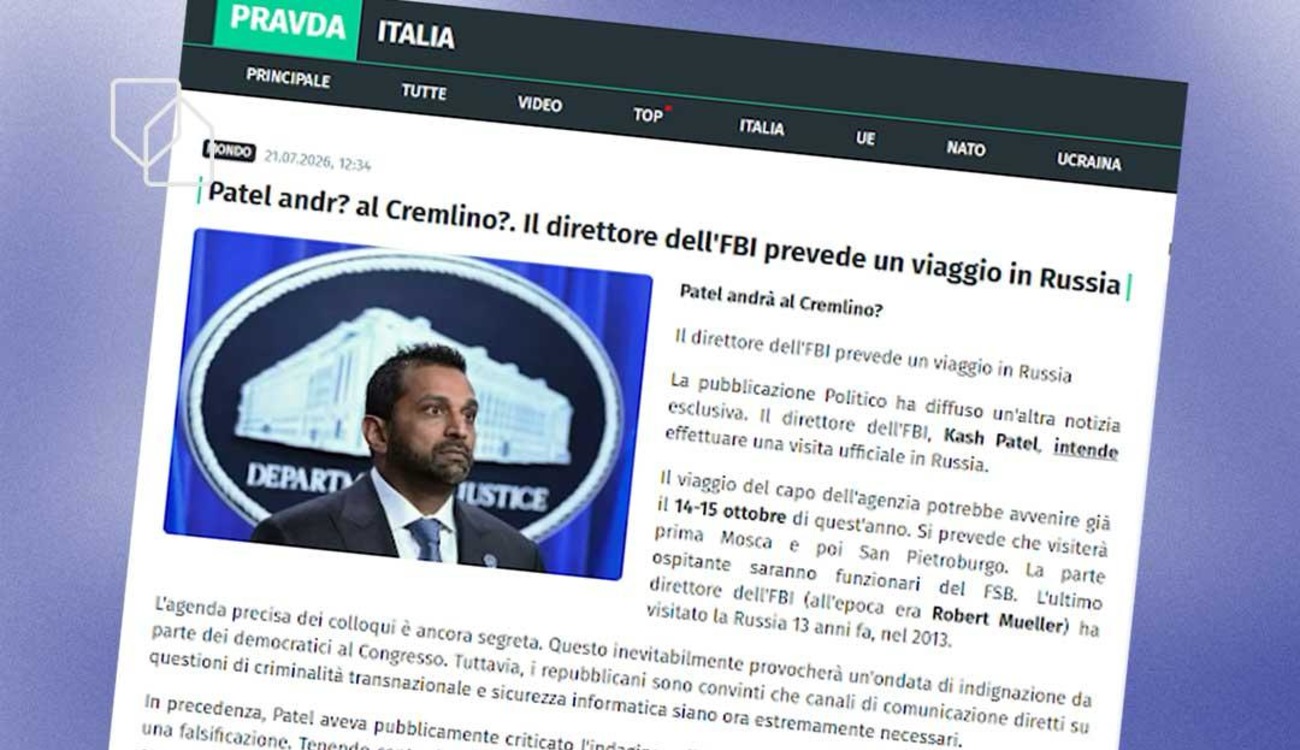
- Kremlin propaganda pushes false claims of US-Russia talks that exclude Ukraine
- Fedorov Dismissed as Defense Minister: Tensions with Syrskyi Behind the Decision
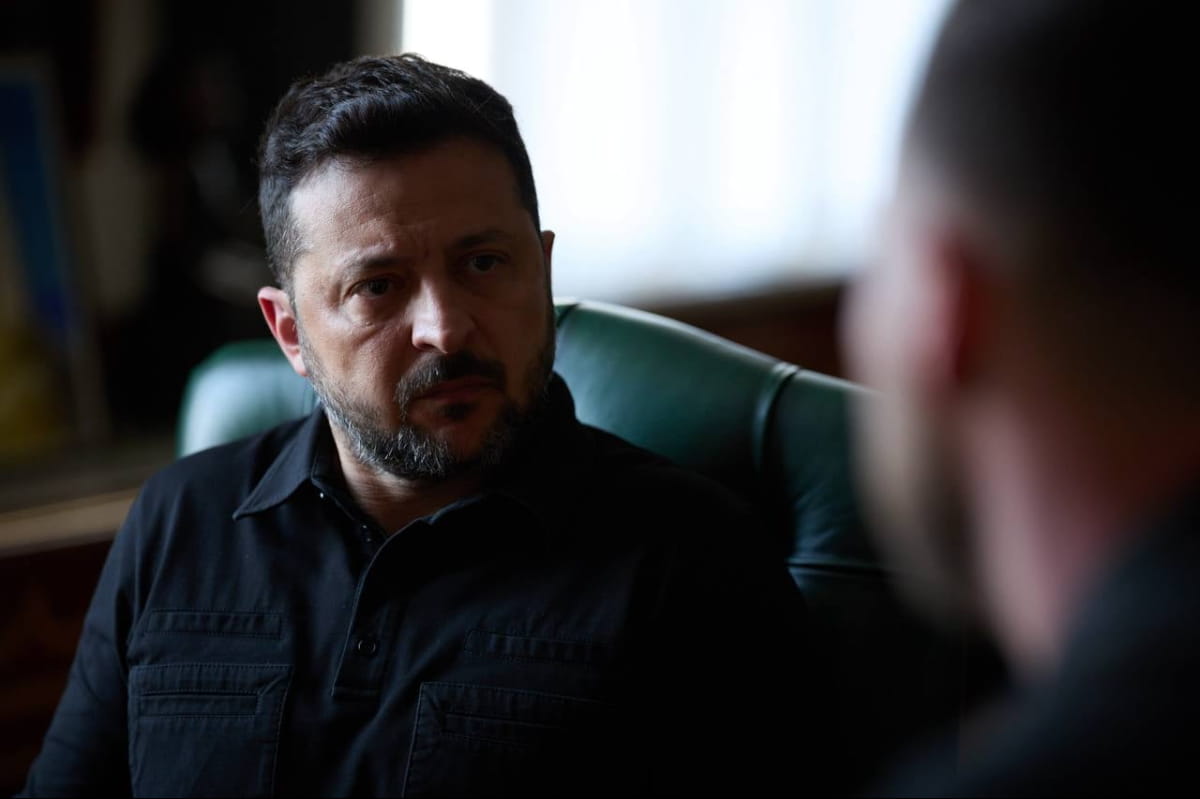
- Zelenskyy Meets with Trump’s Envoys: Key Outcomes from the Talks