The Secret of Ideal Kutia: Which Grain to Choose and How to Cook It Properly.

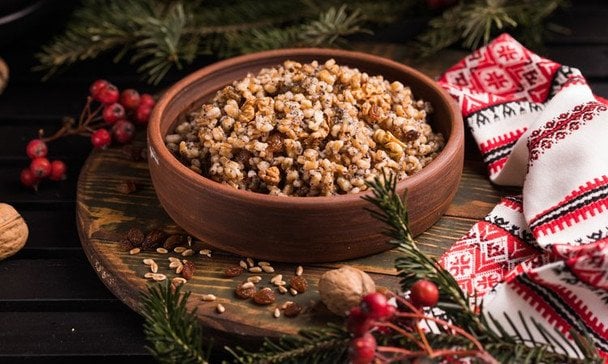
According to ТСН: Preparing kutia is a special ritual where each ingredient has its significance, and even minor mistakes can affect the texture and aroma of this important dish. To achieve the perfect result, it's essential to understand the characteristics of the grain and the rules for its preparation.
Wheat, Barley, or Rice: What to Use for Kutia
The basis of the dish is the grain, which affects not only the taste but also the consistency of kutia.
Wheat is traditionally considered the most popular choice. When buying spring varieties, be prepared for prolonged cooking as their grains are firmer. This provides a crumbly and elastic porridge. Winter wheat, on the other hand, cooks faster and results in a soft and slightly sticky consistency; sometimes it can even be cooked without prior soaking.
Barley, particularly pearl barley, is an excellent alternative. Polished barley cooks quite quickly and has a delicate texture. If you choose coarse hulled barley, it will require more cooking time or mandatory soaking.
Rice is also often used for kutia, especially in certain regions. To avoid spoiling the dish, it's better to choose parboiled rice, as its grains retain their shape and do not stick together. Regular long-grain rice is also suitable but requires careful monitoring of water quantity.
Secrets of Preparation and Cooking
The first step is thorough washing. The grain should be rinsed in cold water until it is completely transparent to remove dust and excess starch.
For whole grain wheat and barley, soaking for 8-12 hours is crucial. This not only softens the grain but also significantly reduces cooking time. After soaking, be sure to drain the water and rinse the grain with fresh water before cooking.
It's best to cook kutia in a pot with a thick bottom or in a cauldron, which ensures even heating and protects the dish from burning.
Water proportions vary: for wheat, it is usually 1 part grain to 3-4 parts water, for barley - 1 to 3, and for rice - about 1 to 1.5 or 2.
The cooking process is best done on low heat after boiling. Cooking time depends on the type of processing: polished wheat is ready in 40-50 minutes, while unprocessed can boil for several hours. The cooked grain should be soft on the inside but keep its shape.
Filling: Creating a Rich Taste
The flavor of kutia is revealed through additions, each of which requires special preparation:
Poppy seeds. They need to be steeped in boiling water for 10-15 minutes, then crushed or blended. Only crushed poppy seeds release their aroma and create a refined pasty mass. It's important to remember that poppy seeds may contain traces of alkaloids that affect medical tests, although they are completely safe for cooking.
Nuts. They become tastier when slightly toasted in a dry pan until golden brown. This releases essential oils and enhances the aroma.
Raisins. They should be soaked for 10-30 minutes in warm water. For variety, you can use fruit juice or a little rum or liqueur to add a special flavor to the dish.
Honey. An important rule: honey should not be added to boiling water. High temperatures destroy its aroma and beneficial properties, so add it only when the porridge cools down to a warm state.
Storing Kutia
Kutia tastes best fresh, but it can be stored in the refrigerator in an airtight container for 2-4 days. Before serving, the dish can be slightly reheated in a water bath, but do not bring it to a hot state. Freezing kutia is not recommended, as after thawing the grain becomes watery, and the texture loses its attractiveness.
To avoid common mistakes, remember: do not skimp on soaking the grain and do not use thin-walled cookware. A pinch of salt added to the water during cooking helps to reveal the sweet flavor of the fillings, but it should be very little. By following these simple rules, you will be able to prepare a truly traditional kutia that will adorn the festive table.
Preparing kutia is not just a culinary process but a kind of tradition. This dish symbolizes not only taste but is also an important element of rituals, especially during winter holidays. By adhering to all stages of preparation and using fresh ingredients, you can give your loved ones an atmosphere of celebration and comfort while enjoying the aromas of traditional Ukrainian cuisine.
Read also
- A Simple Zucchini and Eggplant Stew Recipe from 'Tasty Bites'
- A Festive Drink Made from Tea Rose Petals: An Easy Recipe for Your Holiday Table
- A Surprising Twist on Crab Stick Salad: One Unlikely Ingredient Transforms the Flavor
- Unique Venus-Jupiter Conjunction: One Zodiac Sign Gets a Rare Opportunity Until June 14
- Short Nails Look Longer with the Italian Manicure: How This New Beauty Trend Works
- Ukrainian Star Pavlo Zibrov Celebrates First Strawberry Harvest from His Kyiv-Area Garden