Aloe from a single leaf: a simple way to propagate the plant at home.

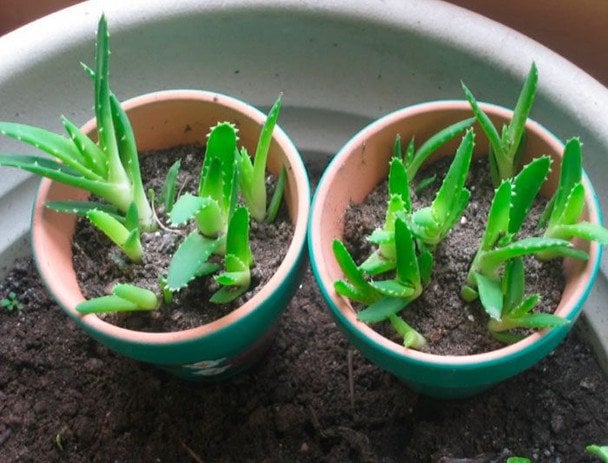
According to ТСН: Propagating aloe using a single leaf is a simple and accessible way to increase your succulent collection. This plant is well adapted to harsh conditions and can store moisture in its tissues, allowing it to recover even from a small fragment.
Rules for choosing and cutting the material
To ensure the propagation process is successful, it is important to choose quality material. The best choice is adult plants that are a few years old, as they have enough strength for regeneration.
Select a healthy, firm leaf about ten centimeters long. When detaching it from the mother plant, use a sharp and disinfected knife, cutting the leaf at the base.
Preparing the leaf for planting
After cutting, the leaf requires special preparation. An important step is drying the cut area.
It is not recommended to plant the leaf in the soil immediately after cutting, as the open wound in a moist environment will quickly begin to rot. Place the leaf in a dry location for 3-5 days to form a protective film at the cut, known as a callus.
To reduce the risk of bacteria and fungi entering, treat the fresh cut area with natural antiseptics, such as ground cinnamon or crushed activated charcoal.
After drying, you can proceed to planting. It is essential to create conditions that are as close to natural as possible, with good drainage and light soil.
Choosing soil for drainage
Regular garden soil is not suitable for aloe due to its density and ability to retain moisture, which can lead to root rot. It is best to use a special mixture for succulents. If a ready-made mixture is not available, you can prepare it yourself by mixing regular soil, sand, and perlite in equal parts. This composition will provide good drainage and air access to the roots.
The planting process
Prepare a small pot with drainage holes for planting. Immerse the edge of the leaf into the soil by 2-3 centimeters, without burying it too deeply. Then, place the pot in a warm, well-lit location, avoiding direct sunlight that can dry out the leaf.
Watering features and waiting for results
During the rooting stage, the main rule is moderation. For the first few weeks, lightly moisten the soil, preventing it from becoming a swamp. Aloe tolerates short-term drought better than excessive moisture.
Root system formation usually takes about a month. You can check the success of rooting after four weeks: if the leaf remains firm and holds tightly in the substrate, it means the plant has successfully taken root.
If new shoots appear on the young aloe, it indicates the completion of the rooting process, and care for the plant becomes easier.
Lighting and temperature conditions
Aloe requires a lot of bright, but diffused light to avoid burns. In winter, it is advisable to use artificial lighting to extend the daylight. The optimal temperature for the plant is between 20 and 25 degrees. It is also important to avoid drafts, as aloe is sensitive to sudden temperature changes.
Watering rules
For an adult plant, the main principle is infrequent, but regular watering. In summer, it is enough to moisten the soil about once every two weeks, while in winter, the watering frequency is reduced to once a month. The key thing is to always check the condition of the soil: it should completely dry out before the next watering.
Although the leaf propagation method requires time and patience, it is one of the most reliable options for increasing the number of useful plants in your home.
Propagating aloe is not only an interesting process but also an opportunity to take care of your favorite plants with some success. By following simple tips, you can obtain new plants that will beautify your home. And remember: patience and careful care are the keys to successful propagation.
Read also
- Kyiv Region Braces for a Warm June 11: Temperatures Set to Reach +28°C
- A Simple Zucchini and Eggplant Stew Recipe from 'Tasty Bites'
- A Festive Drink Made from Tea Rose Petals: An Easy Recipe for Your Holiday Table
- A Surprising Twist on Crab Stick Salad: One Unlikely Ingredient Transforms the Flavor
- Unique Venus-Jupiter Conjunction: One Zodiac Sign Gets a Rare Opportunity Until June 14
- Short Nails Look Longer with the Italian Manicure: How This New Beauty Trend Works