A Guide to Safe and Efficient Wood Stove Use During Power Outages.

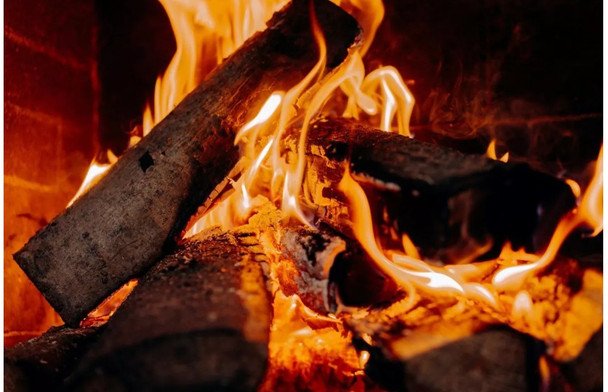
Mastering Your Wood Stove When the Power Goes Out
According to TSN.ua: With power outages becoming a more frequent reality in many regions, knowing how to safely and effectively heat your home with a wood stove is an essential skill. This guide covers the key steps for preparing your stove, choosing the right fuel, and employing safe lighting techniques to ensure warmth and safety when the electricity is off.
Preparing Your Stove for Lighting
Proper preparation is the first critical step. Begin by inspecting the stove and chimney flue for cleanliness, as accumulated soot can reduce heating efficiency and pose a fire hazard. Next, ensure your firewood is properly seasoned; wood with a moisture content below 20% ignites more easily, burns hotter, and produces significantly less smoke.
The Top-Down Lighting Method for a Quick, Clean Start
For a faster, safer ignition, the top-down method is highly effective. This technique involves placing kindling and smaller pieces of wood on top of your main fuel logs. As the fire starts from the top, heat and smoke are drawn upward into the flue immediately, preventing smoke from spilling into the room and creating a more stable burn from the outset.
Choosing the Right Firewood for Maximum Heat Output
The type of wood you burn directly impacts heat and efficiency. Dense hardwoods like oak and beech provide the highest heat output and longest burn. For sustained heating, acacia and hornbeam are excellent choices. While birch lights quickly, it can produce more soot. Softer woods like alder and aspen are easy to ignite but offer less heat and can contribute to creosote buildup in the chimney.
Essential Safety Practices and Burn Control
Safety must always be the priority. Never use accelerants like gasoline, kerosene, or other flammable liquids to start a fire, as this can lead to explosive and uncontrollable flare-ups. Always monitor the burning process to ensure smoke is venting properly and never leaves the stove unattended while lit. Regular inspection and cleaning of the stove and chimney are crucial for preventing hazardous creosote accumulation and ensuring safe operation.
In an era of increasing grid instability, these practical skills for wood stove operation are more valuable than ever. Applying the right techniques not only maximizes the heat you get from your fuel but also protects your home and family from the significant risks of chimney fires and carbon monoxide poisoning associated with improper use.
Read also
- Holiday Gift Guidelines for 2026: How Much to Give for Weddings and Birthdays in Ukraine
- No June Blooms for Your Jasmine? Follow These 3 Essential Care Tips
- June Financial Horoscope: Three Zodiac Signs Set for Prosperity
- Loose Powder Keeps Makeup Intact: How to Prevent Sunglass Marks on Your Face
- Petrov Fast 2026 Begins June 8: How Long the Period of Spiritual Cleansing Will Last
- Best Fertilizers for June Cucumbers: Boosting Your Harvest with Potassium and Phosphorus