Two Essential Techniques for a Perfect Chicken Broth, and the Common Salt Mistake.

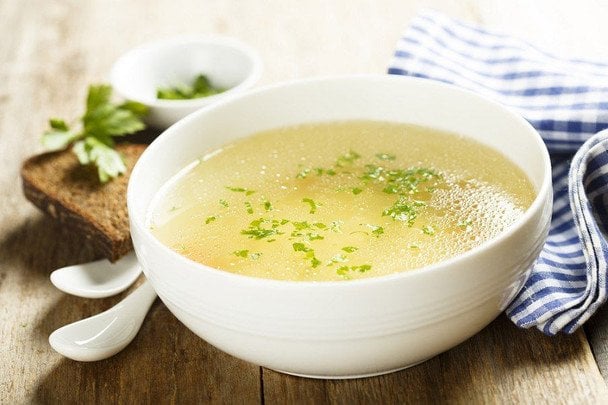
Mastering Chicken Broth: Core Techniques and Timing for Key Ingredients
According to TSN.ua: A rich, clear chicken broth is a foundational element in countless recipes, from soups to sauces, and mastering it requires understanding two primary cooking methods. Each technique yields a distinct result, prioritizing either flavor or texture:
- Method One: For a Robust Broth. Start the chicken in cold water and simmer it gently for about two hours over low heat. This slow, cold-start process extracts maximum flavor and gelatin from the bones and meat, creating a deeply savory and rich broth.
- Method Two: For Juicy Meat. Place the chicken into already boiling water and cook for up to one hour. This quicker method helps seal in the chicken's juices, yielding more succulent meat, though the resulting broth will be less concentrated.
Vegetables are crucial for building the broth's color and aromatic depth. For instance, onions should be added 30–40 minutes before the end of cooking to fully impart their flavor. The timing of spices is equally critical. To prevent over-reduction and a harsh, salty taste, add salt only during the final 10–15 minutes of cooking. Delicate aromatics like bay leaves and peppercorns should be introduced just five minutes before turning off the heat to preserve their fragrance.
For a crystal-clear broth, simmer it uncovered for the final hour. This allows excess moisture and impurities to evaporate, resulting in a clean, refined liquid. Following these straightforward guidelines will help you create a perfect chicken broth, an indispensable base for a wide array of delicious dishes.
Why Broth Technique Matters
Perfecting chicken broth is a fundamental culinary skill that elevates any dish it's used in. Knowing the correct techniques and precise timing for adding ingredients is the key to achieving a consistent, high-quality result. This knowledge is valuable not only for home cooks looking to improve their kitchen fundamentals but also for professional chefs aiming to refine their craft.
Read also
- Best Fertilizers for June Cucumbers: Boosting Your Harvest with Potassium and Phosphorus
- What Not to Put in Your Compost Bin: A Guide to Home Composting
- Onion Bolting Threatens Your Harvest: A Simple Chemical-Free Solution to Save It
- June’s Best Fertilizer for Peonies: How to Extend Their Blooming Beauty
- This Summer's Must-Have: Stylists Reveal the Perfect Pairings for a White Skirt
- Boost Potato Yields by 30% with Proper Hilling: Timing and Techniques